
 Tiếng Việt
 한국어
한국어 日本語
日本語Article· Updated August 30, 2026
How to Store Furniture Safely: A Simple Guide for Homeowners
Beautiful furniture can quickly lose its value without proper care. Many people only realize this when wooden pieces become scratched, moldy, or damaged by termites. Choosing a professional storage service or locker helps you avoid these risks while preserving your furniture’s beauty and lifespan.
Many homeowners struggle to store bulky furniture in limited spaces. A professionally managed furniture storage facility is an ideal solution. The storage area should be kept clean and dry, with 24/7 security, surveillance cameras, and comprehensive fire protection equipment to ensure maximum safety.
More importantly, furniture storage services do more than provide extra space: they protect your investment from humidity, destructive pests, and physical damage. When choosing a storage facility or locker, consider factors such as protective packing materials, safe organization, and proper furniture preparation techniques. These steps will keep your furniture in excellent condition and ready whenever you need it again.
When Do You Need a Furniture Storage Service?
Modern lifestyles are driving growing demand for storage services and furniture storage. Statistics show that up to 26% of customers rent storage when moving home and around 17% do so while renovating or repairing their homes. Common situations include:
1. Moving Home
Furniture storage provides temporary space while you transition between properties. Instead of rushing to move everything in one day, you can work at your own pace. Storage is also a safe solution when moving schedules are delayed — a situation experienced by nearly 1/3 of storage customers.
2. Renovating Your Living Space
During renovations, furniture can easily be damaged by dust, moisture, or impacts. Climate-controlled furniture storage keeps it safe. Around 20% of individual customers rent storage during renovations to create more room for the work.
3. Extended Business Trips or Travel
Many expatriates and long-term business travelers choose furniture storage instead of selling their belongings or asking friends to keep them. In fact, up to 12% of storage customers are expatriates in major cities such as Hồ Chí Minh City and Hà Nội.
With its flexibility and reasonable cost, furniture storage is increasingly becoming a “trusted keeper” for thousands of families and individuals.
Steps for Storing Household Furniture
1. Choose the Right Storage Space
The search for the perfect place to store furniture begins with understanding what makes an excellent storage space. The right environment is essential for keeping your belongings in great condition, whether you store them for a few weeks or several years.
Keep the Area Clean and Dry
A clean space provides the best foundation for storing your belongings. Before moving anything in, check your furniture storage area for dirt and debris. Facilities that appear well maintained generally manage humidity and upkeep more effectively.
Laying thick plastic sheeting on the floor is an excellent first step. It creates a barrier that prevents moisture from reaching your valuable belongings. Wooden pallets also raise furniture legs off the floor. Many warehouses give away used pallets or sell them cheaply.
Your furniture needs stable conditions to retain its shape. The ideal humidity is 40-60%, while temperatures should remain at 10-15°C in regions with climates similar to the United Kingdom. These conditions prevent excessive movement in the wood that could cause warping or cracking.

Avoid Direct Sunlight and Humidity
Humidity is the greatest threat to stored furniture. Damp conditions allow mold to grow rapidly in dark spaces. This can lead to:
- Warped and discolored wood
- Rusting metal components
- Moldy and damaged fabric
- Decaying paper items
Climate-controlled self-storage facilities offer the best protection for valuable belongings. They maintain stable temperatures and humidity throughout the year. If climate-controlled storage is unavailable, units on upper floors and away from exterior walls are preferable. They tend to be drier and maintain more stable temperatures.
A portable dehumidifier is a sensible choice for larger spaces or damp areas. These machines remove excess moisture from the air and create a safer environment for your furniture.
Ensure Proper Ventilation and Lighting
Good airflow helps prevent moisture buildup. Avoid airtight plastic coverings because they trap humidity. Use furniture blankets or fabric covers instead – they keep out dust while allowing air to circulate.
A well-lit space does more than improve visibility. Good lighting reduces accident risks and deters crime. It also helps security cameras work more effectively. Most facilities now combine bright lighting with CCTV and access control for greater security.
Check all lights during your first visit. Working lights in corridors and near storage-unit doors allow you to spot problems early during inspections.

Inspect Regularly for Pests and Mold
Inspect your storage space every few months. Look for signs of moisture, pests, or damage. Acting quickly prevents minor issues from becoming major problems.
Watch for:
- Cracks or leaks in walls and ceilings
- Evidence of pests, such as rodent droppings or cockroaches
- A musty smell indicating mold
- Damp spots around entrances
Pest control begins with clean furniture. Even small food crumbs attract insects and rodents. A good pest-control service with regular inspections will help protect your valuable belongings.
Choose the right storage location and look after it. Your furniture will remain protected and ready whenever you need it.
2. Prepare Furniture Before Storage
The condition of your furniture in storage depends on how thoroughly you prepare it beforehand. Proper preparation is just as important as choosing the right storage location.
Clean and Dry Every Surface
Thorough cleaning is essential before placing anything in furniture storage. Even items that look clean may conceal dirt, food crumbs, or moisture that could attract pests and encourage mold growth.
Wooden furniture should be cleaned with mild soap and water to avoid damaging the finish. Applying polish afterward helps prevent the wood from drying out during long-term storage.
Metal items require extra care. Use an appropriate metal cleaner and polishing cloth to remove rust. Steel wool is highly effective on stubborn rust and helps prevent further oxidation during storage.
For upholstered items:
- Vacuum everything thoroughly, including gaps and beneath cushions
- Choose an upholstery cleaner suitable for your fabric
- Allow everything to dry completely so mold cannot develop
Leather furniture needs both vacuuming and special treatment with leather cleaner and conditioner to preserve its softness. Whatever the material, ensure everything is completely dry before storage to prevent damage.
Disassemble Large Items Where Possible
Disassembling furniture makes storage easier. Smaller parts are easier to move, less likely to be damaged in transit, and fit more efficiently into your storage space.
Prepare these tools before you begin:
- Screwdrivers (both flathead and Phillips)
- Allen keys in various sizes
- Small combination and socket wrenches
- Pliers and needle-nose pliers
- A rubber mallet or regular hammer
Treat each piece of furniture as a separate project. Start with simple items to become familiar with the process. Remove cushions, take out drawers, and detach any removable components first. For beds, remove the mattress and bedding, then detach the headboard and footboard from the frame.

Label and Photograph Parts for Reassembly
Photos and labels are the best way to remember how everything fits together. Taking pictures before and during disassembly will prevent confusion later.
Photograph items from different angles before taking anything apart. Focus on hardware connections, how fittings are installed, and how components fit together. These photos will be invaluable months or years later, when you may have forgotten the details.
A simple room-by-room checklist helps track every item you disassemble. This ensures you do not overlook any parts that could be misplaced.
Store Screws and Bolts in Labeled Bags
Small hardware can cause major headaches during reassembly if it is not stored properly. Zip bags are an excellent way to keep screws, bolts, washers, and other fasteners organized as you disassemble furniture.
Each bag should clearly state:
- The name of the furniture item
- Which part it belongs to (for example: “Dining table leg”)
- Where it goes (for example: “Top-left drawer”)
Tape these bags to the corresponding furniture components or place them in a drawer so they remain with the correct item.
Original assembly manuals are invaluable – keep them with your disassembled furniture. Together with photos and labeled parts, they make reassembly much easier.
3. Wrap and Protect Every Item
Proper wrapping techniques provide your furniture’s first line of defense against damage in storage. After cleaning and disassembling your items, create protective barriers to shield them from dust, moisture, and physical damage.
Use PE Film, Bubble Wrap, and Cardboard
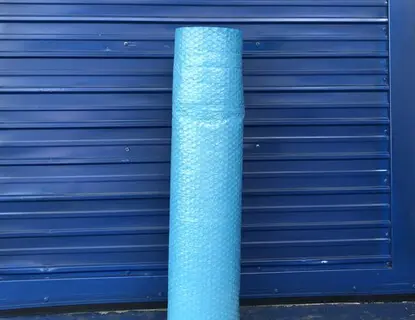
The right packing material depends on the type of furniture. High-quality plastic wrap creates a tight protective seal and is well suited to smooth-surfaced items such as tables and cabinets. Bubble wrap is ideal for fragile items such as glass tabletops and mirrors because it cushions impacts.
Wooden and leather furniture requires special care. Never apply plastic film directly because it can cause shrinkage and material damage. First wrap these items in old blankets or cotton sheets, then add the protective plastic layer. Use breathable plastic covers for upholstered items to prevent odors from building up without trapping moisture.
Cardboard adds a rigid protective layer to flat surfaces and can be cut to fit tabletops or cabinet sides. Use blankets or furniture pads for large items and packing paper for smaller components.
Cover Fragile Corners and Edges
Furniture corners are especially vulnerable during storage and transport. These areas need several additional layers of protection. Sharp edges and protruding parts should be wrapped with extra layers of bubble wrap for complete coverage.
Packing tape keeps protective materials from coming loose during storage. Never apply tape directly to furniture surfaces – it may damage the finish when removed. Tape should only be applied around the protective material.
Apply Rust-Preventive Oil to Metal Parts
Metal furniture components need special protection against oxidation. Storage environments often experience humidity changes that can cause rust on filing cabinets, metal shelves, and outdoor furniture sets.
Apply a thin coat of rust-preventive oil to exposed metal surfaces before wrapping. Then cover these items with plastic film and surround them with soft material. Surprisingly, old sweatpants make excellent protective covers.
Tape an X Across Glass Surfaces
Glass furniture requires extra care to prevent breakage. Begin by applying a large “X” of packing tape across glass surfaces to minimize shattering if an accident occurs. Next, wrap the glass components in bubble wrap and secure them with tape.
For maximum protection, place wrapped glass in foam boxes before transferring it to similarly sized, double-wall corrugated storage boxes. Store flat glass panels upright on their edges rather than laying them flat for better structural support.
Wrapping should be secure but not excessively tight. Plastic wrapped too tightly can trap condensation and damage furniture. Gentle wrapping allows items to “breathe” while remaining protected at your furniture storage facility.
4. Stack and Organize Items Safely
How you arrange items in furniture storage affects both your use of space and the condition of your belongings. Once everything has been properly cleaned and wrapped, focus on a smart layout and organization.
Place Heavier Items at the Bottom
A stable foundation begins with proper weight distribution. Place your heaviest furniture, such as sofas, beds, and wardrobes, against the walls in a U-shaped layout. This distributes weight evenly across the floor and creates a central aisle for easier access to your belongings.
Stack your items with heavier boxes and components at the bottom and lighter ones on top. Although this may seem obvious, poor weight distribution is a common mistake that causes stacks to collapse and belongings to be damaged. Distribute weight evenly across bookcases and shelving units — place heavy items directly above the supports and lighter ones in the center to prevent shelves from sagging.
Avoid Stacking Too High to Limit Damage
Every piece of furniture has its limits. Placing too many items on top creates pressure points that weaken its structure over time. Here is how to maximize space without causing damage:
- Leave at least 5cm between furniture items to prevent scratches
- Do not place all heavy items in one area of your storage space
- Try the “Tetris method” — fill small gaps with lighter items
- Use straps or ropes to secure taller stacks when necessary
An overfilled storage space becomes hazardous, especially when belongings are being moved in or out. Treat your storage layout as a carefully considered plan, not a challenge to squeeze in as much as possible.

Use Pallets to Keep Belongings Off the Floor
Pallets work well as platforms that raise belongings above moisture. Concrete floors can transfer dampness to your belongings, but this additional height creates a barrier against water damage. The space beneath pallets also lets air circulate around your furniture, helping to prevent mold growth.
Pallets not only provide protection but also help organize furniture storage. They create stable foundations for stacking multiple items while keeping everything neat and accessible throughout the storage period.
5. Strengthen Protection and Monitoring
Your work is not over once you have selected, prepared, and arranged your furniture in storage. Many homeowners do not realize that regular protection and inspection are essential parts of successful furniture storage.
Consider Storage Insurance for Valuable Items
Storage insurance provides a financial safety net when unexpected incidents occur. Many standard insurance plans may cover belongings kept in storage, but their protection is often limited. If your property is worth more than this basic coverage, consider additional insurance options to provide maximum protection for your belongings.:
- Increase the coverage limit on your existing home insurance policy
- Obtain scheduled personal property coverage specifically for valuables such as antiques or artwork
- Purchase storage insurance from storage providers, although this option is more expensive than the alternatives
Dedicated storage insurance protects against risks such as fire, theft, flooding, and damage caused by termites or other pests. It can save you money because it costs three times less than policies offered by storage service providers.
Inspect Your Storage Unit Regularly
How often you visit should depend on what you are storing. Monthly inspections are sensible for valuable furniture. Non-climate-controlled units need more frequent visits, particularly as seasons change and temperature and humidity levels fluctuate.
During every visit:
- Open the storage-unit door to let in fresh air
- Inspect every item carefully
- Look for signs of pests, moisture, or other damage
- Ensure that all security features are working properly
Storage contracts often specify that you are responsible for inspecting your belongings. Personal inspections remain necessary even when your furniture storage facility has excellent security systems such as CCTV and electronic gates.

Keep Track with a Storage Inventory
A detailed inventory saves you from wondering where you placed your belongings. List every piece of furniture and include:
- A clear description and condition notes
- Photos from different angles
- Warranty and repair records
- Estimated replacement cost
This list is extremely useful if you need to make an insurance claim after theft, fire, or a natural disaster. Keep digital copies of your inventory in different locations so you can access the information regardless of what happens.
A regular inspection system and proper records will protect your investment in furniture throughout the storage period.
The Furniture Storage Service Process
The modern furniture storage service process has been simplified into 4 steps, making it easy to store and retrieve your belongings whenever needed.
Step 1: Request a Quote or Consultation
Start by getting in touch for a detailed quote. Companies offering furniture storage in HCM often provide online space-estimation tools to help determine how much room you need. Rental prices vary by location and duration, and quotes are typically valid for 14 days.
Step 2: Schedule Collection & Packing
Once you agree, you can arrange collection as soon as the next day. Some premium services include a team that visits your location to disassemble, pack, and transport your belongings. Clean and dry each item and wrap furniture carefully before storage to prevent mold.
Step 3: Transport & Store Items Safely
Depending on the service, you can transport items yourself or use professional staff and trucks. Quality self-storage facilities and furniture storage facilities often feature steel containers, climate control, and 24/7 security systems to protect wooden furniture, mattresses, and bulky items.
Step 4: Retrieve Items When Needed
You can request the return of any stored item through an online portal. The storage provider will deliver it to your door within just 1–2 business days, in the same safe condition in which it was collected.
With this straightforward process, MyStorage’s storage services and furniture storage facilities offer a convenient, secure solution for moving, renovating, and long-term storage.
Tips for Keeping Furniture Looking Like New
Furniture is a major investment and deserves proper protection when kept in a furniture storage facility or with a storage service. The following key principles will give you greater peace of mind.
First, choose a clean, dry, well-ventilated storage environment – this is your first line of defense against mold, termites, and damage. Cleaning, disassembling, and wrapping furniture with suitable materials before storage also significantly reduces the risk of scratches and deformation.
Arrange your belongings intelligently as well: place heavy items at the bottom and lighter ones on top. Use pallets to raise them above floor moisture and create better airflow. These small steps will help preserve your furniture’s value and beauty throughout storage.
People often overlook the need to inspect their belongings regularly. Quick visits help you detect problems early, before they cause lasting damage. A detailed inventory helps you track your items and supports insurance claims if anything unexpected occurs.
Storing furniture is actually quite simple. These straightforward guidelines will keep your belongings in excellent condition throughout storage. You will certainly thank yourself later when you find everything in perfect condition.
Quality furniture is both a financial investment and often a repository of special memories. The time spent storing it correctly pays off through a longer lifespan and better appearance. The goal is simple – keep your treasured pieces beautiful until you need them again.
Related articles

Article
Onshore vs Offshore: Which Manufacturing Model Should Businesses Choose?
Onshore manufacturing refers to production within a company’s home country, helping to control quality, shorten delivery times, and ensure easier regulatory compliance. Offshore…
Read article
Article
How to Organize Your Home Storage Room Neatly | 10 Space Optimization Tips
To organize your home storage neatly, categorize items by purpose, discard unnecessary belongings, utilize vertical shelving to optimize height, and label every container. If your home…
Read article

Article
Secrets to Profitable Online Selling: 10 Ways to Save Costs
To sell online profitably, you not only need to increase sales but also maintain good control over operating costs. Items such as inventory, premises, packaging, shipping, and order…
Read article
