
 Tiếng Việt
 한국어
한국어 日本語
日本語Article· Updated October 15, 2026
What is Warehouse Rental? Classification and Detailed Customer Usage
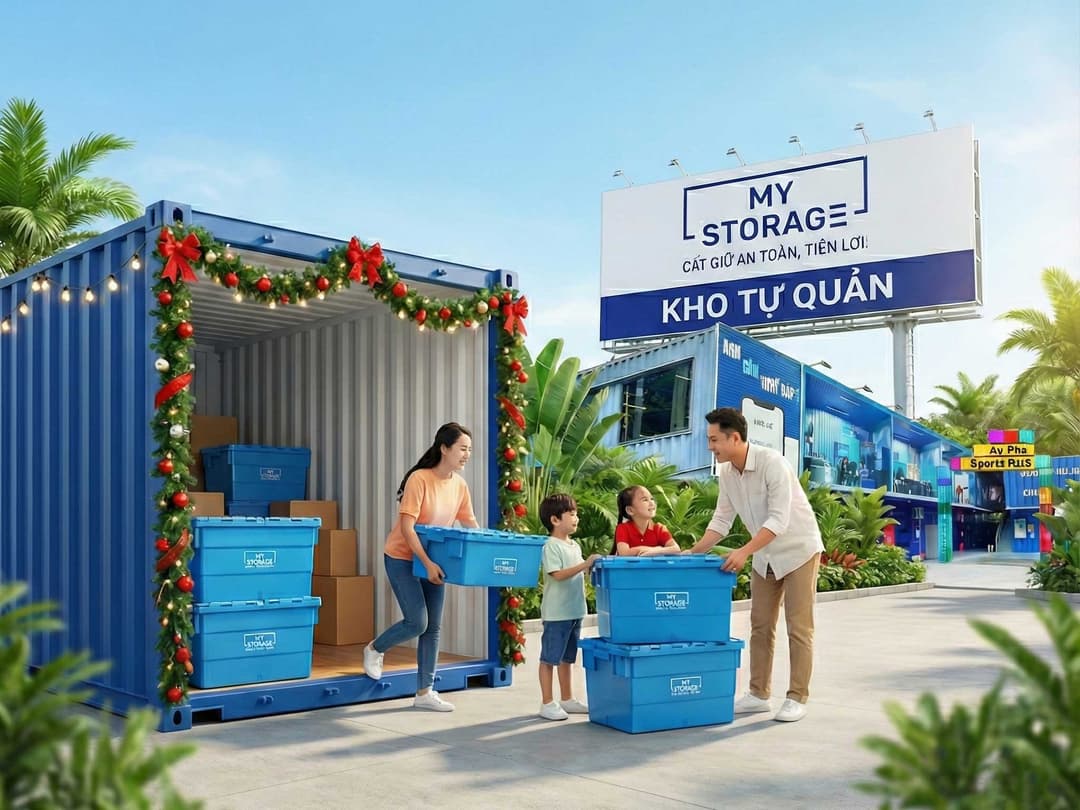
In the modern supply chain, warehouse rentals are not merely spaces for storing goods but strategic solutions that help businesses optimize operating costs and enhance the flexibility of their goods flow.
What is a Rental Warehouse?
Warehouse rental services, also known as “warehousing services“, provide space and related services for storing goods and materials. These services play an essential role in the broader logistics and supply chain ecosystem.
Warehouses serve as vital hubs for inventory management and distribution while helping ensure the efficiency of the entire supply chain. Warehouse rental services give businesses access to this important function without the capital investment and long-term commitment required to own a dedicated warehouse.
Defining bare warehouses and factory warehouses for rent
A rental warehouse is a model that provides storage space or production infrastructure, built by investors and then leased to businesses. The defining characteristic of this model is maximum flexibility:
- Area: Flexible sizes ranging from mini-warehouses of a few square meters to large warehouses spanning tens of thousands of square meters.
- Duration: Contracts are diverse, from short-term (monthly, seasonal) to long-term (3–10 years).
- Functionality: Fully meets needs from raw material storage, finished product preservation, to serving as a cross-docking point for distribution.
Most popular types of rental warehouses today
Depending on technical requirements, the market is currently divided into 5 main groups:
| Warehouse Type | Key Characteristics | Common Applications |
|---|---|---|
| Bare Warehouse | Basic space, concrete floor, corrugated iron roof, low cost. | Storage of general merchandise, durable machinery. |
| Production Factory Warehouse | Equipped with production electricity infrastructure (transformer station), water supply and drainage systems. | Component assembly, garment manufacturing, wood processing. |
| Logistics / Cross-docking Warehouse | Located near ports, national highways, with multiple container docks. | Distribution of Fast-Moving Consumer Goods (FMCG). |
| Self-storage / Mini Warehouse | Small area (5m² – 50m²), high security, 24/7 access. | Individuals moving house, startups storing samples. |
| Specialized Warehouse | Temperature and humidity control, strict fire safety standards. | Pharmaceuticals, frozen foods, electronic components. |
Common Types of Warehouse Rental Services Today
Warehouse rental services can be classified according to several different criteria:
By Ownership and Management
- Public Warehouses: Owned by third-party logistics providers (3PLs), these warehouses offer temporary storage space to multiple businesses.
- Private Warehouses: Owned and operated by a single company for its own storage needs.
- Contract Warehouses: Owned by a third party but operated by the client company under contract.
By Function and Specialization
- Distribution Centers: Focus on moving goods quickly to retailers, with minimal long-term storage.
- Cold Storage Warehouses: Temperature-controlled facilities for storing perishable goods.
- Bonded Warehouses: Store imported goods before customs clearance.
- Container Freight Stations (CFS): Used to consolidate or deconsolidate less-than-container-load (LCL) shipments.
- Smart Warehouses: Use advanced technology and automation.
- On-Demand Warehouses: Flexible, short-term storage space.
- Hazmat Warehouses: Designed to store hazardous materials under strict safety regulations.
Warehouse Models Specific to Vietnam
- Shared Warehouses: Large spaces divided into separate areas for multiple businesses, providing cost-saving benefits.
- Private Warehouses (Self-Managed Warehouses): An entire warehouse or workshop is leased to one business for its exclusive use and management.
- Mini Warehouses: Smaller units partitioned within a larger warehouse, offering private access and security.
- E-commerce Warehouses: Designed specifically for online businesses and often include order fulfillment services.
- Cool Storage: Temperature-controlled to maintain a specific cool range (for example, 18-25°C).
- Weight-Based Warehousing: Rental rates are based on the weight of the stored goods.
- Fixed-Contract Warehousing: The entire space is rented under a specific contract.
- Tax-Suspension Warehouses: Store goods that have completed customs clearance but for which tax obligations have not yet been fully settled.
Which businesses need to rent a warehouse?
Based on market data, the demand for warehouse rentals typically focuses on 5 main groups of customers with different objectives:
- Manufacturing businesses: Need warehouses to stock raw materials to avoid market price fluctuations (accounting for approximately 35-40% of warehouse market demand).
- Commercial – distribution businesses: Need a network of satellite warehouses to access markets faster.
- E-commerce / Online sales: Need warehouses with fulfillment services to process thousands of orders daily.
- Logistics Startups: Lease large areas to subdivide or provide value-added services.
- Seasonal businesses: Only rent additional space during peak seasons like Tet or Black Friday to avoid wasting fixed costs.
Choosing a warehouse is not just about the rental price but also about its strategic location. An e-commerce business in Ho Chi Minh City, instead of renting one large 2,000m² warehouse in the suburbs at a low price, chose to subdivide it into 4 mini-warehouses (300m² each) located in key districts such as District 7, Tan Binh, Go Vap, and Thu Duc City.
Although the rental price per square meter for warehouses in HCMC was 15-20% higher, this business cut its last-mile delivery costs by 30% and reduced delivery time from 24 hours to 2-4 hours. This demonstrates that rental warehouses today are an “extended arm” helping businesses win customer trust.
Common Benefits and Uses of Warehouse Rental Services
- Cost Savings: Avoid the substantial capital expense of building or purchasing a warehouse.
- Flexibility and Scalability: Easily adjust storage space according to inventory levels and business growth. * Ideal for businesses with seasonal demand.
- Strategic Location: Access warehouses in major logistics hubs, enabling efficient transportation and distribution. Close to ports, highways, and industrial parks. Lower transportation costs and shorter delivery times.
- Access to Resources and Expertise: Take advantage of the warehouse provider’s infrastructure, technology, and trained staff. * Includes material-handling equipment, warehouse management systems (WMS), and security.
This range of uses shows that warehouse rental services meet a broad spectrum of business needs, from short-term storage for seasonal goods to long-term solutions for complex supply chains and specialized industries such as e-commerce and pharmaceuticals (which require temperature control).
Effective Operation and Management Process for Rental Warehouses
Operating a professional rental warehouse requires close coordination between technical infrastructure management and contract administration. Below is a detailed warehouse operation process designed to optimize performance and ensure the safety of business assets.
A standard process not only helps protect assets but also serves as a crucial legal basis for resolving disputes that may arise between the tenant and the landlord.
1. Handover of Premises and Condition Inspection
This is the most critical initial step to establish the “starting line” of responsibility. The handover process requires strict adherence to the following items:
- Technical inspection: Measure actual area (clearance vs. center-to-center walls), check floor flatness and load-bearing capacity (typically 3-5 tons/m² for standard warehouses).
- Enclosure system: Inspect the roof (for leaks), perimeter walls, and rainwater drainage system to prevent localized flooding.
- Legal documentation: Prepare a handover report with high-resolution photos/videos at the time of warehouse receipt. This helps clearly distinguish pre-existing cracks and damages from those arising during use.
2. Infrastructure Management and Fire Prevention & Fighting (FPF) Compliance
Infrastructure is the “backbone” of any warehouse. Management needs to focus on two key factors: functionality and legal safety.
- Infrastructure maintenance: Ensure the warehouse floor does not subside or crack under the pressure of forklifts and high-rise shelving.
- FPF Standards (Decree 136/2020/ND-CP): This is a vital factor. Rental warehouses are required to have a certificate of appraisal and acceptance for warehouse FPF.
- Equipment system: Periodically inspect fire extinguishers, nozzles, automatic fire alarm systems, and fire pumps.
- Escape routes: Ensure emergency lights (Exit/Emergency) are always functional and escape corridors are free from obstructions.
3. Access Control and Overall Security
For effective rental warehouse management, the security system must be established based on a controlled “no entry, no exit” model:
- Traffic coordination: Regulate vehicle entry and exit times, especially in the container dock area, to prevent localized congestion.
- Monitoring technology: Install 24/7 CCTV systems in blind spots and main entrance areas, integrated with vehicle management software (license plate, payload).
- Security personnel: 24/7 security team, maintaining strict entry/exit logs for data retrieval when necessary.
4. Regular Maintenance Schedule
Proactive maintenance helps reduce emergency repair costs by 20-30% and prevents business interruptions.
| Maintenance Item | Frequency | Purpose |
|---|---|---|
| Roof & Gutter System | Before rainy season | Prevent leaks, protect internal goods. |
| Electrical & Lighting System | Every 6 months | Prevent electrical short circuits/fires. |
| Warehouse Floor Inspection | Annually | Early detection of subsidence for reinforcement. |
| Wastewater Treatment System | As per regulations | Ensure environmental standards for Industrial Parks/Clusters. |
5. Contract Management and Common Area Maintenance (CAM) Costs
CAM (Common Area Maintenance) costs are common utility management fees that tenants should pay particular attention to.
- Cost transparency: This fee includes common security, exterior cleaning, public lighting, and maintenance of shared infrastructure. Businesses should request a detailed breakdown to avoid hidden charges.
- Legal clauses: Clearly define the annual rent increase rate (typically 5-10%) and conditions for contract renewal or early termination to protect the business’s cash flow.
Amenities Offered by Warehouse Rental Services
In addition to basic storage space, warehouse rental companies often provide supplementary services that add value for customers:
- Cargo Loading and Unloading Facilities: Truck loading docks and potential access to railways or seaports.
- Material-Handling Equipment: Forklifts, cranes, and other equipment for moving goods.
- Parking: Adequate space for trucks and employees’ vehicles.
- Security Services: 24/7 surveillance and security personnel.
- Inventory Management Systems: Software and processes for tracking and managing inventory.
- Waste-Handling Services.
- Maintenance and Repair Services.
- Pest-Control Services.
- Administrative Support: Office space and internet access.
Beyond storage space, supplementary services determine the efficiency and cost of renting a warehouse. Businesses should evaluate their needs and compare services among providers.
Warehouses with loading docks and good handling equipment help speed up operations and reduce labor costs. Robust security and inventory management systems mitigate risk. For an accurate cost analysis, distinguish between services included in the rental price and those billed separately.
The warehouse rental market in Hồ Chí Minh City offers many opportunities but is highly competitive, with limited supply in prime locations. Choosing the right provider requires careful evaluation based on more than price alone.
Enterprise Standards to Check When Renting a Warehouse
Choosing a warehouse isn’t just about location or rental price; it also involves technical specifications and legal compliance. Below are the essential standards businesses need to meticulously control to ensure stable operations and optimized costs.
1. Truck and Container Accessibility
Goods flow is the “lifeblood” of a warehouse. A warehouse with a good location but poor internal transport infrastructure will lead to congestion and increased labor costs.
- Internal Roads: Must have a minimum width of 10m – 12m to allow two containers to pass each other.
- Turning Radius: The apron area needs a clear space of 25m – 30m for 40ft containers to maneuver and reverse into the dock easily.
- Road Load Capacity: Check if the access road to the warehouse is subject to load restrictions or time-based limitations by local authorities.
2. Warehouse Roof Height and Space Optimization Potential
The clear height from the floor to the lowest point of the roof truss is a critical factor determining space utilization efficiency.
- Standard Warehouses (6m – 8m): Suitable for manual stacking of goods or using simple shelving systems (2-3 tiers).
- Standard Logistics Warehouses (9m – 12m): Allows for the installation of high-rise shelving systems (Selective, Drive-in).
- Economic Efficiency: For the same floor area of $1,000m2, a 12m high warehouse can store 1.5 times more goods than a 7m high warehouse, reducing storage costs per cubic meter (m3).
3. Three-Phase Electrical System and Technical Infrastructure
For businesses that not only store goods but also engage in processing, packaging, or special preservation activities, power supply is a top priority.
- Capacity: Ensure the transformer station has sufficient reserve capacity for production machinery or industrial cooling systems.
- Stability: The three-phase electrical system needs protective devices (circuit breakers, lightning arresters), and if possible, a backup generator should be available to prevent damage to temperature-sensitive goods.
4. Legal Documentation and Fire Safety Standards
This is currently the biggest legal hurdle. A warehouse that doesn’t meet fire safety standards can lead to business suspension or denial of insurance claims in case of an incident.
- Fire Safety Acceptance Certificate: This is a mandatory document. Businesses need to check if the actual system (sprinkler heads, fire barriers) matches the approved drawings.
- Fire Safety Plan: The lessor must provide a fire fighting coordination plan approved by the authorities.
- Fire and Explosion Insurance: Check if the warehouse owner has purchased insurance for the building structure, and the business should purchase additional insurance for assets/goods inside.
| Item | Basic Standard | Premium Standard (Grade A) |
|---|---|---|
| Clear Height | 6m – 7m | 10m – 13m |
| Floor Load Capacity | 2 tons/m2 | 5 tons/m2 (perfectly flat floor) |
| Fire Safety System | Wall hydrants | Automatic (Sprinkler) meeting NFPA standards |
| Warehouse Floor | Regular concrete | Hardener polished or Epoxy coated |
Don’t just inspect the warehouse during the day. Try visiting the warehouse area during peak hours or after heavy rain. This helps you realistically assess the flooding situation of the access roads and the drainage capacity of the warehouse roof – details often obscured in technical drawings.
Factors to Consider When Choosing a Warehouse Rental Provider
Choosing the right warehouse rental service provider requires a multidimensional assessment that goes beyond cost and location alone. The business’s specific needs, including the type of goods, required services, and growth plans, must be carefully considered. Below is a list of important factors to evaluate:
| Criterion | Requirements/Details |
|---|---|
| Location and Accessibility | A self-storage facility should be conveniently located near the city center or major transport routes so belongings and goods can be moved easily. Avoid flood-prone or hard-to-access areas.
|
| Condition and Facilities | The warehouse should have compliant electrical, water, and fire prevention and firefighting systems. This is particularly important for startups storing flammable or explosive goods or products requiring special storage conditions.
|
| Security and Safety | The warehouse must have security systems, professional guards, and strict access controls to keep assets in self-storage safe.
|
| Lease Terms and Conditions | Options include shared warehouses, private warehouses, and self-managed warehouses rented by area or goods volume. Households may choose smaller units, while startups may need flexible space that can expand when necessary.
|
| Costs and Fees | Compare prices among service providers and pay attention to additional expenses and contract terms to avoid hidden costs.
|
| Value-Added Services | Services and amenities that provide tenants with additional support, such as:
|
Inspecting the warehouse and reviewing the lease
Before deciding to rent a warehouse, you should inspect it in person to assess its condition, location, infrastructure, and other factors.
- Review the contract carefully: Read all contract terms carefully, including pricing, rental period, additional costs, each party’s responsibilities, and so on.
- Negotiate the price and rental period: Do not hesitate to negotiate with the warehouse owner to obtain the best price and rental term.
- Choose a reputable provider: Prioritize reputable, experienced warehouse rental providers with strong service-quality ratings.
Self-storage in Hồ Chí Minh City is an ideal solution that helps startups and households save space, protect their belongings, and expand flexibly when needed. Consider your options carefully to choose the facility that best meets your needs!
Warehouse Rental Pricing Models in Vietnam
The figures below are historical reference prices from the 2025 guide. They have not been reverified for the current period and are not a MyStorage quotation. Request an updated quote based on the goods, space, lease term, and services required.
Warehouse rental prices in Vietnam vary considerably depending on factors such as location, warehouse type, size, and included services. Below are the most common pricing models:
| Service Type | Unit | Price Range (VNĐ/Month) | Notes |
|---|---|---|---|
| Standard storage | m³ | 65.000 – 130.000 | Prices vary by area |
| Cool storage | m³ | 180.000 – 250.000 | Temperature maintained at 18-25°C |
| Self-storage | m² | 90.000 – 150.000 | Prices depend on size, location, and standards |
| Document storage | m³ / Box | 65.000 – 130.000 / 20.000 | Per-box pricing applies to standard-size boxes |
Prices for warehouse rental services in Vietnam vary widely and are influenced by factors such as location, warehouse type, size, and included services. Businesses should obtain detailed quotations from providers based on their specific requirements. Warehouses in prime industrial parks or near transport hubs are likely to command higher prices. Specialized facilities such as cold storage also cost more because of their infrastructure requirements.
Costly Mistakes Businesses Must Avoid When Leasing Warehouses
Leasing warehouse space is a long-term financial decision. However, many businesses often fall into cost and operational “traps” by focusing solely on superficial metrics. Below are the 3 most common mistakes and how you can avoid them.
1. Focusing Solely on the Rental Price per Square Meter
This is the most common mistake. A warehouse with a rental price below the market average often comes with hidden limitations:
- Dilapidated infrastructure: Weak warehouse flooring damages forklift tires, thin corrugated roofs cause heat (increasing cooling electricity costs), or leaks that damage goods.
- Suboptimal design: A warehouse with too many internal columns or a ceiling that’s too low prevents you from installing high-rise racking systems, leading to the need to rent more floor space than necessary.
- Operating costs inversely proportional to rent: A cheap warehouse far from the city center will increase fuel and transportation labor costs, ultimately making the total cost (Total Cost of Occupancy) much higher than a more expensive warehouse in a prime location.
2. Overlooking Hidden Costs and Service Fees (CAM)
Many businesses only budget based on factory rent, forgetting about monthly maintenance costs:
- CAM Fees (Common Area Maintenance): Costs for perimeter security, public lighting, common area cleaning, and landscaping.
- Initial renovation costs: Installing electrical systems, temporary offices within the warehouse, racking systems, and internet/camera networks.
- Utilities (electricity, water) and wastewater treatment: Especially crucial for manufacturing units or cold storage facilities. If the electrical system is insufficient, you’ll incur significant additional costs to upgrade the transformer station.
3. Insufficient Assessment of Logistics and Traffic Factors
Warehouse location directly impacts the turnaround time of goods flow. Common mistakes include:
- Restricted hours/routes issues: A warehouse located on roads with time-restricted access for trucks/containers will severely hinder a business’s goods distribution capabilities.
- Peak-hour traffic jams: If the warehouse is located in a traffic blackspot, delivery times will be extended, reducing customer experience and increasing opportunity costs.
- Distance from key infrastructure: A warehouse too far from ports, airports, or major national highways will cause “last-mile delivery” costs to skyrocket.
| Criteria | Low-cost Warehouse (Suburban/Old) | Standard Warehouse (Strategic Location) |
|---|---|---|
| Unit Rental Price | Low (e.g., 60k – 80k/m²) | High (e.g., 100k – 130k/m²) |
| Racking Capability | Low (primarily floor storage) | High (optimizes space by m³) |
| Transportation Costs | High (due to distance from market/port) | Low (optimized routes) |
| Goods Risk | High (mold, fire, security) | Low (standardized fire safety, 24/7 security) |
| Final Total Cost | Often 20-30% higher | More optimized and stable |
To avoid these mistakes, calculate the Total Logistics Cost.
Simple formula:
Total Cost = Warehouse Rent + Transportation Costs + Labor Costs + Taxes/Insurance + Opportunity Costs (delivery time)
If a warehouse has a higher rental price but helps you reduce transportation costs by 15% and delivery time by 20%, that is truly the cheapest option.
In warehouse operations, trust is built upon legal transparency. The lessor must provide all necessary documents: Construction Permit, Land Use Rights Certificate, and especially the Fire Safety Acceptance Report. For the lessee, adhering to the correct floor load capacity and fire safety regulations is not only about protecting goods but also about fulfilling civil liabilities within the contract.
FAQ
A rental warehouse is a storage or warehouse space leased to businesses based on area and duration, used for storing goods, materials, or as a distribution hub.
SMEs, e-commerce companies, logistics startups, or businesses with short-term or seasonal storage needs benefit most from renting warehouses.
They include site handover, infrastructure management, security control, periodic maintenance, and lease & cost management.
Infrastructure affects storage efficiency, safety, and long-term operating costs, especially flooring, roofing, and fire protection systems.
Key standards include truck/container access, ceiling height, three-phase power supply, and valid fire safety compliance.
Additional costs include common area maintenance (CAM), utilities, security, maintenance, and other operational expenses.
CAM (Common Area Maintenance) covers shared services such as security, cleaning, and infrastructure maintenance, charged separately from rent.
Focusing only on rental price while ignoring logistics location, hidden costs, and operational quality.
A warehouse near major transport routes reduces delivery time, transportation costs, and delay risks.
When self-operated costs rise, scalability is limited, or management resources are insufficient, professional warehouse leasing becomes a better option.
Related articles
Article
Onshore vs Offshore: Which Manufacturing Model Should Businesses Choose?
Onshore manufacturing refers to production within a company’s home country, helping to control quality, shorten delivery times, and ensure easier regulatory compliance. Offshore…
Read article
Article
How To Organize Your Home Storage Room | 10 Space-Saving Tips
Organize household storage with ten practical tips, an inventory template, safety checks and guidance on when external storage is worth considering.
Read article

Article
Secrets to Profitable Online Selling: 10 Ways to Save Costs
To sell online profitably, you not only need to increase sales but also maintain good control over operating costs. Items such as inventory, premises, packaging, shipping, and order…
Read article
