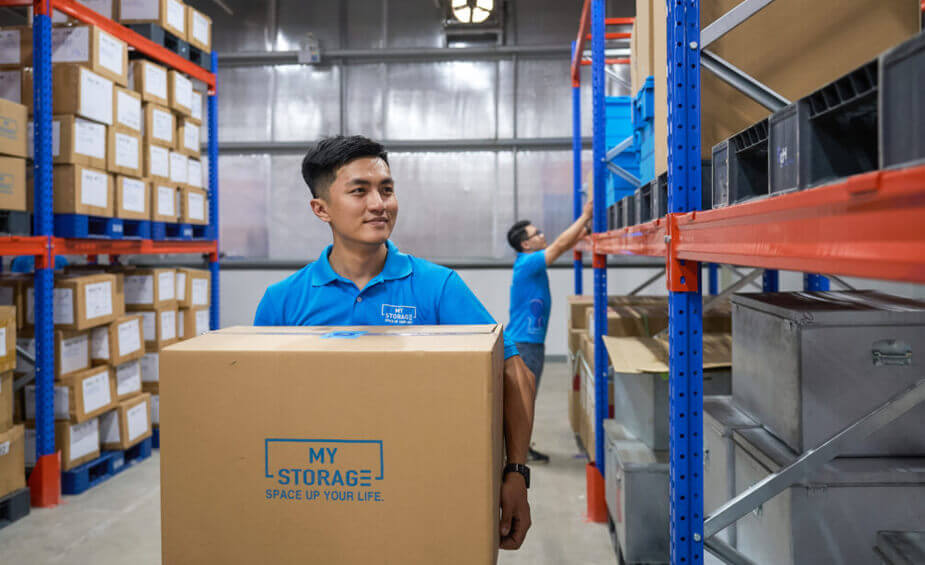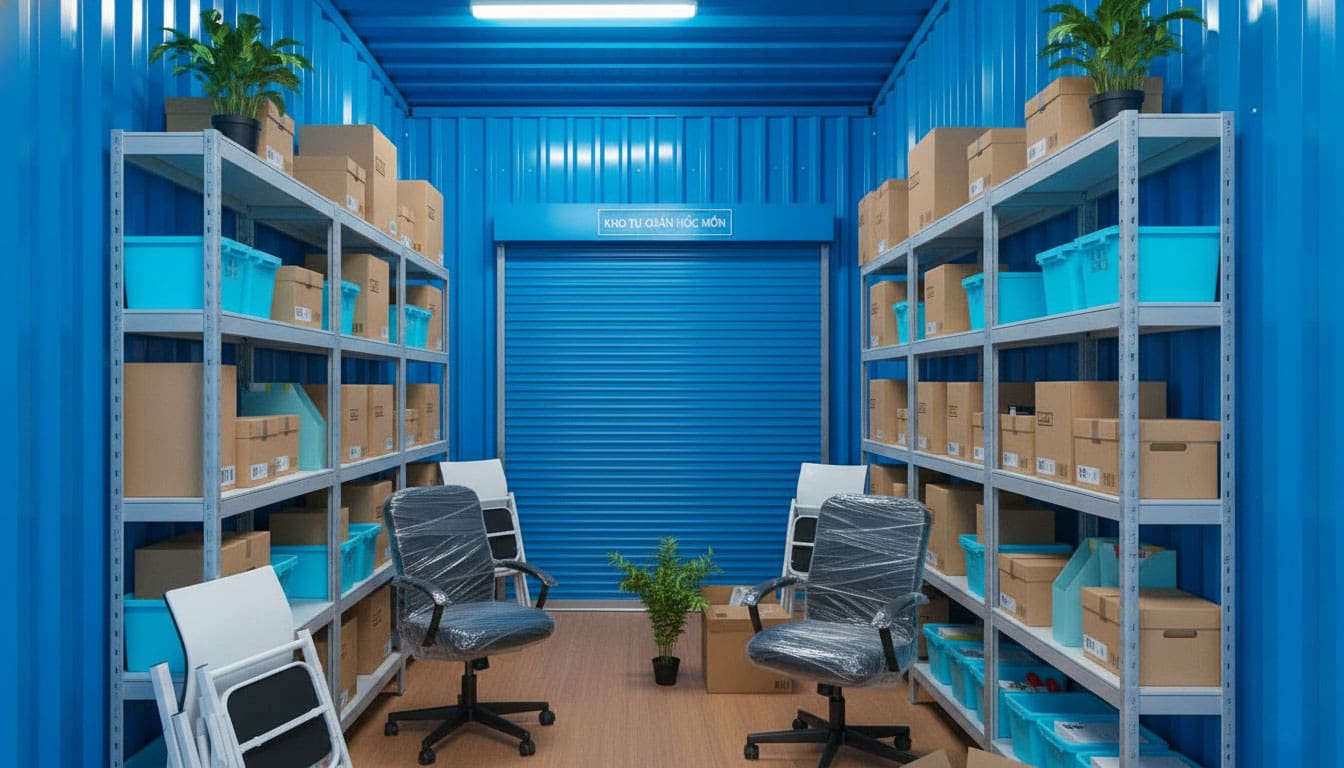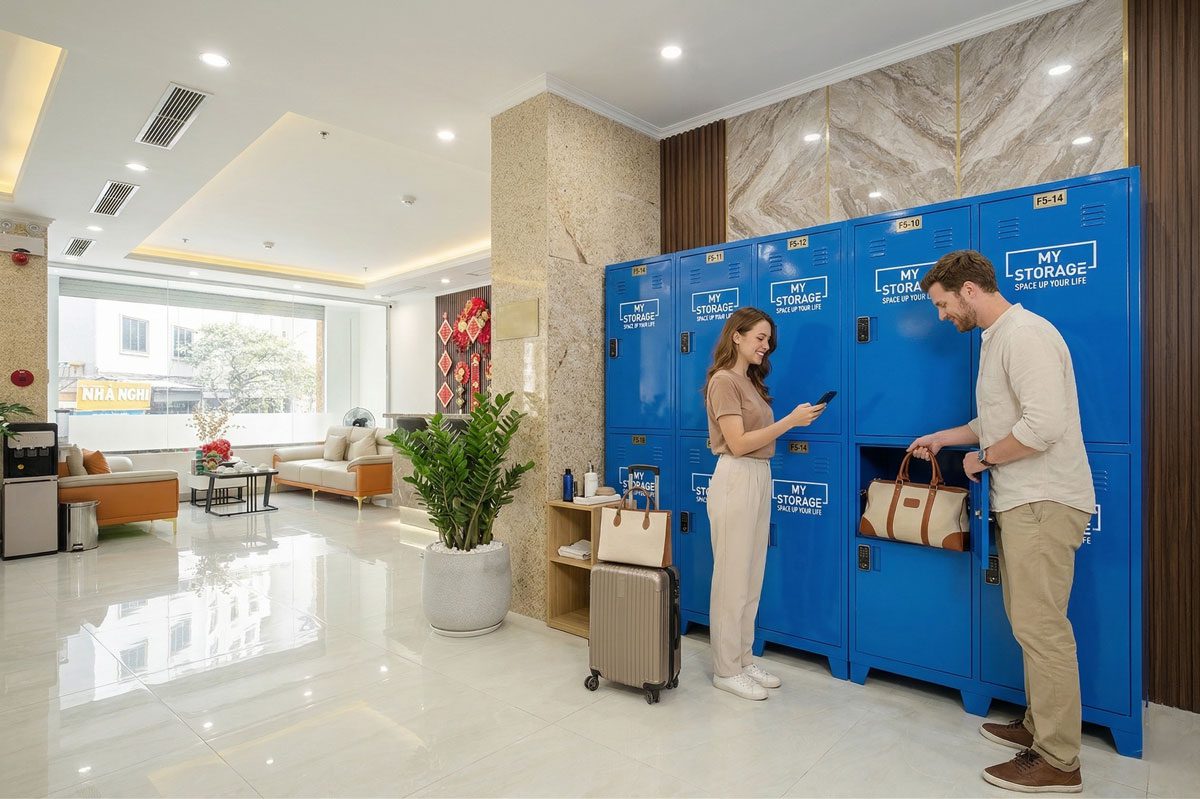

To make a shophouse busier, besides a prime location, there is a need for amenities that help attract and retain customers. MyStorage locker solutions at shophouses are an effective way to allow customers to store items conveniently, thereby increasing their stay time and the likelihood of using on-site services like dining and shopping.
Why Are Many Shophouses Still Empty Despite Prime Locations?
Many shophouses have beautiful facades located on busy main roads but remain empty because they lack experiential elements and a reason for people to stop. A good location is a necessary condition but not a sufficient one in an era where consumers have endless choices and shopping habits are changing rapidly; location ≠ revenue. A shophouse without a clear point of differentiation will be glanced over as people move on, even if it is situated on the city’s busiest thoroughfare.
This is an increasingly common phenomenon in the commercial streets of Ho Chi Minh City and Hanoi: expensive premises, chronic vacancy, and tenants changing constantly every 6–12 months—an endless loop whose root lies in the “good location is enough” mindset.
Cause 1 — Relying on Location as a Natural Advantage
A good location used to be a sustainable competitive advantage in the pre-internet era. People bought goods at the nearest, most familiar, and most convenient store. A facade with high foot traffic automatically converted into a stream of customers without the seller needing to do anything extra.
That model is no longer valid.
- Consumer behavior has fundamentally changed: Today’s shoppers Google before they go, read reviews before they enter, and compare prices on their phones before they pay. A store without a specific reason to visit—no special items, no unique experience, no timely offers—will be bypassed even if it sits right in front of the passerby.
- Physical traffic no longer correlates directly with revenue: Busy streets ≠ customers entering the store. Customers entering the store ≠ customers making a purchase. People on the sidewalk are busy looking at their phones, heading to a specific destination, or waiting for a Grab; they are not strolling and ready for impulsive shopping like previous generations. The conversion rate from passersby to store visitors on Vietnamese streets is now only 2–5%, a significant drop from the 8–12% level of a decade ago (according to a survey by Savills Retail Vietnam, 2023).
- Shophouses are competing with E-commerce, not the shophouse across the street: The real competitor for every shophouse is not the neighboring store but Shopee, TikTok Shop, and every other delivery app. When customers can receive goods at home within 2 hours at a lower price, the only reason for them to visit a physical store is an experience that cannot be replicated on a screen—and this is exactly what most shophouses lack.
Cause 2 — Lack of “Retention” Points: No Reason to Stay Longer
A “retention” point is any factor that makes a customer stay longer than their original intention, and stay time correlates directly with the probability of a purchase. Someone who stops for 5 minutes buys more than someone who stops for 30 seconds. Someone who sits down buys more than someone who stands.
What shophouses are currently missing:
- Space to experience before buying: The current generation of shoppers does not want to be “sold” to; they want to discover, test, and decide for themselves. Shophouses that only have shelves and waiting staff create psychological pressure that makes customers want to enter and leave quickly, or not enter at all if they know they will be approached immediately.
- No reason to return: Shophouses selling the same products at prices similar to E-commerce have no reason for customers to return a second or third time. Each purchase is an independent decision with no habit loop, no community, and no exclusive experience.
- No “shareable” elements: In the age of social media, a “photo-worthy” space or a “worth-telling-friends” experience is the most effective and cheapest marketing channel. Shophouses designed only to sell goods, not to create shareable moments, lose out not only on organic marketing but also on their reason for existing in the customer’s mind.
Research by Nielsen Vietnam (2023) shows that 67% of urban consumers say they decide to visit a store for the first time because it was recommended by friends/family or seen on social media, not because they saw the sign while passing by. A beautiful location puts a shophouse in the line of sight, but it is no longer enough to bring customers through the door.
Cause 3 — Lack of Differentiation: Spaces That Look Like Everywhere Else
This is the deepest and most difficult cause to resolve: when every shophouse looks the same, the consumer’s brain has no reason to pay attention to any particular one.
- The homogenization trap: On the same street, ten adjacent shophouses might sell different products but offer a similar experience: white or wooden spaces, neatly arranged shelves, and uniformed staff standing by. There is no signal telling passersby why this is a destination rather than a random stop.
- Product is not the differentiator: In an era where almost every product can be found on E-commerce for less, the product is no longer a strong enough reason for customers to visit a physical store. Differentiation must lie in the experience, the emotion, or the community things that a screen cannot replicate.
- Economic consequences: Shophouses without differentiation are forced to compete on price, which leads to low margins and insufficient budgets to invest in the experience, leading to a continued lack of differentiation. This loop explains why the rate of shophouse tenant turnover every 6–12 months is becoming increasingly common on major commercial streets.
Location ≠ Revenue: The New Equation of Modern Retail
If location is no longer a sufficient advantage to generate revenue, what is?
Experiences that cannot be copied on E-commerce: Cafés with unique spaces, craft workshops where you can make things by hand, or fashion stores with personalized styling advice—these experiences cannot be had on a screen and provide a specific reason to visit a physical store.
Utilities that solve real problems: A shophouse that integrates useful amenities—self-service lockers, EV charging points, parcel pickup points—turns a passive shopping spot into a purposeful destination. Customers come for a specific reason (picking up goods, charging a vehicle) and stay because the store is interesting enough to explore further.
Community and repetition: The most successful shophouses of this decade do not try to sell to everyone; they build small, cohesive communities where customers return for the sense of belonging, not just for the product.
| Old Mindset | New Mindset |
|---|---|
| Good location → customers come naturally | Good experience → customers have a reason to come |
| Selling products | Selling experiences and emotions |
| Physical traffic = revenue | Conversion rate × quality of experience = revenue |
| Competing with the shophouse opposite | Competing with the convenience of E-commerce |
| Transactional customers | Loyal community |
Empty shophouses despite prime locations are not due to the wrong location, but because they have yet to answer the question every customer asks, even if never out loud: “Why should I go in here instead of buying on my phone?” When there is a convincing answer to that question, a beautiful location truly begins to show its value.
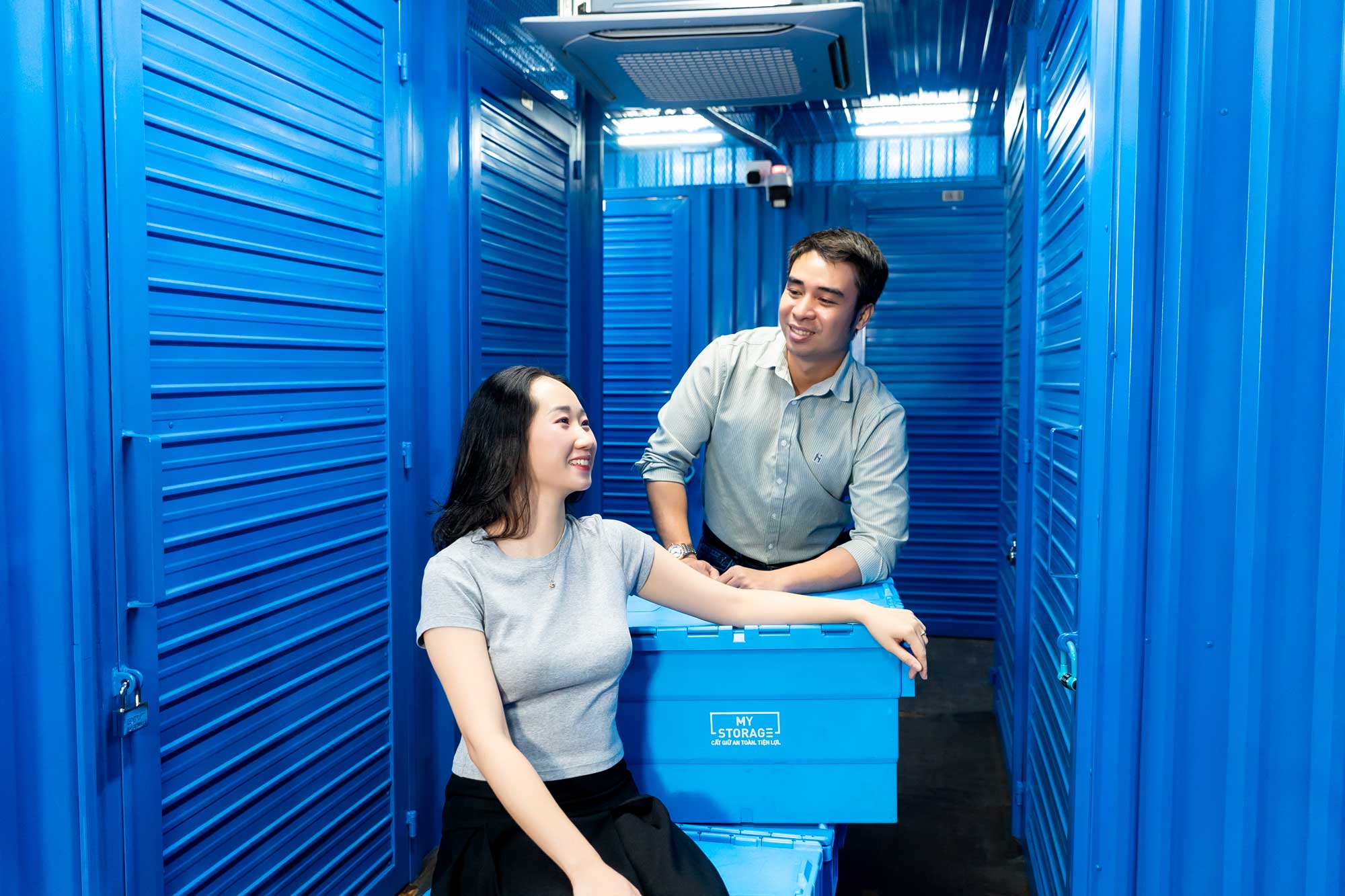
Amenities – The Deciding Factor for Foot Traffic
Amenities play a crucial role in attracting and retaining customers, especially for F&B and retail models. Spaces with practical amenities such as storage points, WiFi, comfortable seating, or parcel pickup points create specific reasons for customers to step in, stay longer, and return. A customer staying an extra 10 minutes correlates with a 22–28% increase in average basket value (Retail Council SEA, 2023).
Amenities play a central role in attracting and retaining customers, particularly for F&B, retail, and service models amidst increasingly fierce competition with e-commerce. Beautiful spaces and good locations create the first opportunity, but it is the amenities that provide the reason for customers to enter, stay longer, and come back.
Amenities in this context are not just “luxury add-ons” but factors that solve the practical needs of customers right at the touchpoint. Any shophouse or commercial space that can answer the question “What do I get besides the product I intend to buy?” will have a more sustainable competitive advantage than rivals who only compete on price.
Customer Experience: From Transaction to Connection
The biggest difference between a successful shophouse and a failed one lies not in the product but in the quality of the experience customers take home after leaving. In the era of e-commerce, products can be bought in dozens of other places at similar or cheaper prices. But a truly great experience cannot be replicated on a phone screen.
Customer experience is created from three layers:
- Physical layer: Purposefully designed spaces, not just for holding goods. Lighting, scent, sound, and movement layout all affect customer emotions the moment they step in. Research by Paco Underhill in retail psychology shows that customers stay an average of 30–40% longer in spaces with intentional sensory design compared to ordinary spaces.
- Service layer: Not just sales staff, but companions in the experience. The difference between “What do you need?” and “Let me introduce something that suits you” is the distance between a transaction and a connection. Customers remember how they were treated longer than they remember the products they bought.
- Additional amenities layer: This is the least noticed but increasingly important layer. A free phone charging station, good WiFi, convenient parking, self-service lockers for storage, or a water station for guests are small amenities that make a big difference in overall perception. They say one thing to the customer: “We are thinking of you, not just about making a sale.”
According to the PwC Vietnam Consumer Insights survey (2023), 73% of consumers are willing to pay 5–10% more for the same product if the shopping experience is better. And 86% will stop buying at a point of sale after two bad experiences.
Convenience: Reducing Friction at Every Touchpoint
Convenience in modern retail is defined by a single criterion: how easy it is for customers to do what they want to do. Every friction point in the customer journey, no matter how small, is an opportunity for the customer to decide to leave.
Common friction points at shophouses and commercial spaces:
- No nearby parking: Customers see an interesting sign but no convenient parking, so they drive past and don’t return. This is an invisible friction point that closes the doors of many shophouses before the customer even steps in.
- No storage space: Customers carrying handbags, shopping bags, or laptops don’t want to bring them into a cramped café or store. The lack of storage solutions makes the decision to enter the store more complicated than necessary.
- Slow and multi-step payment: Long queues, slow POS machines, and no QR payment are friction points at the final step of the purchasing journey, creating a negative impression right before the customer leaves.
- No clear information: Unclear menus, hidden prices, or staff unable to answer basic questions. Uncertainty is the enemy of the purchasing decision.
Amenities that solve friction are the highest-value amenities:
Self-service lockers in the lobby or entrance completely and automatically solve the “no storage space” friction point, requiring no staff and taking up no primary business space. Customers put their belongings in the locker, free their hands, comfortably experience the entire space, stay longer, and the probability of purchase increases accordingly.
A study by the Retail Council in the Southeast Asian market (2023) shows that an extra 10 minutes of stay time correlates with a 22–28% increase in average basket value. Amenities that help customers stay longer are not a cost; they are an investment in revenue.
Reasons to Return: Turning Walk-ins into Loyal Customers
The cost of keeping an existing customer coming back is 5–7 times lower than the cost of attracting a new one. However, most shophouses and commercial spaces invest almost entirely in attracting new customers and have almost no strategy for retaining old ones.
Three factors for creating reasons to return:
- Recurring amenities and repeat needs: The most ideal amenities are things customers need to use frequently, not just once. An automated parcel pickup point is a perfect amenity in this sense: with a frequency of online shopping 4.5 times/week for Vietnamese urban users, customers will return to the locker area several times a week. Each return is an opportunity to remember the store, see new products, and decide to drop in.
- Consistent experience, independent of shifts: Customers return when they are certain they will receive a similar experience to the last time. Inconsistency, even in a positive direction, creates uncertainty. Automated amenities like lockers, vending machines, or charging points operate consistently 24/7 without depending on personnel, ensuring the experience always meets expectations.
- Community and a sense of belonging: The most successful shophouses and F&B models of this decade don’t sell products; they sell community. Customers return not because the coffee is the best in town, but because this is where they feel familiar, recognized, and belong. Amenities create habits, and habits create belonging.
| Type of Amenity | Frequency of Use | Impact on Return Reason |
|---|---|---|
| Parcel pickup lockers | Multiple times/week | Very high, creates visiting habits |
| WiFi and charging points | Daily | High, especially for mobile workers |
| Loyalty points and offers | Per order | Medium, effective for existing fans |
| Comfortable seating | Every visit | High for F&B, medium for retail |
| Cleanliness and facilities | Every visit | Basic but indispensable |
Amenities are not an incidental cost but an investment with a measurable ROI. Shophouses that invest in amenities to solve practical customer friction not only increase revenue per visit but also build return frequency. And in the long-term business equation, return frequency is far more important than the number of new customers.
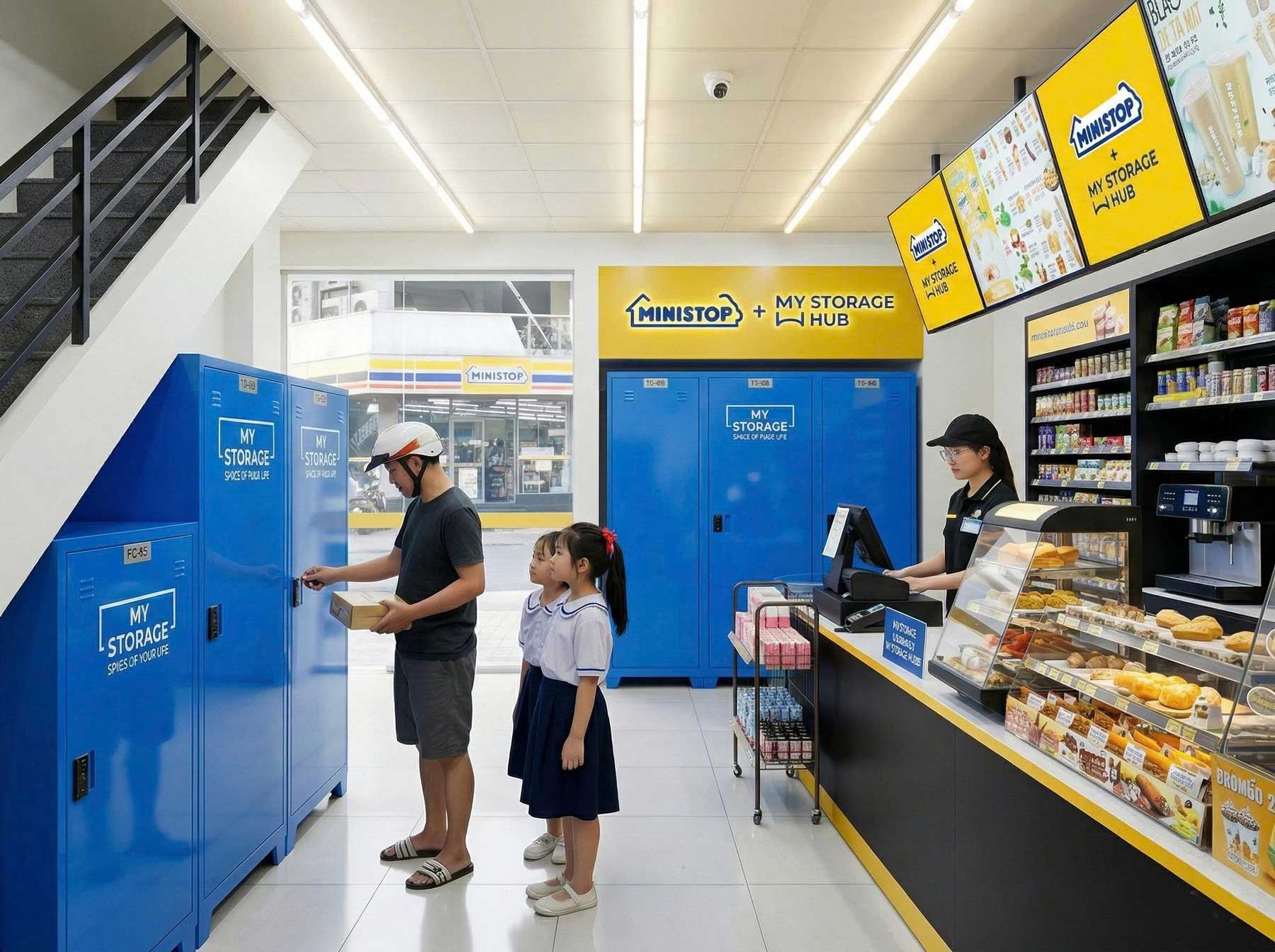
Amenities That Boost Foot Traffic for Shophouses
Amenities such as comfortable seating, WiFi, convenient parking, and storage lockers help improve the customer experience and increase the number of visitors to the shophouse. Customers staying longer than 10 minutes correlates with an average increase in basket value of 22–28%. Amenities are not an overhead cost but an investment with a measurable ROI (Retail Council SEA, 2023).
Amenities are the factor that converts passersby into store visitors, and visitors into buyers. Below are four groups of amenities that have the most direct impact on foot traffic and revenue at shophouses.
Seating and Rest Spaces
Comfortable seating extends the time customers stay, creating opportunities to interact with products and increasing the probability of a purchase. Shophouses with seating areas record an average stay time 35–50% higher than purely standing spaces.
Seating is the most fundamental amenity for any commercial space looking to retain customers. When customers stand, their mindset is always in a state of being ready to leave. When customers sit, they shift into a state of relaxation, exploration, and are more likely to make purchasing decisions.
Not all seating is created equal:
Seating that overlooks the street or faces product display areas has higher value than seating in hidden corners. Customers observing products while sitting are naturally stimulated to buy without feeling pressure from sales staff.
Waiting seats combined with product experience areas is the most effective model. The Apple Store is a classic example: there are no pure waiting chairs; every seat is placed next to a device that can be picked up and experienced immediately.
For small-scale shophouses: No large investment is needed. Two to four strategically placed chairs, combined with a small tabletop and phone charging points, create a useful resting space without taking up much business area. The initial investment cost is usually under 5 million VND, but the impact on customer stay time is significant and immediate.
Note: Seating areas must be kept clean and regularly maintained. Dirty or cluttered furniture has a stronger negative impact than having no seating at all.
WiFi and Basic Amenities
Free WiFi and phone charging points are two basic amenities with low costs but a high impact on customer stay time. According to a Hootsuite Vietnam (2023) survey, 61% of urban consumers decide to stay at a location longer if there is stable, free WiFi.
WiFi and connectivity amenities are no longer just a “plus” for shophouses or cafes but have become a default expectation for most urban customers. A lack of WiFi doesn’t necessarily make customers happy, but slow or unstable WiFi creates clear dissatisfaction and shortens stay times.
Basic amenities with the highest ROI for shophouses:
Phone charging points (USB-A, USB-C, and standard outlets) cost under 2 million VND to install but provide a practical reason for customers to sit down and stay until their phone is charged. An average charging wait time of 15–30 minutes means 15–30 minutes of customer exposure to products in the store.
WiFi with easy-to-remember passwords or no password at all, with a minimum download speed of 20 Mbps so customers can stream or make video calls comfortably. A good WiFi router costing 2–5 million VND is a one-time investment with long-term impact.
Cleanliness and regular maintenance are the most basic amenities but are often overlooked. Clean restrooms in F&B shophouses are a deciding factor in whether customers return, especially for female customers and families with young children.
How to optimize WiFi costs: Display the WiFi password alongside a short message introducing new products or current offers. Customers needing WiFi will read the message before connecting, creating a marketing touchpoint at no extra cost.
Convenient Parking
A lack of parking is one of the top reasons why customers do not visit a shophouse despite their intention. In HCMC and Hanoi, 45% of customers decide not to enter a location because they cannot find a parking spot within a 50m radius (Nielsen Vietnam, 2023).
Parking is an invisible friction point but has the greatest impact on a customer’s decision to visit. Motorcyclists or car drivers often scan the parking area before deciding to stop. If they don’t see a clear parking spot within 3–5 seconds of observation, the default decision is to keep moving.
Practical solutions for each type of shophouse:
Shophouses with wide sidewalks: Clearly mark parking areas with paint or signage, and arrange for parking attendants or an automated parking system. Clarity regarding parking spots is more important than the actual parking area size.
Shophouses in complexes or shopping malls: Coordinate with management to have a dedicated parking area or priority for shophouse customers, combined with a parking fee refund policy for purchases above a certain threshold.
Shophouses on small streets with no sidewalks: Partner with the nearest parking lot so customers can park and receive a QR code confirming their visit to the shophouse, using this code to get a parking fee refund. The cost of supporting customer parking is usually lower than the cost of attracting new customers through advertising.
Practical Insight: F&B shophouses in HCMC running a “free parking for orders from 100,000 VND” policy recorded a conversion rate from passersby to visitors over 40% higher than before the policy was applied. The average parking support cost of 5,000–10,000 VND per customer is much lower than the added order value.

Storage Lockers
Self-service lockers at shophouses resolve the “nowhere to store belongings” friction point completely automatically, helping hands-free customers experience the space more comfortably. Shophouses integrating lockers record an average increase in guest stay time of 25–35%, with purchase rates increasing accordingly.
Storage lockers are currently the most underrated amenity on the list, yet they hold the potential for the greatest impact on shophouse experience and revenue. The reason is simple: customers carrying bulky items into a store tend to move quickly, avoid browsing shelves, and want to leave early. Customers who are not carrying items move more freely, pay more attention to products, and spend more time within the space.
Who actually needs lockers at a shophouse:
- Chain shoppers: people shopping at multiple locations in one session, carrying items from previous stores. This is the customer segment with the highest purchase intent but is often limited by the items they have already bought.
- Tourists and travelers with luggage: shophouse areas near tourist attractions, train stations, or bus hubs see a significant volume of guests carrying luggage. Lockers turn an inconvenience into a natural stopover point.
- Office workers on lunch breaks: those going out to shop or eat during their break often carry laptops or work bags and do not want to expose sensitive information or bring them into crowded venues.
Dual benefits for shophouse owners:
Lockers do not just serve the shophouse’s own customers; they also attract people from outside who stop by specifically to use the locker, then stay to explore the store. This represents a new source of foot traffic without marketing costs, generated from the practical needs of passersby.
Through a partnership model with providers like MyStorage, shophouses do not need to invest capital to purchase units while still offering this amenity, and they even receive a revenue share from the storage fees paid by users. The required space is typically under 2 m², making it suitable for almost any shophouse layout.
These four amenities are not mutually exclusive. A shophouse investing in all four groups simultaneously creates a synergistic effect: customers have a place to park, store their belongings in a locker, connect to WiFi, and sit down to rest, naturally staying longer and engaging more with products. Every extra minute spent is a revenue opportunity gained without additional advertising costs.
Summary Table: Impact of Each Amenity
| Amenity | Investment Cost | Impact on Dwell Time | Impact on Purchase Rate | Best Suited For |
|---|---|---|---|---|
| Seating and Rest Areas | 2–10 million VND | 35–50% Increase | High | F&B, Fashion Retail |
| WiFi and Charging Stations | 3–8 million VND | 20–30% Increase | Medium | F&B, Services, Coworking |
| Convenient Parking | 0–5 million VND/month | 30–40% Increase in Foot Traffic | High (once inside) | All Shophouse Types |
| Storage Lockers | 0 VND (Partnership) | 25–35% Increase | High | F&B, Retail, Shopping Areas |
MyStorage Lockers – A New Amenity Solution for Shophouses
MyStorage lockers allow customers to store items quickly by the hour, enabling a hands-free experience to enjoy services more comfortably and stay longer. Shophouses integrating lockers record a 25–35% increase in stay time, a corresponding rise in additional spending, and the creation of new foot traffic from external locker users. With the MyStorage partnership model, shophouse owners require no initial capital investment while providing full amenities and receiving a share of the revenue.
Shophouse space is limited, and amenity budgets are finite, but the impact of the right amenity in the right place is limitless. Self-service lockers are the lowest-cost investment among all options, yet they trigger a chain reaction directly impacting revenue that few shophouse owners realize before implementation.
How Does MyStorage Locker Work at Shophouses
The entire locker operation is automated, requiring no staff intervention and no changes to the shophouse owner’s current service process.
Customers visiting the shophouse who need to store items (handbags, backpacks, shopping bags from elsewhere) select a locker size that fits, scan a QR code or pay directly at the locker screen, place their items inside, and receive a personal unlock code via phone. The entire process takes under 60 seconds. When they need to retrieve their items, they enter the code or authenticate via the app, the locker opens, and the transaction concludes.
The locker operates 24/7, independent of opening hours or staff shifts. Shophouse owners receive monthly revenue reports from storage fees without having to do anything else.
Operational specifications for reference:
| Item | Specification |
|---|---|
| Storage duration | Hourly or daily |
| Process | Fully self-service, no staff required |
| Footprint | 1–3 m² depending on the unit size |
| Shophouse owner’s investment capital | 0 VND (partnership model) |
| Operating electricity cost | 150,000–200,000 VND/month |
| Installation time | 1–2 weeks after survey |
Research by the Retail Council Southeast Asia (2023) shows that customers who are hands-free while shopping spend an average of 31% more than those carrying bulky items, even when income levels and initial shopping intentions are equivalent.
Why Shophouses Lack Customers Despite Prime Locations – And Why Amenities Are the Answer
Many shophouses have great locations but still lack customers because they lack a specific reason for passersby to stop and stay longer. Practical amenities such as seating, WiFi, parking, and storage lockers directly address the friction points that prevent customers from entering, while also extending stay duration and increasing average spending by 22–28% (Retail Council SEA, 2023).
A good location is a necessary condition but no longer sufficient. In the e-commerce era, consumers don’t visit stores just because they are on the way — they visit because there is a specific reason. Shophouses that cannot answer the question “why should I come in here instead of buying on my phone?” will continue to lack customers even if located on the busiest streets.
The conversion rate from passersby to walk-in customers at Vietnamese street-front shops is currently only 2–5%, down from 8–12% a decade ago (Savills Retail Vietnam, 2023). Most of this decline stems from three practical causes: no reason to stop, no reason to stay long, and no reason to return.
Why Customers Don’t Stop
Today’s commuters are busy looking at their phones, on their way to a specific destination, or waiting for a ride. They don’t stroll and shop impulsively as they used to. Shophouses with only signs and displayed products do not create a strong enough signal to break that movement inertia.
The biggest invisible friction point is the lack of clear parking. Motorcyclists scan for parking within the first 3–5 seconds. If they don’t see a convenient spot, the default decision is to keep going. This is the friction point that closes the shophouse door before the customer even has a chance to look inside.
The second issue is the lack of a unique reason. When ten shophouses on the same street look and operate identically, the consumer’s brain has no reason to pay attention to any of them.
Practical Amenities Are the Answer
True amenities are not just extra decorations but direct solutions to the friction points that prevent customers from visiting or staying. Four groups of amenities have the most significant impact:
- Convenient parking solves the first barrier before a customer enters. A free parking policy for purchases above a certain level helps increase walk-in rates by 30–40% compared to before implementation.
- Seating and rest areas transition customers from a “ready to leave” state to a relaxed state. Shophouses with seating areas record stay durations 35–50% higher than standing-only spaces. With an investment cost of 2–5 million VND, the impact is immediate.
- WiFi and phone charging points create a practical reason for customers to sit down and stay. A 15–30 minute wait for charging is 15–30 minutes of natural exposure to products without needing staff consultation.
- Storage lockers solve a friction point few think about but which has a major impact: customers carrying bulky items have limited mobility, want to leave early, and order less. Hands-free customers spend 31% more than those carrying items under the same shopping conditions (Retail Council SEA, 2023).
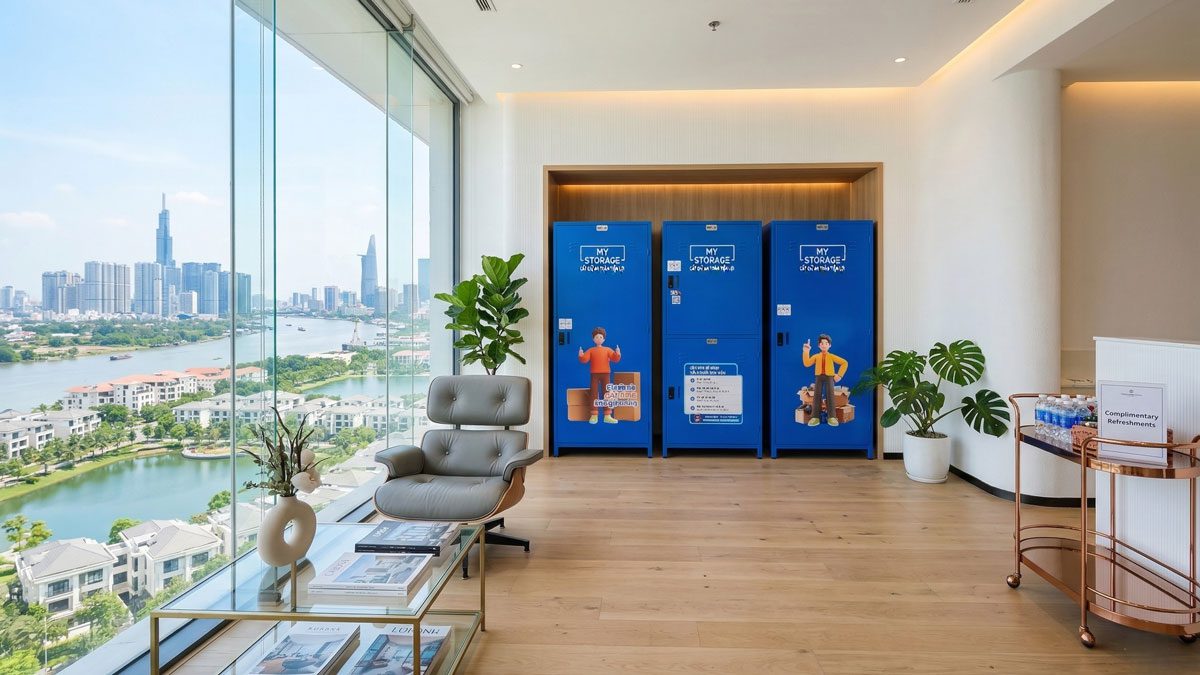
Amenities Create Reasons to Return
The cost of retaining an existing customer is 5–7 times lower than the cost of acquiring a new one. Recurring amenities such as parcel lockers or EV charging points create repeat visit habits without the shophouse needing to spend extra on marketing.
Locker users return to the shophouse area multiple times per week to collect e-commerce orders. Each return is an opportunity to see new products and decide to step inside. This is a natural traffic loop that requires no advertising.
| Amenity | Friction point solved | Measurable impact |
|---|---|---|
| Clear parking | Unable to find a spot | 30–40% increase in entries |
| Seating | No reason to stop | 35–50% increase in dwell time |
| WiFi and charging points | No reason to stay | 20–30% increase in dwell time |
| Storage lockers | Carrying items, inconvenient movement | 31% increase in average spending |
Ideal Locations and Business Models for Locker Implementation
Lockers operate most effectively when placed near entrances, waiting areas, or close to parking lots places where customers have a natural stopping point. The most suitable models include cafés, restaurants, fashion retail, and convenience stores. The right location combined with the right business model is the deciding factor for locker usage rates and actual revenue impact.
Not every shophouse benefits equally from lockers. The two factors determining actual effectiveness are where the locker is placed and what type of business is operating within that shophouse.
Ideal Locations to Place Lockers
Core principle: Place lockers at points where customers already have a natural reason to stop, rather than creating a new stopping point.
- Near the entrance is the most effective position. Customers see the locker as soon as they walk in and decide to store their items before heading deeper inside, remaining hands-free from the start rather than halfway through. Delivery drivers can also operate faster without needing to enter the main business area.
- Waiting areas and elevator lobbies are the second-best choice. People waiting have 30–90 seconds to look around and are ready to perform a short transaction. This is high-quality traffic because users are not in a rush to move.
- Near the parking lot or the entrance from the parking lot is suitable for shophouses with their own parking space. Customers can store items immediately before entering, integrating naturally with the journey from the vehicle to the store without extra steps.
Most Suitable Business Models
Lockers generate the highest value for business models with long dwell times and order values that depend on the customer’s level of comfort.
Cafés and F&B benefit the most. Hands-free customers order more items, sit longer, and don’t feel pressured to leave early due to concerns about their belongings. Average order value increases by 18–24% when customers don’t have to manage their bags while seated.
- Restaurants and dining are similar to F&B, particularly effective during lunch hours when office workers carrying laptops and work bags don’t want to place them under their feet or on a crowded dining table.
- Fashion and accessory retail benefit because customers can try on clothes more comfortably when they aren’t carrying bags. Customers entering a store with multiple bags often browse quickly and leave early. Hands-free customers browse more slowly and try on more items.
- Convenience stores and mini-marts in residential areas are perfect for e-commerce parcel pickup models, combining this with the purchase of consumer goods on the spot when they stop by to collect their items.
| Model | Reason for suitability | Main impact |
|---|---|---|
| Café / F&B | Long dwell time, need to be hands-free | 18–24% increase in order value |
| Restaurant | Office lunch, carrying work gear | Increase in lunch-hour traffic |
| Fashion retail | Trying on clothes requires mobility | Increase in trial and purchase rates |
| Convenience store | Parcel pickup combined with shopping | Increase in new foot traffic |
A shophouse with a great location but no reason for customers to stop will continue to see low footfall regardless of the marketing budget. The answer lies not in spending more on promotion, but in solving the small friction points that silently drive customers away: no parking, no seating, and no place to store belongings.
Self-service lockers are the lowest-cost amenity on the list but create the clearest chain reaction: hands-free customers stay longer, spend more, and return more often. With a partnership model requiring no upfront capital, shophouse owners have no reason not to try.
The right amenity, in the right place, within the right business model is the simplest formula to transform a shophouse from a place people pass by into a place people choose to visit.
Partner with MyStorage: https://hyperlocal.mystorage.vn/en