
 Tiếng Việt
 한국어
한국어 日本語
日本語Article· Updated August 30, 2026
Smart Self-Storage Solutions: A Beginner's Guide
Smart Self-Storage Solutions: A Beginner's Guide
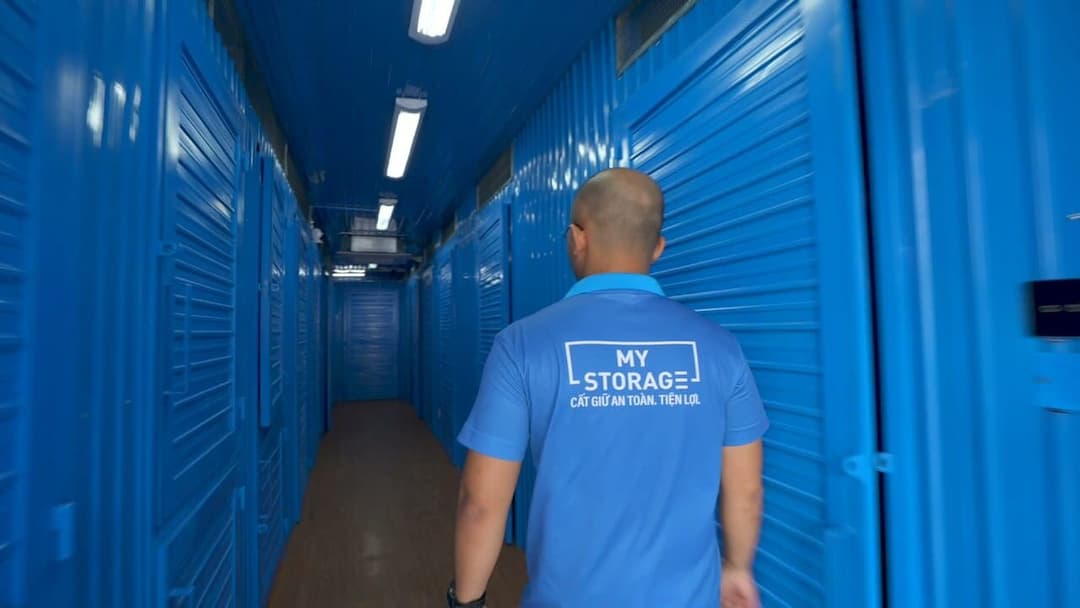
Self-storage solutions are becoming increasingly popular as space turns into a luxury for households and businesses. Hồ Chí Minh City has seen a significant rise in these convenient storage options, reflecting the expansion of Vietnam's logistics and transportation industry. Those looking for shared warehouse rentals will discover many appealing options. VietFul, for example, offers self-storage units ranging from 8m² to more than 1000m². MyStorage provides spaces starting from a compact 1m³, enough to hold 6-8 boxes, and extending up to 16m³ – enough room for the contents of a two-bedroom apartment. Store Mate's self-storage facilities offer 186 units ranging from 6.0 to 36.0 cubic meters, giving customers flexibility based on their needs.
In this article, we'll explore everything you need to know about self-storage rentals. We'll cover solutions to common storage problems, help you choose the right unit size, break down the costs, and offer a glimpse into smart storage trends. This comprehensive guide will help you make informed decisions about your storage needs.
Common Storage Problems and How Self-Storage Solves Them
Space has become a genuine challenge in today's compact homes and offices. You may need more storage space than ever before. Let's look at common storage problems and how self-storage can help solve them.
Lack of space at home or in the office
Living spaces quickly become cluttered when storage runs out, and this reduces productivity. Most modern homes do not have enough built-in storage for all our belongings. The challenge is even greater in cities, where living spaces continue to shrink.
A self-storage unit gives you a secure place to keep things you do not use every day. Moving these items into a rented self-storage unit frees up your living space. Your home stays tidy without the constant struggle against clutter.
These units do more than create space. They protect your belongings from damage that can occur in a cramped home. You can retrieve your things whenever you want without digging through crowded closets or basements.

Seasonal or event-related storage needs
Storing seasonal items can be complicated. Holiday decorations, winter clothes, summer sports equipment, and garden furniture are important at certain times but take up space when you do not need them.
Self-storage facilities work extremely well for seasonal belongings. You can keep these items safe and retrieve them when the season returns instead of cramming them into your home. This is especially useful if you live in a small apartment where every square meter counts.
Event organizers also appreciate these storage solutions. Weddings, corporate events, and trade shows require specialized equipment and decorations that need temporary storage. Shared warehouse rental is a budget-friendly solution for these occasional needs, avoiding the cost of purchasing permanent storage space.

Business growth and excess inventory
Storage problems often grow along with your business. Small businesses, especially those operating from small offices or homes, quickly run out of room for supplies, equipment, and documents.
Self-storage grows with your business and addresses these problems:
- Inventory management: Store excess goods without overcrowding your main workspace.
- Document storage: Keep important paperwork safe without using valuable office space.
- Equipment storage: Safely store seasonal or infrequently used business equipment.
- Cost-effective scaling: Self-storage costs far less than renting additional office or warehouse space.
Growing businesses value the flexibility of self-storage. Self-storage facilities often allow month-to-month rentals, unlike warehouses that require long-term contracts. This lets you adjust your storage space as your business grows or your needs change.
If your business is only beginning to grow, self-storage bridges the gap between keeping inventory at home and renting a full warehouse. You can easily expand your storage space without taking on the substantial costs associated with larger commercial premises.
How to Choose the Right Self-Storage Service
The right self-storage unit will keep your belongings safe and readily available. Making the right choice saves time and money while preventing future problems. This applies whether you are storing household items, business inventory, or seasonal equipment.
Assess your storage needs
Take inventory of what you plan to store before reviewing your options. Make a complete list of your belongings and group them by size, how often you will need them, and any special storage requirements. This simple step gives you a clear picture of how much space you need instead of guessing and paying too much.
The nature of your items requires careful consideration. Electronics, antiques, and documents may need climate-controlled space to stay safe from humidity and temperature changes. Temperature control also protects furniture, clothing, and appliances from mold and warping.
There is another reason to consider your future storage needs. Renting a slightly larger unit from the outset can save money compared with upgrading later if you expect to acquire more belongings or expand your business. A smaller unit may be enough if you plan to reduce your inventory.
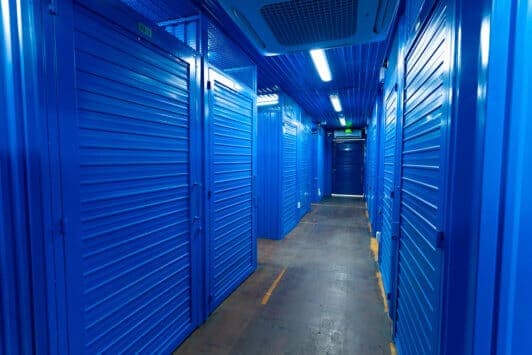
A unit measuring approximately 2.3 m² (equivalent to 5×5 feet) is like a small closet – perfect for boxes and seasonal items. A unit measuring around 9.3 m² (equivalent to 10×10 feet) can hold the contents of a one-bedroom apartment, while a unit measuring around 27.9 m² (equivalent to 10×30 feet) can accommodate the entire contents of a four-bedroom home.
Comparing self-storage and shared warehouse rental
The choice between self-managed storage and shared warehouse rental depends on your specific requirements and resources.
Self-managed storage gives you complete control over your storage space. It is like having a private storage area where you arrange items according to your priorities. You can access your belongings at any time without extensive paperwork. Businesses with changing inventory and frequent access needs benefit most from this setup.
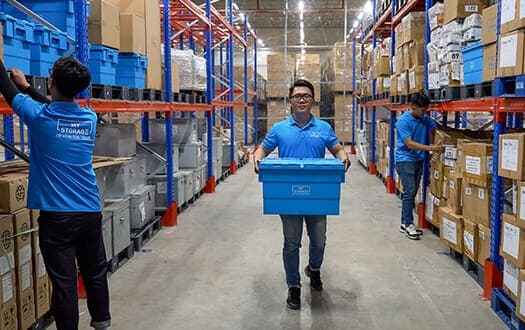
Shared warehouse rental offers a more structured approach. These facilities often include professional management services and extras such as security systems and inventory tracking. Businesses considering these options should understand that self-managed storage requires a larger initial investment in infrastructure, personnel, and management systems.
Cost is an important factor when choosing between these options. Self-managed storage requires a substantial upfront investment in facilities, staff, and maintenance systems. Renting self-storage turns fixed costs into variable costs, allowing you to manage your budget more effectively because you pay only for what you use.
Evaluating location and accessibility
Location significantly affects your storage experience. Having a unit near your home or workplace saves time, especially if you need to retrieve items frequently. Visit the facility in person to inspect the condition of the units, cleanliness standards, and quality of customer service.
Pay particular attention to accessibility features. Check door mechanisms and entrances for ground-floor units. The best facilities have ramps spanning the full width of each unit. This supports wheelchair users and makes loading and unloading easier for everyone. ADA (Americans with Disabilities Act) guidelines state that facilities should make all but one of their first 200 units accessible, with 2% of additional units meeting these standards.
Security is a crucial consideration. Look for sturdy fencing, surveillance cameras, electronic access control, and attentive staff. Clean and orderly surroundings often show management's commitment to security and service quality.
Ask about requirements or hidden fees before signing a contract. Some facilities require a minimum rental period or add unexpected charges later. Thorough research now will help prevent problems in the future.
What to Expect When Renting Self-Storage
The right storage solution will set you up for success. Renting self-storage follows standard steps designed to protect both you and the storage provider.
The rental process and required documents
Renting a self-storage unit is straightforward but requires the correct documentation. You will need a valid government-issued ID – a driver's license, passport, national ID/citizen identification card, or military ID will all work. This verifies your identity and helps keep the facility secure.
Next comes the rental agreement. This legally binding document sets out your rental terms. Read it carefully because it includes essential details such as:
- Unit description and dimensions
- Rental term and payment schedule
- Deposit amount and related terms
- Accepted payment methods
- Consequences of late payment
- Tenant and landlord responsibilities
- Cancellation policy
- Prohibited items
- Move-out procedures
The facility may adjust certain terms if you plan to stay long term. Do not hesitate to ask about your specific needs.
Security features and access control
Modern self-storage facilities have reliable security systems to protect your belongings. Look for these essential security features:
- Cameras monitor and record all activity at the facility around the clock. This helps deter intruders and documents any issues that may arise.
- Access controls range from keypad codes to high-tech options such as fingerprint scanning. MyStorage uses personal access codes and fingerprint security to protect its units.
- Unit alarms quickly notify staff if someone attempts to break in. Facilities remain well lit to deter unwanted visitors.

Additional services such as transportation and packing
Today's storage providers offer complete solutions beyond storage space. Many self-storage facilities provide:
- Transportation services to move your belongings
- Packing materials, including boxes and tape
- Logistics support for businesses
- Climate-control options for sensitive items
- Transportation support for remote storage needs
MyStorage handles everything from site inspections to packing and moving. They can collect your belongings or return part of your stored items whenever needed. This makes the entire process easier.
These additional services are an excellent way to get more value. They can save you money compared with hiring separate companies for each task.
Cost Breakdown and Budgeting Tips
The financial side of renting self-storage deserves your attention before you sign up. Smart budgeting can save thousands of đồng in additional costs later.
Monthly versus long-term rental rates
Self-storage rental costs range from 1.779.038 VNĐ to 7.624.450 VNĐ per month. Most people pay around 4.574.670 VNĐ per month. The structure of your rental agreement can significantly affect these costs.
Monthly rentals give you flexibility. Students and renters who need short-term storage appreciate this pay-as-you-go arrangement. But if you plan to store your belongings for more than a few months, long-term contracts make greater financial sense.
Many facilities offer discounts for longer commitments. Long-term storage costs more upfront but saves money if you need it for more than a year. This works especially well when storing vehicles or furniture for extended periods.
How to avoid unnecessary costs
Hidden fees can quickly inflate your storage budget. Many facilities charge additional fees beyond their advertised rates:
- Account setup and administration fees
- Monthly insurance fees (mandatory at some facilities)
- Refundable or non-refundable cleaning fees
- Credit card processing fees
Choosing the right unit size helps control your costs. Storage prices depend on size. Small units start at 1.779.038 VNĐ per month, while larger spaces cost up to 7.116.153 VNĐ.
Climate control adds around 254.148 VNĐ to your monthly bill. Consider carefully whether you truly need this feature.
Full-service packages and discounts
Storage facilities offer more discount programs than other moving services. Look for promotions such as “the first month free” or rates as low as 25.414 VNĐ for your first month.
Seasonal promotions can reduce costs by 10-25%, although conditions apply. Companies also offer special rates for military personnel, students, seniors, and referrals.
If you are a business or long-term renter, discuss your rate directly with the facility. They value stable income and may offer discounts for longer commitments. You may save even more by bundling storage with a moving truck or packing supplies.

Future Trends in Smart Storage Solutions
The self-storage industry is undergoing a technological revolution that is transforming traditional storage units into smart, responsive spaces. These new developments make storage more efficient and accessible while also making it more environmentally friendly.
Technology in storage management
Artificial intelligence (AI) is leading the transformation of how we manage storage. Storage facilities now use AI for important tasks such as tiering, migration, optimization, and system failure prediction. This technology creates a more responsive experience by studying how users access their files and moving frequently used files to faster storage tiers.
AI-based security systems can detect potential threats by identifying unusual data-access patterns. These systems act immediately when they detect suspicious activity such as ransomware attacks. They prevent major damage and automatically restore encrypted files.
Self-storage businesses use AI to allocate resources more effectively by analyzing usage patterns and system performance. This approach helps reduce costs and improve operations.
On-demand storage and mobile apps
Mobile technology plays an important role in modern self-storage solutions. Storage facilities now offer convenient features through smartphone apps, including scannable access codes and RFID cards for easy entry.
Users receive practical features such as payment reminders, account-management tools, and direct security alerts. This technology creates a safer environment and improves customer satisfaction. People feel more positively about the service when they can manage their storage through user-friendly apps.
Eco-friendly and modular self-storage
Green practices are now shaping the direction of the storage industry. Self-storage units powered by renewable energy sources such as solar panels help reduce carbon emissions. These facilities reduce their reliance on fossil fuels and demonstrate their commitment to the environment.
The modular storage market is growing rapidly as cities expand and people need customizable storage options. Younger consumers favor these adaptable designs. Target has installed more than 600 modular storage rooms, while Amazon's fulfillment network has added 150 million cubic feet (approximately 4.2 million cubic meters) using modular solutions.
Companies now manufacture storage products from recycled materials. Many offer modular units built from reclaimed wood, straw pulp, and plastics containing more than 50% recycled content. This shift toward sustainable materials continues to drive the industry forward.
Conclusion
Self-storage has evolved from a basic space solution into a sophisticated service industry that meets many different needs. This article has shown how self-storage helps organize homes, handle seasonal storage challenges, and manage business inventory. Choosing the right self-storage unit depends on several factors – size requirements, an accessible location, and security systems that keep belongings safe.
A smooth storage rental experience starts with thorough preparation. Modern storage facilities do more than rent space – they provide complete solutions through proper documentation, security measures, and additional benefits such as transportation support.
Smart financial management plays an important role in choosing storage options. Long-term contracts often offer better value than monthly agreements, but you need to balance the cost of flexibility against your timeline. You can reduce storage costs by using promotions, service packages, and rate negotiations.
The self-storage industry continues to become more advanced. AI-powered systems, mobile access, and green designs show where self-storage is headed next. These changes will make storage safer and more environmentally responsible.
Self-storage gives you the flexibility to address many different challenges – from temporary space during a move to seasonal storage for holiday items or permanent inventory storage solutions for businesses. The information in this guide will help you find the ideal self-storage rental solution for your specific needs.
Related articles
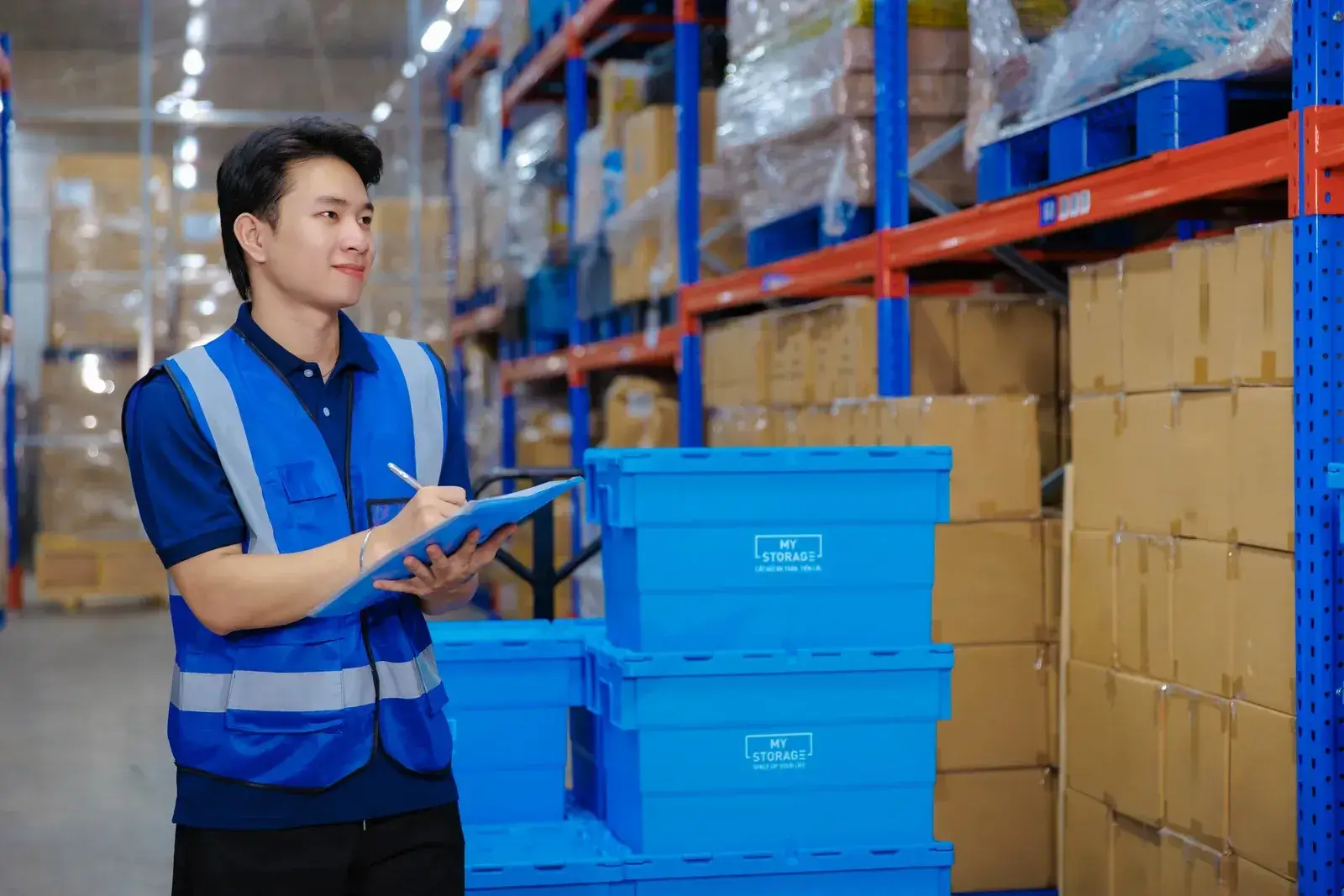
Article
Rent a Ready-Built Warehouse or Build Your Own? Comparing Costs and Timelines
When expanding storage and distribution capacity, business leaders often face a critical strategic decision: should they rent a ready-built warehouse or invest their own capital in building…
Read article

Article
Can You Use an Apartment as a Warehouse or Office? Space Solutions for Online Shops and Small Businesses
Is it legal to rent an apartment as a warehouse or office? Explore the rules, risks, and suitable storage solutions for online shops and small businesses.
Read article
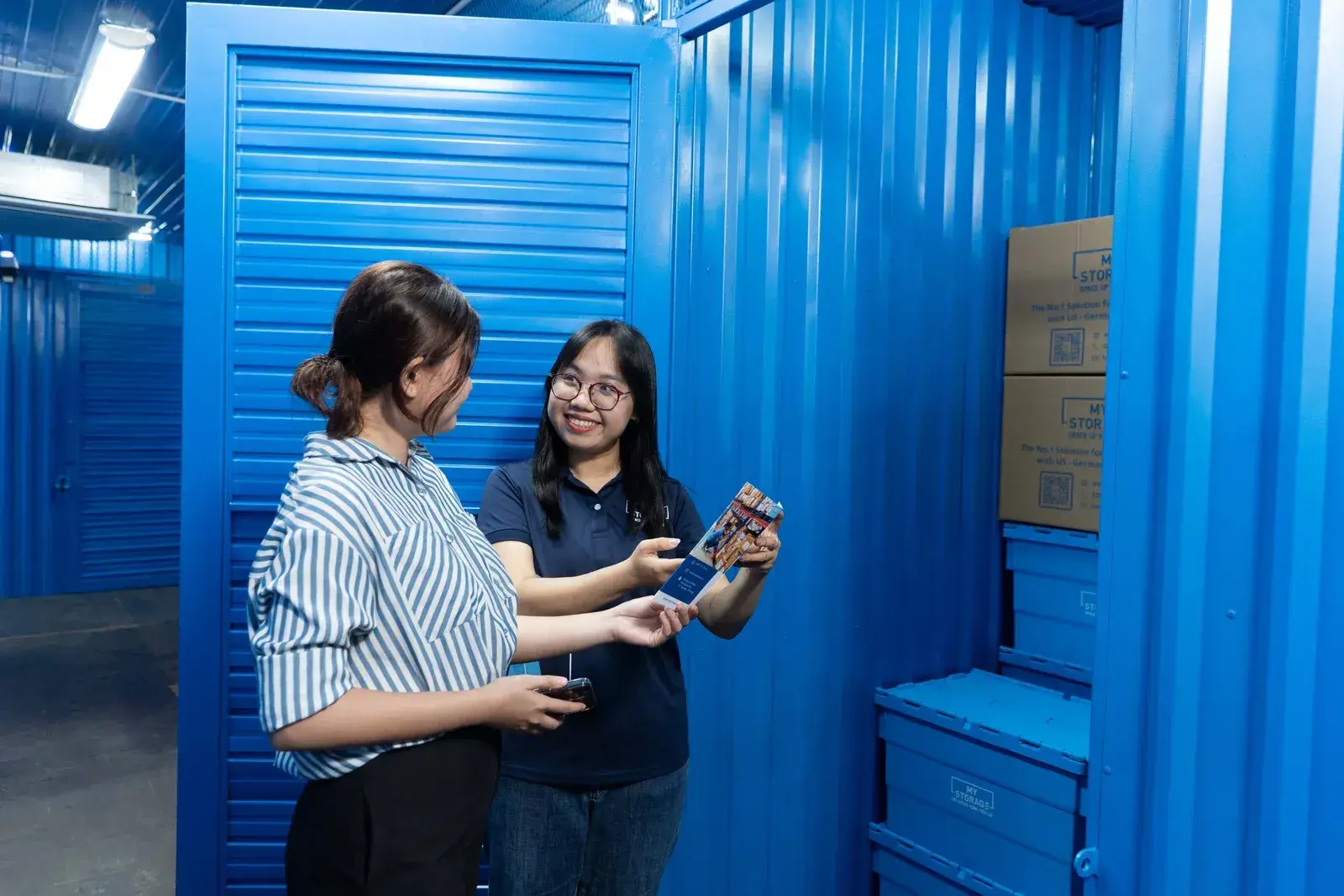
Article
Combining Storage Rental and Livestreaming for Online Shops: An Efficient Operating Model
Combining storage rental with a livestreaming space is a modern operating solution that allows online sellers to integrate product storage, sample preparation, live sales sessions, and…
Read article
