
 Tiếng Việt
 한국어
한국어 日本語
日本語Article· Updated August 30, 2026
Warehouse Rental Mistakes: What Most Business Owners Get Wrong
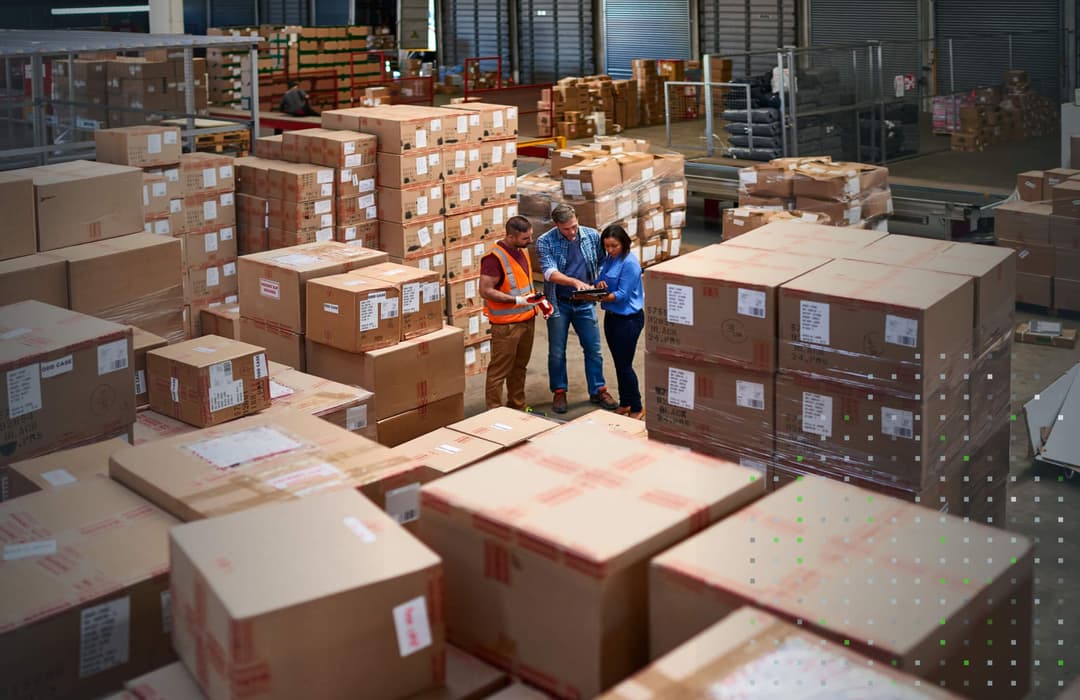
Businesses need warehouse rental services more than ever as they seek to optimize their supply chains and reduce operating costs. Companies are turning to warehouse rental solutions to avoid the enormous upfront investment required to build and maintain their own storage facilities. The benefits are clear, yet business owners still make serious mistakes when searching for a warehouse rental. Your profits will suffer if you choose the wrong type of warehouse rental for your goods or overlook important location factors. Small and medium-sized businesses without the capital to build their own facilities often underestimate the flexibility offered by warehouse and factory rentals. In addition, companies struggle to assess the true cost of a warehouse rental, which varies according to location, size, and amenities. Most businesses misunderstand the legal aspects of warehousing service agreements and miss out on government tax incentives for warehouse rentals. This article explores the five most common mistakes made when looking for a warehouse rental and shows you how to avoid them.
05 Common Mistakes Businesses Make When Renting a Warehouse
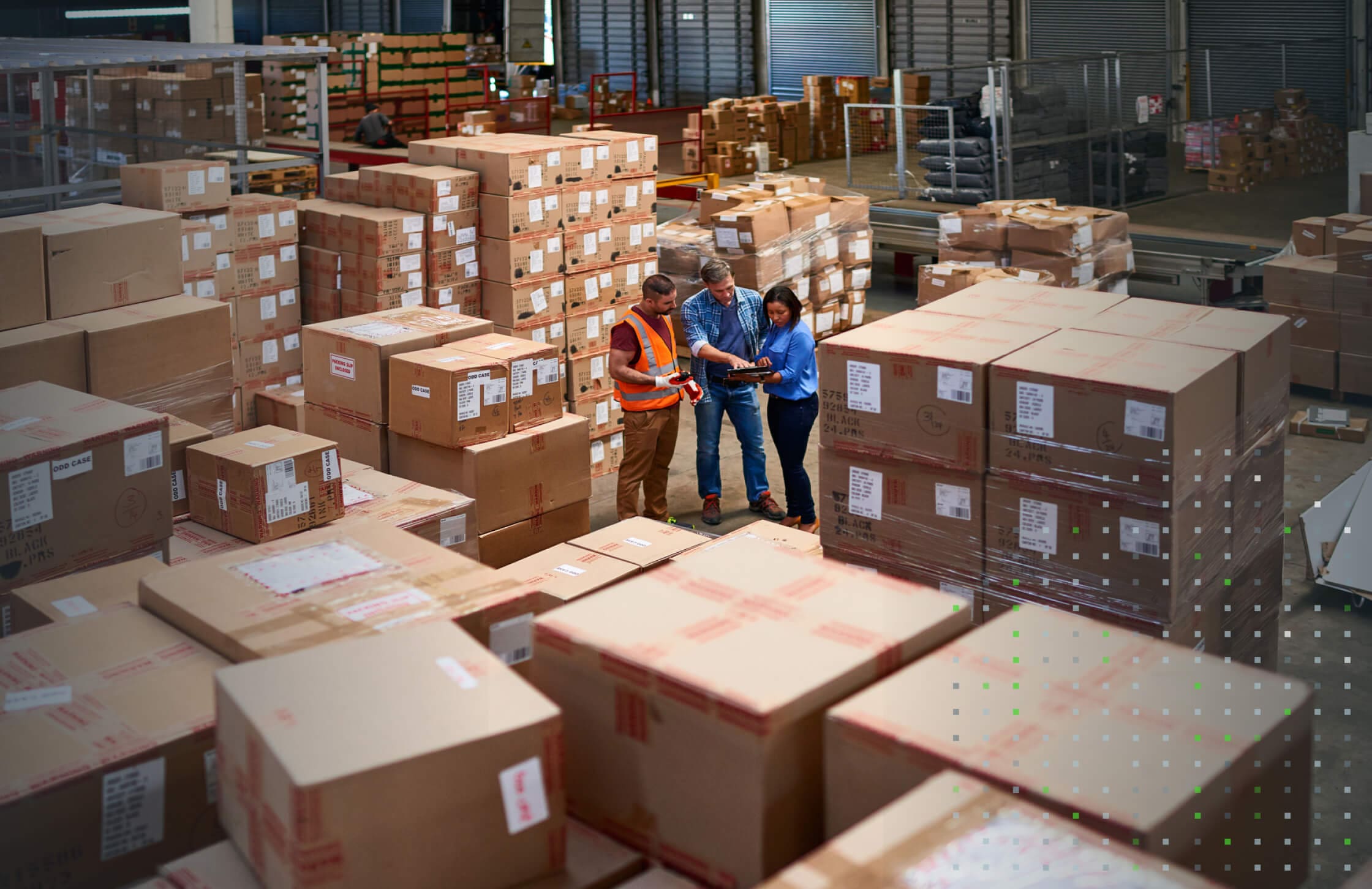
Mistake #1: Underestimating Space and Layout Requirements
Common problem: Many businesses make costly warehouse rental mistakes because they fail to calculate their space requirements correctly. This is not just about square footage; it also involves layout, operational flow, and running costs.
Why space planning matters
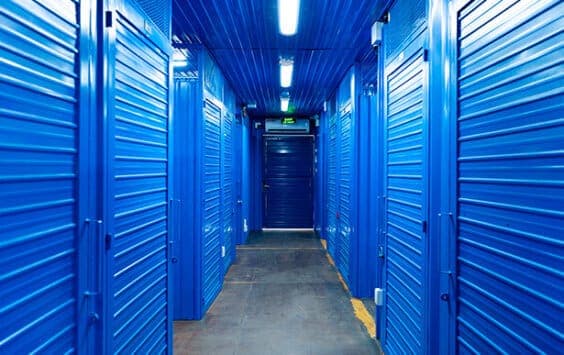
According to the Warehousing Education and Research Council, average warehouse utilization is only 68%, showing that most businesses do not use their space effectively. By contrast, ideal utilization is generally between 22–27%, including work and circulation areas. Once capacity exceeds 85%, congestion begins to significantly disrupt the entire supply chain.
Common mistakes when estimating space
Ignoring vertical space: Few businesses make full use of warehouse height with high-density racking or mezzanine floors.
Forgetting non-storage areas: Receiving, administrative offices, and packing all require dedicated space.
Lacking a long-term plan: Growth and peak seasons can quickly overwhelm a warehouse.
Inaccurate inventory forecasting: Product dimensions, stackability, and shipping frequency have a major impact on actual space requirements.
Impact on operations and costs
Labor accounts for up to 60–65% of a warehouse budget, and a poor layout increases this figure by wasting travel time. Cramped warehouses are more likely to cause accidents and product damage, while excess space means paying unnecessary rent and maintenance costs. According to CBRE, global warehouse rents rose by 28,7% between 2011–2015 and have continued to trend upward, making space decisions vital to cost optimization.
Mistake #2: Choosing the Wrong Type of Warehouse
Common problem: Many businesses rent a warehouse but choose the wrong type. The result is higher costs, damaged goods, and operational delays.
Causes:
Failing to distinguish between the different types of warehouses in the supply chain.
Lacking knowledge of product characteristics and storage requirements.
Main warehouse types:
Supply warehouse – stores large quantities of raw materials.
Stock warehouse – holds goods for the long term.
Transshipment warehouse – supports the rapid movement of goods.
Distribution warehouse / Fulfillment center – picks, packs, and ships orders directly to customers (commonly used in e-commerce).
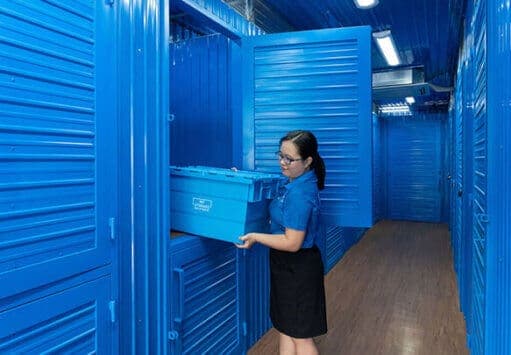
The size and layout of a warehouse depend on the type of storage and the goods being stored. Products differ in material, weight, dimensions, storage requirements, value, and the speed at which they move through the system. Businesses that overlook these details when choosing warehouse and factory rental services often face major problems.
Typical examples:
Cold storage: suitable for fruit, vegetables, dairy products, meat, seafood, and medicines.
Dry storage: suitable for grains, beans, nuts, and spices.
Factors to consider when choosing a warehouse rental:
- Product characteristics (perishable, high-value, bulky…).
Business model (online → fulfillment center, offline → distribution center).
Budget (cold storage costs more to build & operate).
Inventory turnover rate.
Solution:
Carefully analyze your supply chain requirements.
Combine several warehouse types (for example, cold storage for fresh goods and dry storage for packaging).
Consult a logistics expert before deciding to rent.
Mistake #3: Overlooking Location and Logistics Accessibility
The success of your logistics operations largely depends on where you strategically locate your warehouse. The right location can optimize transportation costs and supply chain performance. Many business owners do not give this crucial factor enough consideration when looking for a warehouse rental.
How Location Affects Delivery Times and Costs
Studies show that reducing the transport distance by just 10 miles (approximately 16 km) can shorten delivery times by 5-10%. This improvement has a significant impact on customer satisfaction. Around 75% of customers are more likely to recommend a brand that delivers quickly.
A warehouse rental near key markets enables you to offer same-day or next-day delivery options. This helps meet customer expectations for fast delivery. Smart positioning also reduces transportation costs. A 10% shorter transport distance typically cuts transportation costs by 3-5%.
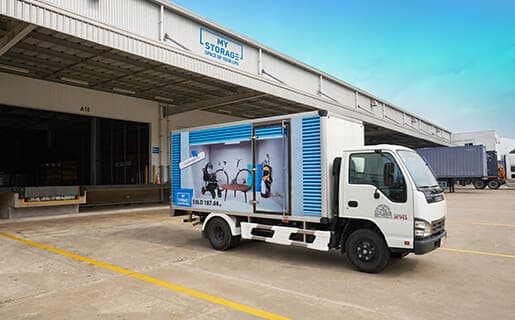
Here is a striking example: Moving a warehouse just 30 minutes farther away from the customer base can increase fleet costs by 91.493,40 million VND per year for a business operating 400 trucks. Small changes in warehouse rental location can have major financial consequences.
Proximity to Ports, Highways, and Customers
The right warehouse rental location should provide easy access to major transportation networks. The speed of your supply chain depends on how quickly goods can move through the facility.
Warehouses near these key points give you clear advantages:
- Transportation hubs: Easy access to highways, railways, and airports gives you more shipping options and reduces dependence on a single mode of transport when using a warehouse rental.
- Customer markets: An optimal position between suppliers and customers reduces both inbound and outbound costs.
- Ports and customs facilities: Proximity to ports makes international shipping easier and accelerates customs clearance.
The growth of e-commerce has placed even more pressure on delivery times. Companies now value speed over cost and have changed their warehouse rental location strategies accordingly.
The Consequences of Poor Location Selection
A poorly chosen warehouse rental location creates ripple effects throughout your supply chain. A warehouse in a busy urban area usually costs more and faces traffic-related delays.
Limited access to transportation infrastructure reduces shipping options. Locations with poor highway connections or situated far from ports require additional transportation stages that consume more time and money.
An Iranian case study illustrates this challenge clearly. When selecting a site for an automotive parts warehouse, researchers found that basic cost models overlooked key factors such as transportation infrastructure and market accessibility. Companies that fail to analyze these factors often choose warehousing service locations that appear inexpensive but ultimately increase costs and leave customers dissatisfied.
Mistake #4: Underestimating Legal and Safety Compliance
Businesses often overlook legal compliance in their rush to find warehouse rental space. This oversight not only threatens operations but also poses serious risks to personnel and stored goods.
Fire Safety and Fire Prevention Regulations
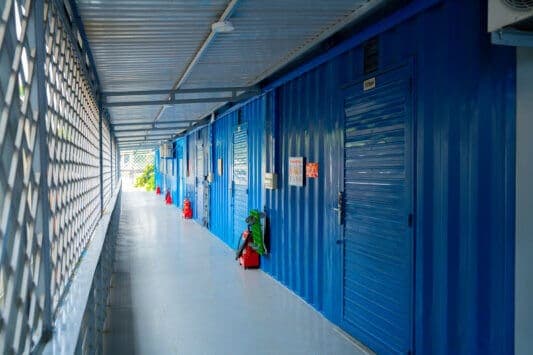
Fire prevention and firefighting requirements are central to warehouse safety compliance. The Law on Fire Prevention and Fighting requires warehouse rental operators to install fire alarm systems, fire sprinklers, and suitable emergency exits that meet national standards.
Every warehousing facility needs specified fire-resistant building materials and an appropriate ventilation system to control smoke and heat. The Regulatory Reform (Fire Safety) Order designates a “responsible person” who must assess risks, maintain evacuation procedures, and keep emergency exits clear at all times.
Companies that disregard these regulations face severe penalties. These may include heavy fines or imprisonment in serious cases.
Missing Legal Documents and Permits
Operating a warehouse rental requires various permits and registrations depending on what you store. The necessary documents include:
- A fire safety eligibility certificate from the Fire Prevention, Firefighting and Rescue Police Department.
- Site planning approval from local development authorities.
- A registration certificate under labor law.
- Compliance with the Law on Measurement for storage capacity.
- Environmental impact permits for specific types of goods.
The rules become stricter for hazardous materials. Tenants handling chemical products must have the appropriate environmental permits. Warehouses storing agricultural produce must register under the Warehousing Development and Regulation Act (if corresponding regulations apply in Vietnam).
Risks of Non-Compliance in Warehouse Rental Agreements
Legal compliance issues create problems that extend beyond immediate penalties. Authorities may shut down warehouse rental facilities that pose fire or explosion hazards or seriously violate safety regulations. Insurance companies may void coverage – a devastating blow after warehouse disasters such as fires or floods.
Reputational damage from safety incidents lasts longer than financial penalties. Companies face angry customers, boycotts, and negative press that severely undermine customer trust. Today’s regulatory environment requires more than simply avoiding fines. Your company’s reputation and operational continuity depend on compliance with warehouse rental regulations.
Mistake #5: Failing to Review Service Terms and Hidden Costs
Unclear terms and conditions
Many businesses rush to sign warehouse rental agreements without carefully reading the terms, exposing themselves to financial and legal risks. A standard agreement usually includes information about the leased property, term, rent, utility costs, security deposit, and usage restrictions. Ambiguous contract language can put tenants at a disadvantage. According to a CBRE survey, more than 40% of SMEs in Vietnam reported experiencing difficulties caused by a lack of contract transparency.
Hidden costs in warehousing services
Commonly overlooked costs include:
General service fees (Outgoings) & CAM charges: range from 15–35% of the base rent.
Maintenance: unclear division of responsibilities between tenant and landlord.
Mandatory insurance: may add another 5–10% to the total cost.
Ancillary service fees: security, cleaning, and management.
According to JLL, hidden charges can increase the total rental cost by 30–40% over the initially advertised price.
The importance of transparency
Businesses should request a detailed breakdown of every cost before signing an agreement, negotiate limits on annual fee increases, and clearly define maintenance responsibilities. Consulting a commercial real estate lawyer can help identify unfavorable terms and protect your interests.
Beyond the contract, a transparent relationship with the warehousing provider – covering management, costs, and operations – will help the business control expenses more effectively over the long term.
The decision to rent a warehouse directly affects costs, operational efficiency, and the entire supply chain. Five common mistakes – misjudging space requirements, choosing the wrong warehouse type, selecting a poor location, overlooking legal considerations, and underestimating contract terms – can all burden businesses with high costs, logistics bottlenecks, and legal risks.
Many businesses still sign agreements too hastily, without sufficient analysis and planning, resulting in hidden costs and operational disadvantages. A more careful process that includes identifying actual needs, thoroughly researching locations, consulting logistics experts, and reviewing contracts in detail will reduce risks and optimize costs.
As market demand and technology continue to change, avoiding these mistakes not only helps businesses maintain stable operations but also creates a competitive advantage. A warehouse rental is more than simply a place to store goods – it is a strategic link in the supply chain that directly affects the customer experience and the bottom line.
Related articles

Article
Rent a Ready-Built Warehouse or Build Your Own? Comparing Costs and Timelines
When expanding storage and distribution capacity, business leaders often face a critical strategic decision: should they rent a ready-built warehouse or invest their own capital in building…
Read article

Article
Can You Use an Apartment as a Warehouse or Office? Space Solutions for Online Shops and Small Businesses
Is it legal to rent an apartment as a warehouse or office? Explore the rules, risks, and suitable storage solutions for online shops and small businesses.
Read article

Article
Combining Storage Rental and Livestreaming for Online Shops: An Efficient Operating Model
Combining storage rental with a livestreaming space is a modern operating solution that allows online sellers to integrate product storage, sample preparation, live sales sessions, and…
Read article
