
 Tiếng Việt
 한국어
한국어 日本語
日本語Article· Updated October 19, 2026
How to Protect Wooden Furniture During the Rainy Season: Prevent Mold and Warping
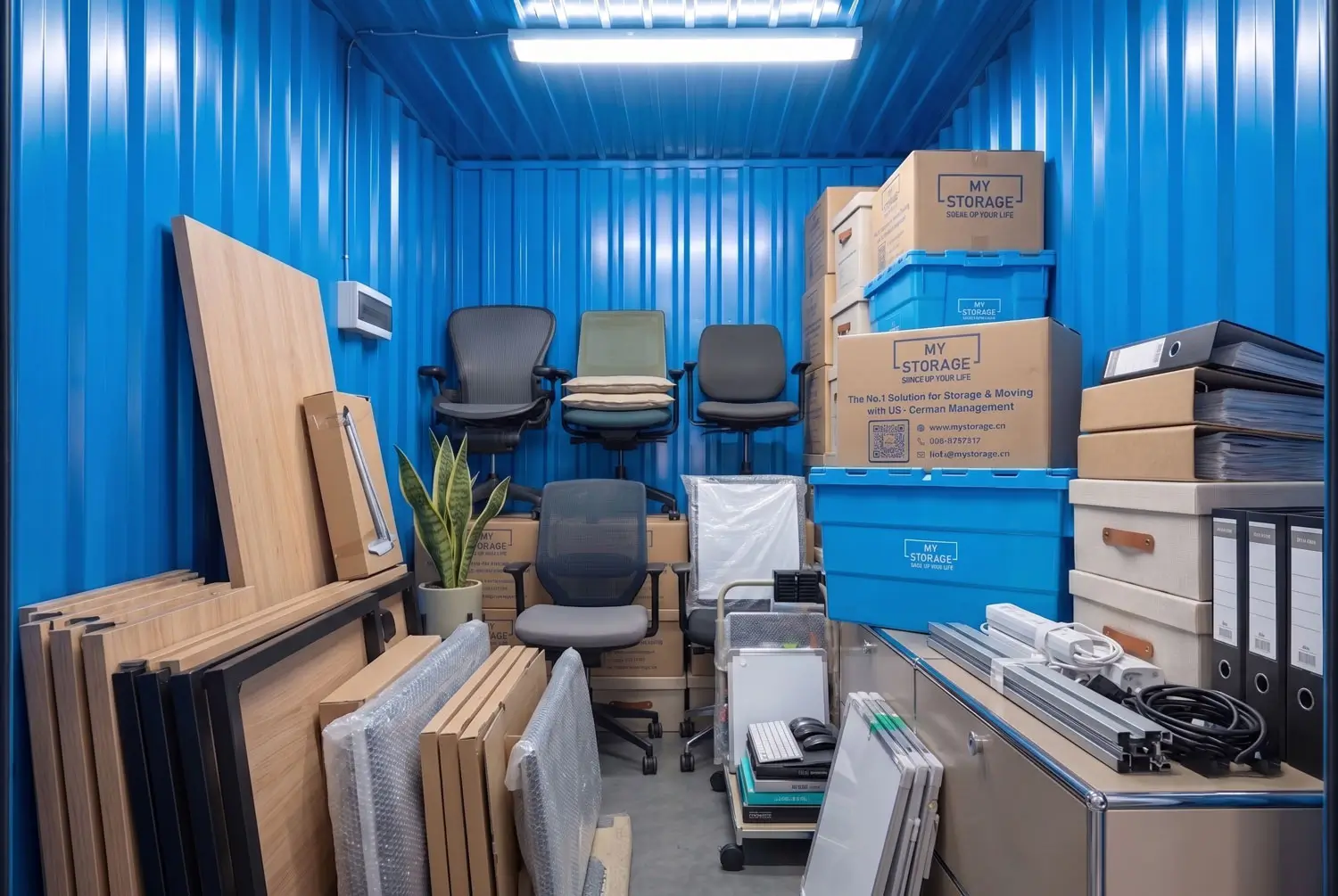
To protect wooden furniture during the rainy season, keep it away from standing water and damp walls, allow air to circulate and make sure every item is completely dry before it is covered or packed. Wood continues to exchange moisture with the surrounding air, so a finish alone cannot replace sensible humidity management.
Why Wooden Furniture Is Vulnerable in the Rainy Season
High humidity, leaks and condensation can make wood swell, warp or develop mold. These risks increase in enclosed rooms, ground-floor spaces and areas with little airflow.
How humidity affects wood
- When relative humidity rises, wood absorbs moisture and may expand or distort.
- When the air becomes drier, wood releases moisture and can shrink, crack or open at joints.
Research from the USDA Forest Products Laboratory explains why wood’s moisture content changes with its environment. This is especially important for panel furniture, joints and veneered surfaces.
Early warning signs
- White or dark spots, a musty smell, or a raised finish
- Doors and drawers that no longer close smoothly
- Loose joints, peeling veneer or new cracks after the item dries
Moisture also affects fabric, paper and other belongings stored inside furniture. A rainy-season storage plan for household belongings should therefore consider the whole room, not only each wooden surface.
7 Practical Ways to Protect Wooden Furniture
- Keep furniture off the floor. Use feet, risers or pallets where water can collect.
- Leave a gap from walls. This improves airflow and makes the back of each item easier to inspect.
- Manage indoor humidity. EPA guidance recommends keeping indoor relative humidity below 60%, ideally between 30% and 50% when practical.
- Check for leaks. Inspect roofs, windows, pipes and air-conditioning drainage before prolonged rain.
- Dry wet items quickly. Wipe water away, ventilate the area and use a dehumidifier if needed.
- Maintain suitable finishes. Paint, varnish and oil slow moisture transfer but do not make wood waterproof.
- Inspect hidden areas. Check undersides, backs, drawers, joints and corners regularly.
The US Environmental Protection Agency advises drying wet materials and affected areas within 24–48 hours to reduce mold risk.
What to Do When Furniture Gets Wet or Smells Musty
Fresh water exposure
Remove surface water immediately, increase airflow and allow the item to dry thoroughly before using or covering it again. Avoid sealing damp furniture under plastic.
Musty odor without visible mold
- Find the moisture source and inspect the back and underside.
- Improve ventilation and lower the room’s overall humidity.
- Do not mask the odor or close the item tightly while moisture remains.
Visible mold
Light surface mold may be cleaned with methods suitable for the finish, then dried fully. If mold is widespread, water exposure was prolonged or the piece is valuable, seek professional assessment rather than using harsh products indiscriminately.
Packing and Storing Wooden Furniture During the Rainy Season
Disassemble where practical, photograph the item and label fittings. Clean and dry every surface first, then use breathable protective materials and keep furniture raised from the floor. Remove clothes, bedding and papers from cabinets and pack them separately; see these tips for storing clothing and fabrics to avoid moisture damage.
Storage checklist
- Confirm the furniture is dry inside and out.
- Protect corners and separate surfaces that may rub together.
- Leave a small gap from walls and the floor.
- Record the item condition and check it periodically.
Should You Rent Storage for Wooden Furniture?
Storage can be helpful during renovation, a move, a long business trip or when your home cannot stay dry and ventilated. Choose the unit based on the actual condition of the facility, access needs and the volume of furniture—not the price alone. A self-storage unit can suit flexible access, while climate-controlled space may be more appropriate for moisture-sensitive items.
|
Criterion |
Standard storage |
Climate-controlled storage |
|---|---|---|
|
Best for |
Short-term, less sensitive items |
Longer storage or moisture-sensitive furniture |
|
Key check |
Dryness, airflow, leaks and cleanliness |
Temperature/humidity control and monitoring scope |
|
Decision basis |
Actual facility conditions |
Actual controls at the selected storage area |
Cost considerations
Compare units on the same rental period and include transport, packing, handling and any additional service fees. For a smaller quantity of items, reviewing mini-storage pricing and size selection can help avoid paying for unused space. Request a current quotation for your exact furniture and storage period.
Frequently Asked Questions about Storing Wooden Furniture in the Rainy Season
1. What should I prioritize first?
Keep furniture dry, elevated, ventilated and away from damp walls.
2. What humidity level helps reduce mold risk?
Keep indoor relative humidity below 60%; 30–50% is a useful target when it can be maintained.
3. What should I do if furniture gets wet?
Wipe it immediately, increase airflow and make sure it is fully dry before covering it.
4. Should I wrap wooden furniture tightly in plastic?
Not while any moisture remains, because trapped moisture can encourage mold.
5. Why should furniture not sit directly on the floor?
Raising it reduces contact with damp floors and improves airflow.
6. Is a musty odor important if there is no mold?
Yes. It often indicates a moisture issue that should be found and corrected early.
7. Can I clean mold myself?
Light surface mold may be manageable; widespread mold or valuable pieces need professional advice.
8. Is air conditioning alone enough?
No. Also consider actual humidity, leaks, airflow and inspection routines.
9. When is rented storage worth considering?
During renovation, relocation, lack of space or storage lasting weeks to months.
10. What costs should I include?
Include rent, transport, packing, handling and any optional services in the quotation.
Related articles

Article
Warehouse Storage Pallets: Choosing, Stacking and Optimising Space
A guide to warehouse pallets: comparing wood, plastic and metal, ISO 6780 size standards, the difference between static, dynamic and racking load, brick-bond stacking rules, warehouse…
Read article

Article
Renting Storage by m³ or m²: Which Pricing Method Should You Choose?
Comparing storage rental by m² and by m³ in Ho Chi Minh City: what each unit measures, the formulas with worked examples, the extra fees people miss, when to choose area or volume, a…
Read article

Article
The Role of Storage in Reducing Waste
How proper storage cuts waste: why poor conditions spoil goods, how businesses control stock and track four key metrics, how households sort before discarding, and the warehouse standards…
Read article
