
 Tiếng Việt
 한국어
한국어 日本語
日本語Article· Updated October 19, 2026
Rainy-Season Storage: Protecting Household Belongings and Business Goods from Damp and Mold
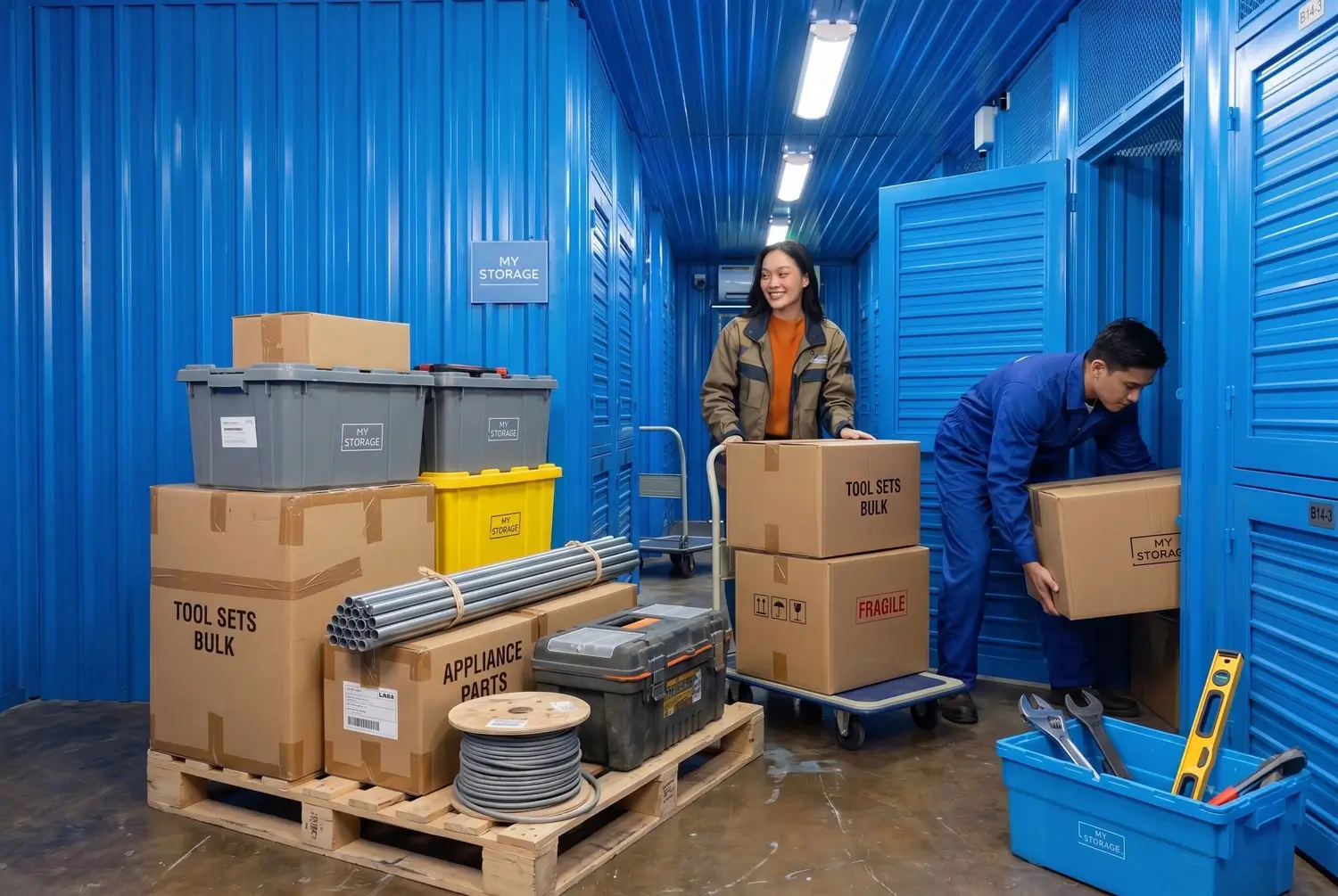
High humidity during the rainy season can leave clothing, leather goods, wooden furniture, books, documents, electronics and stored stock moldy, musty or damaged. Before storing anything, dry it thoroughly, choose suitable packaging, keep it off floors and away from walls, allow air to circulate and monitor the storage environment. For valuable items or longer storage periods, temperature- and humidity-controlled storage may be more suitable than an ordinary room.
Why Do Belongings Develop Mold During the Rainy Season?
Rising humidity, temperature changes, enclosed spaces, poor ventilation and moisture already inside belongings all contribute. Organic materials such as fabric, leather, paper, wood and cardboard are especially vulnerable to prolonged exposure to damp conditions.
How Does High Humidity Affect Belongings?
The effects vary by material:
- Mold grows more readily when relative humidity remains high for an extended period, particularly on fabric, leather, paper and wood.
- Organic materials absorb moisture from the air and may soften, swell, warp or peel.
- Metals can oxidize, while electronic circuits and contacts may corrode.
- Musty odors penetrate fibers and linings and can be difficult to remove completely.
Why Can Closed Rooms and Cupboards Become Moldy?
Shutting a cupboard or room does not necessarily protect its contents from moisture:
- Without airflow, moisture remains trapped instead of escaping.
- Items put away slightly damp release water vapor and gradually raise humidity inside the enclosure.
- Cupboards against external walls or walls affected by seepage are often cooler and damper than the rest of the room.
- Dark spaces that are rarely opened allow mold to develop unnoticed.
What Is Condensation, and Why Does It Cause Damage?
Condensation occurs when warm, humid air meets a cooler surface and water vapor turns into droplets. Common examples include:
- Metal warehouse roofs during rain and sudden temperature changes.
- Cold walls or floors near air-conditioned areas.
- Sealed boxes moved from an air-conditioned room into hot, humid surroundings.
Condensation can wet belongings from the inside even without a roof leak or external seepage, making the cause difficult to identify.
Which Belongings Are Most Vulnerable?
Sensitivity to moisture depends on the material:
|
Item |
Common risks |
|---|---|
|
Clothing and textiles |
Mold and musty odors |
|
Leather |
Mold, peeling and cracking |
|
Wood |
Warping, swelling and mold |
|
Books and paper |
Yellowing, curling and mold |
|
Cardboard boxes |
Softening and loss of shape |
|
Electronics |
Oxidation and corrosion |
|
Fabric-covered furniture |
Odors and mold within the upholstery |
Leather, paper, cotton, wood and mattresses are generally more sensitive to moisture than plastic, glass or metal, although metal can still oxidize after prolonged exposure.
How to Protect Personal Belongings from Damp and Mold
Clean and dry everything before packing. Choose packaging to suit the material, avoid direct contact with floors and walls, and maintain airflow and humidity control during longer storage periods. Different items require different preparation:
- Clothing and bedding: wash and dry thoroughly, then let them cool before packing. Never store damp textiles or overfill containers. For longer storage, use breathable fabric bags or suitable lidded boxes rather than wrapping everything tightly in plastic.
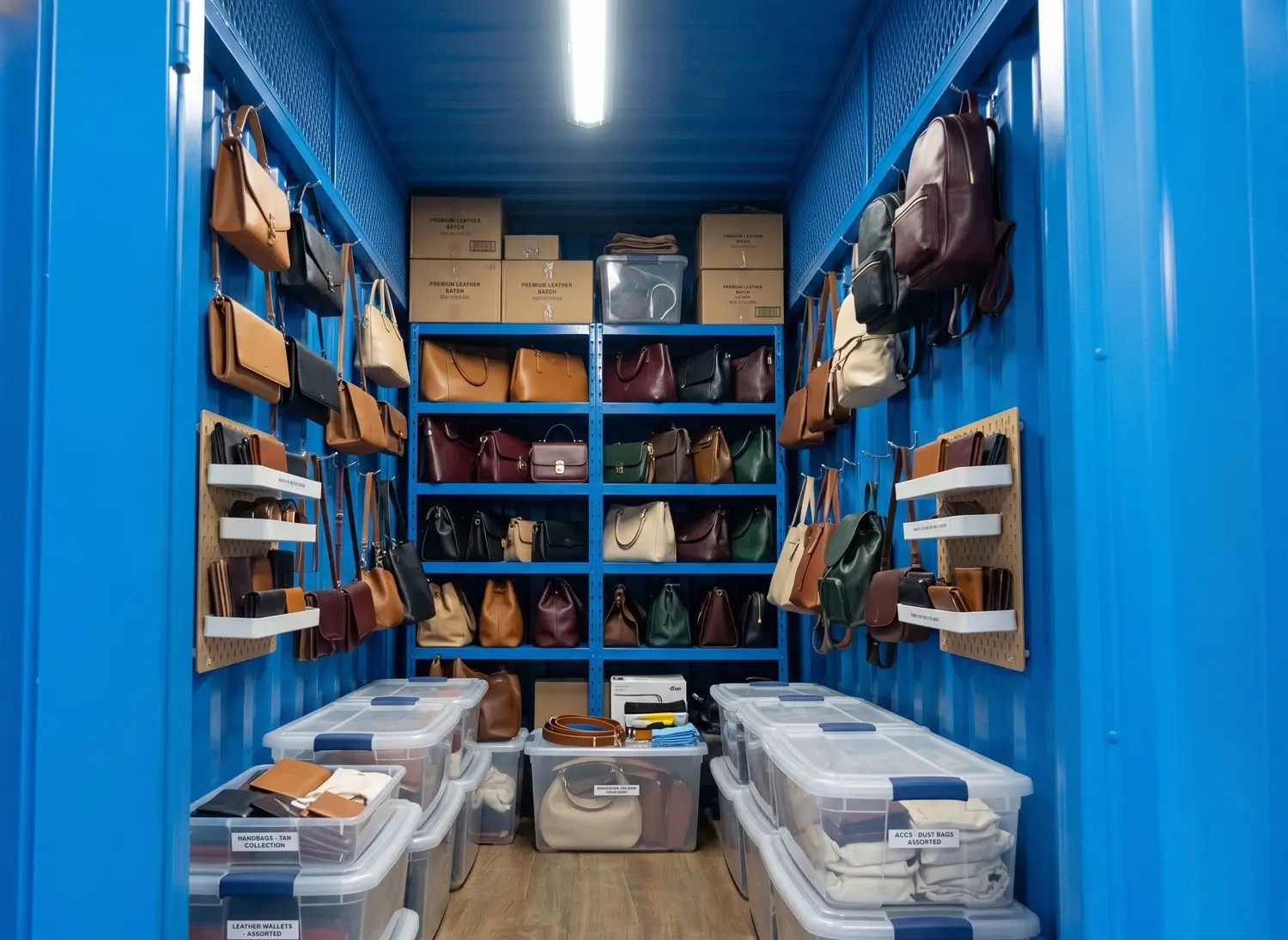
- Leather goods, handbags and shoes: remove dirt and dry carefully. Use clean paper to maintain their shape and absorb residual moisture. Avoid damp contact and tightly sealed plastic wrapping. Inspect regularly because leather can develop mold quickly when humidity rises.
- Wooden furniture: remove dust and dry before storage. Leave space from walls for airflow, raise items on pallets or supports, and use breathable dust covers instead of moisture-trapping plastic.
- Books and documents: use suitable boxes, keep them off the floor and away from damp walls, and control humidity during long-term storage. Keep digital copies of important documents in case the paper originals are damaged.
- Electronics: clean before packing and remove batteries from devices that will not be used for a long time, as batteries may leak or corrode. Use original packaging or suitable closed containers with desiccant if appropriate. Inspect and test devices periodically to identify problems early.
Preventing Mold in Business Storage
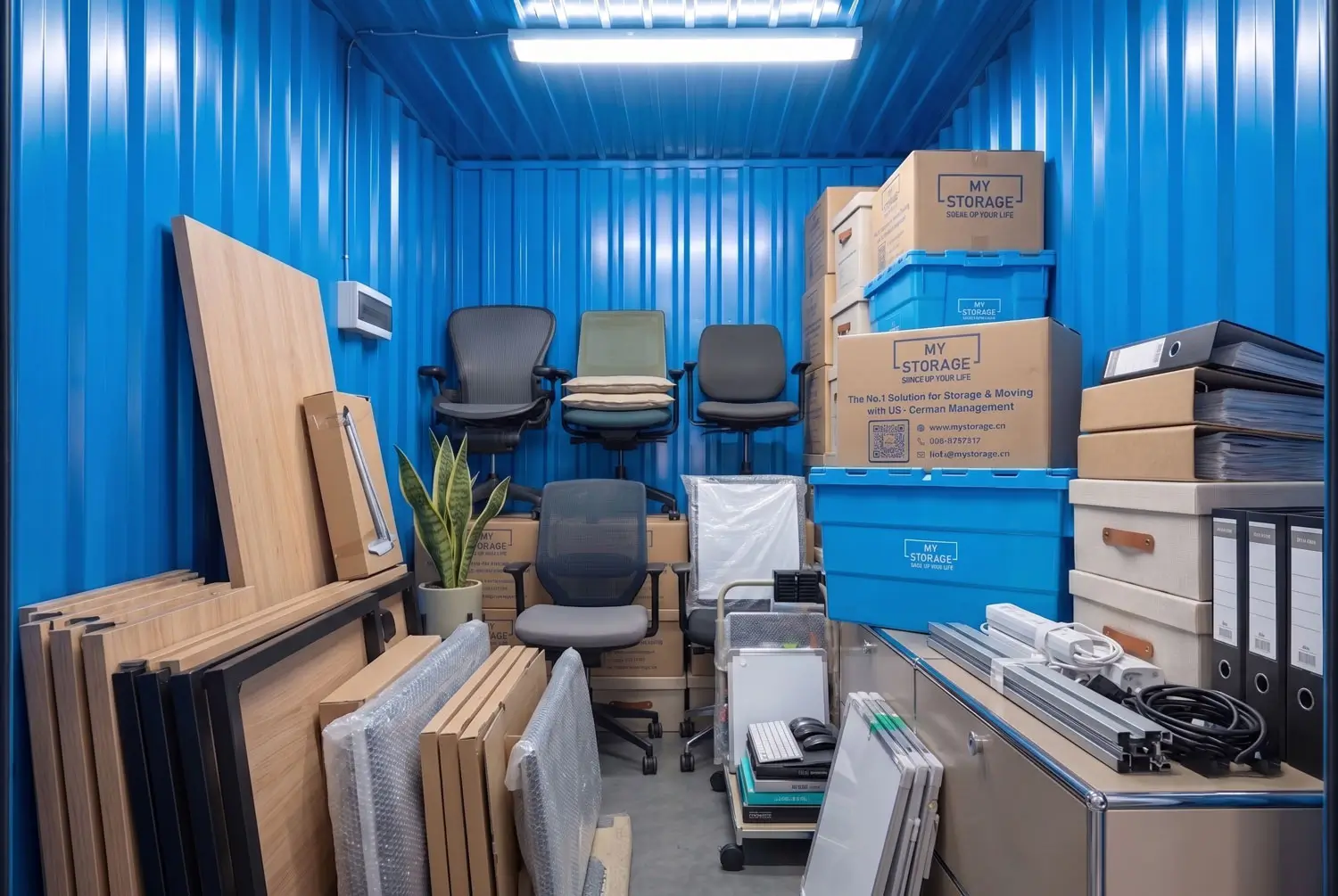
For businesses, preventing mold in goods storage requires control of the environment as well as suitable packaging. Monitor humidity, provide ventilation, prevent water ingress, raise stock off the floor, check condensation-prone areas and match temperature and humidity measures to the goods being stored.
- Keep stock off the floor: use pallets or shelving to limit moisture transfer and reduce damage if water enters.
- Leave gaps from walls and ceilings: allow airflow and avoid placing stock against external walls or directly below roofs where condensation may occur.
- Monitor humidity and temperature: position meters in several areas. A moderate relative humidity range of roughly 40–60% is often suggested for many ordinary goods, but requirements must be adjusted for each product group.
- Check roofs, walls, doors and seepage-prone areas: repair leaks, door gaps, wall bases and drainage channels before the rainy season.
- Inspect more frequently: move from monthly checks to weekly checks, or daily checks for particularly sensitive areas.
- Separate goods by moisture sensitivity: give vulnerable stock the driest, best-controlled space instead of mixing it indiscriminately with less sensitive items.
The following table summarizes the level of attention different goods may need:
|
Goods |
Moisture-related risk |
Control needed |
|---|---|---|
|
Clothing and textiles |
High |
High |
|
Leather shoes |
High |
High |
|
Wooden furniture |
High |
High |
|
Paper and documents |
High |
High |
|
Electronics |
High |
High |
|
Plastic |
Low |
Moderate |
|
Metal |
Oxidation risk |
Moderate to high |
Humidity control must be considered alongside airflow, condensation, how often doors open, packaging and monitoring. Buying a dehumidifier alone is not enough: a room with constantly open doors or a leaking roof may remain damp despite the equipment.
Which Moisture-Control Solutions Should You Use?
Options include silica gel, moisture-absorbing bags, suitable containers, dehumidifiers, air conditioning and environmental control systems. Small desiccant packs help only within limited spaces. Larger rooms and warehouses require assessment of sealing, ventilation, temperature and overall humidity.
|
Solution |
Suitable for |
Limitations and precautions |
|---|---|---|
|
Silica gel |
Boxes, cupboards, bags and electronics |
Limited capacity; replace or regenerate as appropriate once saturated |
|
Hanging or standing moisture absorbers |
Wardrobes, shoe cupboards and small enclosed spaces |
Effectiveness declines; replace regularly |
|
Plastic containers and cardboard boxes |
Packing belongings by category |
Sealed plastic works only with dry contents; cardboard softens in damp conditions |
|
Dehumidifier |
Enclosed rooms and small to medium storage spaces |
Uses electricity and needs tank emptying or drainage; performance depends on room sealing |
|
Air conditioning |
Living spaces and small storage rooms |
Can reduce humidity but may not control it precisely; large temperature differences can cause condensation |
|
Temperature- and humidity-controlled storage |
Valuable items, sensitive goods and long-term storage |
Higher cost, but less reliance on manual moisture-control measures |
A few desiccant packs cannot compensate for damp contents, boxes on a wet floor or very humid surroundings. They soon become saturated. Effective protection combines thoroughly dry items, appropriate packaging, raised storage, ventilation and controlled ambient humidity.
When Should You Choose Humidity-Controlled Storage?
Humidity-controlled storage may be worth considering for sensitive belongings kept for weeks or months, including premium clothing, leather, books, records, furniture, electronics and valuable stock. It can be particularly useful:
- For long-term storage: moisture risks accumulate, while manual precautions are difficult to maintain consistently over many months.
- When your home lacks space or ventilation: small apartments, rooms with few windows and persistently damp areas may not protect sensitive items adequately.
- When a business holds moisture-sensitive inventory: textiles, leather footwear, paper, electronics and furniture need suitable conditions to retain their value.
- For high-value or hard-to-replace belongings: more suitable storage may be preferable to accepting avoidable damage.
Ordinary Storage vs Environment-Controlled Storage
The main difference is the ability to maintain suitable, consistent conditions:
|
Factor |
Ordinary storage |
Temperature- and humidity-controlled storage |
|---|---|---|
|
Temperature |
Follows outside weather |
Maintained at a more stable level |
|
Humidity |
Varies seasonally and can rise during rain |
Managed within an appropriate range |
|
Mold risk |
Higher during prolonged storage |
Lower |
|
Suitable contents |
Less sensitive items and short stays |
Sensitive or valuable items and longer stays |
|
Cost |
Lower |
Higher |
Indicative Costs of Moisture Control and Storage
Costs depend on the size of the space, equipment and storage duration. The following broad market estimates provide an initial comparison for households and businesses; they are not a provider quotation.
|
Solution |
Indicative size or use |
Indicative price in VND |
|---|---|---|
|
Small silica-gel packs |
Small boxes and cupboards |
A few thousand to a few tens of thousands per pack |
|
Large silica-gel bag |
Approximately 1 kg |
30,000–100,000 per bag |
|
Hanging moisture absorber |
Wardrobes and shoe cupboards |
20,000–80,000 per bag |
|
Lidded plastic container |
Depends on capacity |
50,000–300,000 per box |
|
Hygrometer |
Room or storage unit |
100,000–500,000 per device |
|
Household dehumidifier |
Rooms under roughly 30 m² |
2,500,000–6,000,000 per unit |
|
Higher-capacity dehumidifier |
Larger storage spaces |
8,000,000–25,000,000 or more, depending on capacity |
|
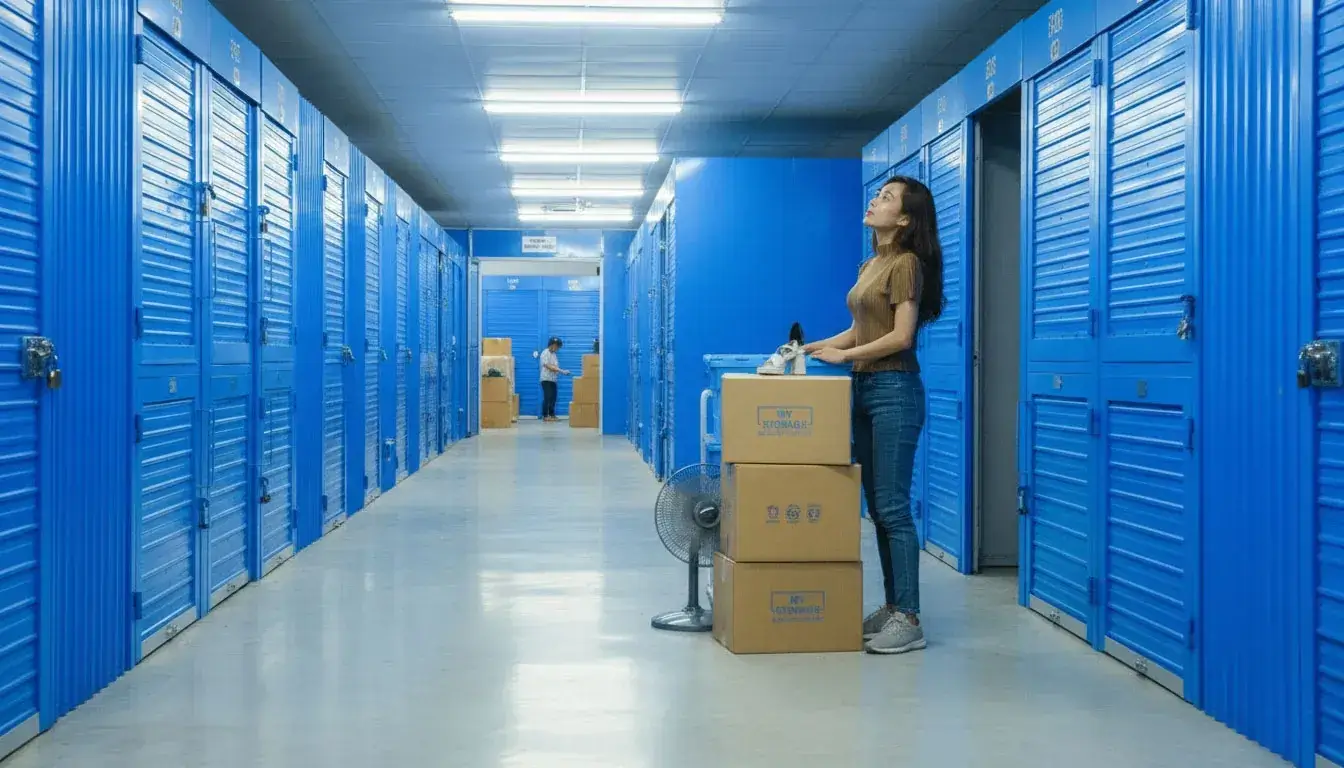
Small air-conditioned self-storage unit |
1–3 m² |
800,000–1,800,000 per month |
|
Medium air-conditioned self-storage unit |
3–6 m² |
1,500,000–3,500,000 per month |
|
Humidity-controlled business storage |
Per pallet or square meter |
Individual quotation based on volume and requirements |
These are general market estimates, not official prices from any particular provider. Mini-storage rental prices and equipment costs vary with brand, capacity, location and rental conditions. Compare total costs rather than the initial purchase price alone, including electricity, replacement desiccants, inspection time and the potential value of damaged goods. For valuable belongings or several months of storage, request quotations based on your actual volume and environmental requirements.
For extended storage, particularly of leather, fabric, paper, wood or electronics, an environment-controlled space can reduce reliance on manual measures at home or in an ordinary warehouse. Whatever option you choose, prepare before the rainy season rather than waiting until mold appears.
Related services: Air-conditioned storage · Self-storage · Business storage
Frequently Asked Questions About Rainy-Season Storage
1. Why do belongings become moldy during the rainy season?
High humidity, poor airflow and residual moisture make fabric, leather, paper and wood more vulnerable. Dry belongings before putting them away and monitor the storage environment instead of simply closing the cupboard.
2. What should I do before storing clothes and bedding?
Wash and dry them completely, then allow them to cool. Avoid overpacking and use suitable packaging so moisture is not trapped inside.
3. Should leather goods be sealed in plastic bags?
Do not tightly seal leather that still contains moisture. Clean and dry it, use clean paper to support its shape and inspect regularly for early signs of mold.
4. Why keep belongings away from floors and walls?
Shelves, pallets and supports reduce contact with damp floors. Gaps from walls improve airflow and reduce exposure to seepage and condensation.
5. Can silica gel replace a dehumidifier?
Desiccants suit small boxes, bags and cupboards and have limited capacity. Rooms and warehouses need an assessment of the whole environment and appropriately sized equipment.
6. Can I use sealed plastic containers?
Yes, if the contents are completely dry. A sealed box can trap water vapor from damp belongings, so check both the contents and desiccants regularly.
7. Why are items wet when the roof does not leak?
Warm, humid air can condense on colder surfaces. Check walls, floors, roofs and temperature differences as well as possible leaks.
8. What should businesses inspect during the rainy season?
Monitor humidity and temperature, roofs, walls, doors, drainage, packaging, stock placement and airflow. Inspect sensitive goods more frequently.
9. When is humidity-controlled storage worth considering?
Consider it for valuable or moisture-sensitive belongings stored for weeks or months, or when your home cannot provide suitable conditions.
10. Which costs should a moisture-control budget include?
Include equipment, electricity, replacement desiccants, inspection time and any storage rent. Prices in this article are only indicative; obtain a quotation for your actual requirements.
Related articles
Article
Inventory Management in Excel: How to Build an In-Out-Balance File
A step-by-step guide to managing inventory in Excel for online shops: build the catalogue, goods-received, goods-issued and stock summary sheets, standardise SKUs, use SUMIF and XLOOKUP to…
Read article

Article
How to Manage Inventory for a Home-Based Online Shop
A practical guide to inventory management for a home-based online shop: standardise SKU codes, build an inbound-outbound-balance sheet, cycle count your stock, organise with FIFO and FEFO…
Read article

Article
Logistics and Industrial Real Estate: How They Connect, Market Trends and Opportunities
Logistics and industrial real estate are tightly linked in building a competitive edge for business. This article explains what the two fields are, the core logistics activities, the types…
Read article
