
 Tiếng Việt
 한국어
한국어 日本語
日本語Article· Updated October 13, 2026
Guide to Choosing Reliable Mini Self-Storage in 2026
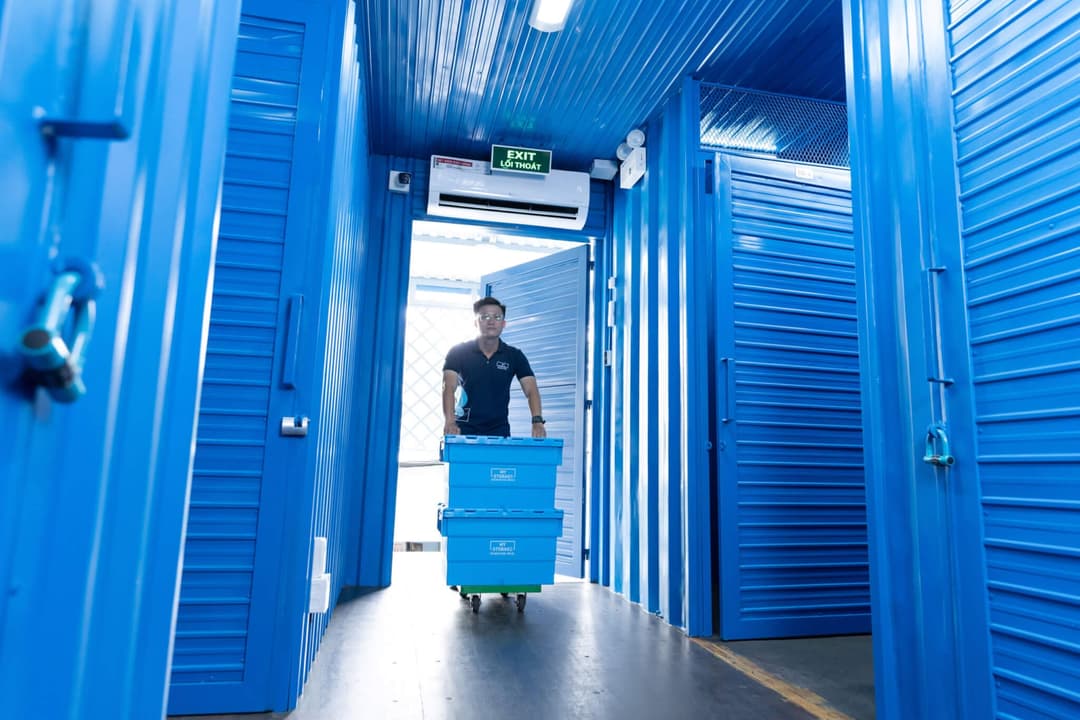
Quick answer: Mini self-storage is a private unit where you arrange and manage your own belongings. It suits frequent access or keeping stock separate from your home. To choose well, inventory your items, establish the size and access schedule you need, inspect security and storage conditions, then compare the total cost. Do not choose solely on a low headline rate or a “smart storage” claim.
Online-shop cartons taking over the living room, furniture needing somewhere to go during renovation, and growing office archives all call for more space, but not necessarily the same service. People who want to retrieve individual items themselves need a private unit and suitable access rights; those who rarely need their belongings and prefer not to transport them may find valet storage more appropriate.
This guide takes you from an inventory to a rental decision: distinguish service models, estimate capacity, inspect locations, review contracts, budget and organize items after moving them in. The provider comparison is a starting point for research, not a ranking or a guarantee of any facility’s quality.
What Is Mini Self-Storage? How It Differs from Valet Storage and Auto Lockers
The defining feature of self-storage is a private space for each customer, not building and operating an entire warehouse yourself. Valet storage uses shared space with pickup and delivery; auto lockers meet flexible, hourly storage needs. Choose the service model before comparing prices so that you do not compare packages with different scopes.
| Model | How it works | What to check |
|---|---|---|
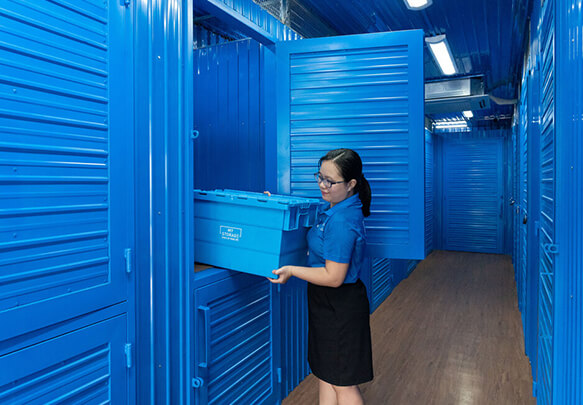
| Mini self-storage | Rent a private unit; arrange and manage your belongings and access them under the permissions granted. This model is still relatively new in Vietnam. | Actual dimensions, access hours, authorized users and storage conditions. MyStorage self-storage includes AC and temperature control. |
| Valet / shared storage | An all-inclusive pickup-and-delivery service, billed by the volume actually used. | Collection and return schedules, volume measurement and scope of work. Options may have or not have AC; temperature and humidity control depend on the selected option. |
| Auto locker | Centrally located lockers with flexible hourly rental. | Compartment size, access times at the location and accepted items; not a substitute for furniture or pallet storage. |
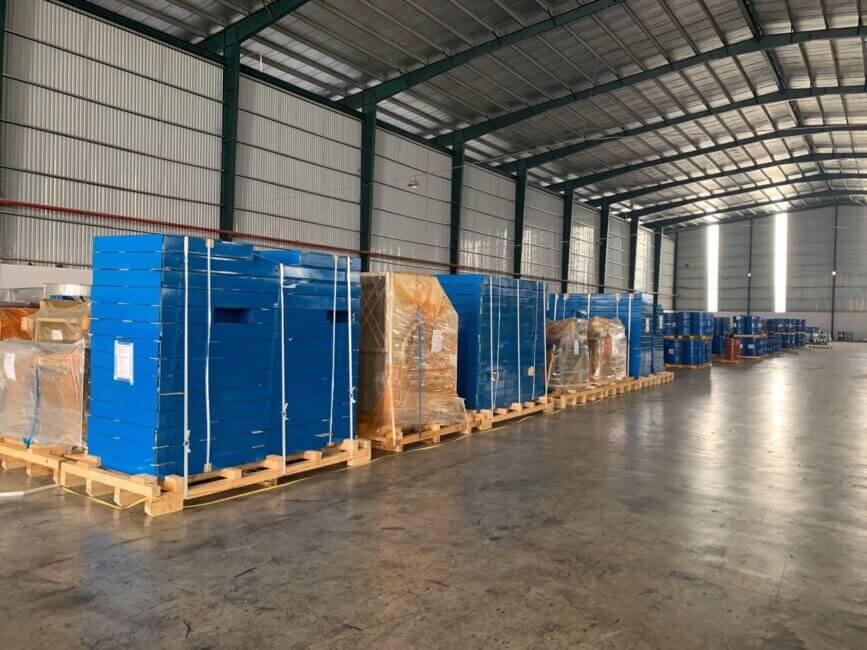
| Industrial warehouse / factory | For large quantities of goods or production activities appropriate to the facility’s permitted use. | Load limits, vehicles, equipment and permitted activities. Do not assume mini storage allows manufacturing or container deliveries. |
If you want to manage your own space, see self-storage services. If you prefer the provider to collect and return your belongings, compare full-service valet storage with pickup and delivery rather than treating the two names as interchangeable.
When Should You Rent a Mini Self-Storage Unit?
Consider a private unit when your belongings are still useful, your home or office lacks space, and you want control over arranging and retrieving items. The benefit depends on frequency of use, distance and total cost; renting storage is not automatically cheaper than every alternative.
| Situation | Potential benefit | Clarify before renting |
|---|---|---|
| Renovating, moving home or going away | Keep belongings away from building work or store them during a transition. | Move-in and collection dates, extension options and two-way transport costs. |
| Seasonal household items | Free up cupboards and living areas while keeping items for their next use. | What genuinely needs keeping, when you will retrieve it and how to pack it. |
| Online-shop inventory | Separate stock from living space and organize it by SKU and retrieval frequency. | Access rights, packing areas and whether individual-item dispatch is permitted. |
| Office documents, samples and equipment | Reduce the space taken up at work. | Inventory, access permissions, environmental conditions and retrieval methods. |
| Event organizers | Keep supplies, display materials and equipment between events. | Large-package dimensions, handling routes and out-of-hours collection arrangements. |
| Businesses with seasonal stock increases | Provide additional storage as needed. | Vacancies, resizing conditions and moving costs; do not assume you can always expand at the same location. |
Think before moving everything into storage
Sort belongings into items to keep, regularly used items, donations and things you no longer need. Paying for extra space just to keep unused items can prolong unnecessary costs. For everyday belongings, frequent trips may be less convenient than reorganizing your home; review renting storage versus storing items at home before deciding.
For businesses, self-storage can reduce the need to invest in a large premises from the outset, but it does not mean stock-checking staff, packing or order processing are included. Shops dispatching frequently should check warehouse requirements for online selling and the provider’s support scope separately.
How to Choose Enough Space While Keeping Items Accessible
Start with a list of packages and their actual dimensions, then allow for aisles, non-stackable items and expected additions. Square metres measure floor area; cubic metres measure volume. You cannot convert directly between them without knowing usable height and the layout.
Make an inventory before requesting prices
Record quantities, external dimensions, weight, whether items can be dismantled and retrieval frequency for each group. Separate fragile, environmentally sensitive, unusually heavy and non-stackable items. Businesses should include both normal and peak stock levels in their quotation request.
| Item group | Information to provide | Effect on the layout |
|---|---|---|
| Standard boxes | Box count; length × width × height; stacking limits. | Matching sizes can be grouped, but packaging load limits determine how many layers are safe. |
| Furniture and equipment | Dimensions after dismantling, where possible; scratch-prone parts; weight. | Allow protection, handling access and suitable supports; do not estimate solely from the number of rooms. |
| Documents and books | Number and weight of boxes; retrieval requirements. | Prioritize clear labels, manageable box weights and accessible positions. |
| Shop stock or event equipment | Number of SKUs/packages; retrieval frequency; peak inventory. | Allow working space and put frequently needed items near the entrance. |
A volume example, not a capacity guarantee
Illustration: 20 boxes measuring 0.6 × 0.4 × 0.4 m have a total geometric volume of 1.92 m³. This excludes aisles, shelving, stacking limits and irregular shapes, so it does not prove a 2 m³ unit will fit everything. Send your inventory and photographs so the provider can confirm a layout.
Consult the MyStorage mini-storage size guide and view a sample unit where possible. The AI storage-size estimator can help you prepare, but results still need checking against actual dimensions and the arrangement. Do not upload photographs containing personal information or sensitive documents.
Avoid two mistakes that increase costs
An oversized unit means paying for unused space; an overcrowded unit can mean unpacking many boxes to reach one item. Do not apply a fixed 10–15% allowance to every situation: spare capacity should reflect planned additions, aisles and confirmed resizing options. If your inventory will shrink, ask how to move to a smaller unit and what it costs.
Inspection Checklist: Location, Security and Storage Conditions
A suitable unit should be accessible with your transport, provide conditions appropriate to your belongings and have a clear incident-handling procedure. Inspect routes, doors, handling equipment, access control and relevant documentation in person; cameras or a “smart” label cannot replace all these checks.
| Area | Questions to ask | How to verify |
|---|---|---|
| Location and travel route | How long does the journey from home or your shop take at your usual travel time? | Test the route; include vehicle costs, waiting time and monthly trip frequency. |
| Access and handling | Can your vehicle enter? Are there steps, narrow passages, suitable lifts or trolleys? | Measure large packages against doors, lifts and aisles; ask about load limits. |
| Access rights | Who receives access? How do evening, weekend and holiday collections work? | Get written conditions for the exact facility, even when access is advertised as 24/7. |
| Security | Which areas do cameras cover, and who helps if access is lost or an incident occurs? | Review verification and authorization procedures and the incident contact. |
| Fire safety | How are exits, equipment and inspections organized? | Check that exits are unobstructed; request information and documentation appropriate to the facility. |
| Environment | Which package controls AC, temperature and humidity? | Compare with your goods’ requirements, signs of damp, cleanliness and procedures for abnormal readings. |
| On-site support | Are packing areas, parking, materials or staff assistance available? | Confirm what actually exists at the location and what costs extra. |
Choose areas in Ho Chi Minh City and Hanoi around your actual route
In Ho Chi Minh City, frequent users in the east may inspect locations along the Võ Nguyên Giáp–An Phú corridor; those in the south, west or near the airport should start with their own travel routes. Do not assume an outlying unit is always cheaper after transport, or that a warehouse near a port is better for a few household boxes.
The same applies in Hanoi: choosing near home or work, or around Long Biên, Gia Lâm, Đông Anh, Hà Đông and other areas, should depend on an operating facility’s address, transport and access schedule. Area names only narrow your search; they do not prove that mini storage, a general price level or a MyStorage service exists there.
Check sensitive items separately
Documents, wood, electronics and certain goods may require specific storage conditions. Do not equate air-conditioned storage with cold storage, or temperature control with a commitment to every humidity threshold. For records, also ask about layout and access rights suited to business document storage; goods with special requirements must be explicitly accepted by the facility.
Mini-Storage Costs: Compare the Total, Not Just the Advertised Rate
Compare storage charges plus transport, materials and applicable services for the same belongings, rental term and retrieval schedule. Separate refundable deposits from usage costs, but include them in the initial cash requirement. Do not directly compare per-m² rates with per-m³ packages or services that already include pickup and delivery.
| Cost to ask about | Details the quotation should state |
|---|---|
| Storage fee | Billable size or volume, term, VAT and price-adjustment conditions. |
| Transport | Collection/return points, number of trips, labour, stairs and what the package already includes. |
| Materials and handling | Boxes, tape, shelving, handling equipment, packing and dismantling if used. |
| Storage conditions | AC or non-AC option, environmental-control scope and any related charges. |
| Access and extras | Out-of-hours service, stock checks, individual-item retrieval, unit transfers or order processing, if offered. |
| Deposit and termination | Advance payments, deposit-refund conditions, notice period and move-out costs. |
For a starting budget, review mini-storage rental prices in Ho Chi Minh City, then request a quotation based on your inventory. For broader requirements, this guide to personal and business storage rental costs helps separate the components before comparing.
Monthly rental or a longer commitment?
Monthly rental suits an uncertain collection date; a longer commitment helps only if the total payment and conditions are genuinely better for the period you need. Ask about post-promotion rates, advance-payment conditions, refunds for early termination and resizing. Do not assume long contracts always receive discounts or a cheap first month makes the whole rental inexpensive.
A method for comparing two options
This is a method, not a quotation: create columns for storage, transport in both directions, materials, retrieval frequency and expected extras over three months. Give both providers the same inventory. If a package includes collection and return, do not add them twice; if you collect items yourself, include travel costs and time to see the real difference.
Renting, Handover and Organizing Your Unit
The process should move from inventory and inspection to a confirmed quotation, agreement and documented handover. After move-in, package labels and a location plan make retrieval easier; paperwork, condition photographs and inventories support checks when discrepancies arise.
From the first enquiry to receiving your unit
| Step | What to complete |
|---|---|
| Prepare requirements | List belongings, photographs, dimensions, start date and retrieval frequency. |
| Inspect and choose a model | View the facility; distinguish a private unit from collection-and-return services in shared storage. |
| Confirm the quotation | Agree on service scope, taxes/fees, deposit and change conditions. |
| Complete formalities | Ask what verifies the renter, representative or authorized person; read the agreement before signing. |
| Handover | Record unit condition, keys/access rights, package count and exceptions within the agreed checking scope. |
| Monitor and finish | Update the inventory as items leave or arrive; give contractual notice and reconcile the deposit at move-out. |
Before signing, review MyStorage’s service terms and clarify the provisions that apply to your package. The provider confirms the specific documents needed; do not send sensitive copies through channels where the recipient is unclear.
Pack for easy retrieval and less damage
- Clean and dry items before packing; do not seal damp belongings and expect AC to solve the problem.
- Choose boxes suited to the weight; do not overload a large carton with books or heavy objects.
- Label each box with a code and item group; keep a separate detailed list for sensitive information.
- Put heavy items underneath, protect fragile pieces and follow packaging stacking limits.
- Keep frequently needed items accessible; maintain aisles and do not obstruct safety equipment.
- Photograph the layout after arranging items and update it whenever stock is added or removed.
See cardboard storage boxes and how to organize household storage to prepare. If you want staff to do the work, confirm packing and transport separately; do not assume they are included in self-storage rent.
Address three often-overlooked risks
Unable to find items: package codes must match the inventory, and whoever retrieves items must update it after every move. Damaged packaging: record photographs and a written note at collection or handover rather than reporting it only verbally. Unclear responsibilities: establish whether the provider counts sealed packages or individual contents, the incident-reporting deadline and supporting records.
Check the list of prohibited storage items before moving goods. For valuable belongings, read the scope of MyStorage’s protection plans and ask about conditions, limits and exclusions; do not assume every asset receives full compensation.
Comparing Providers and “Smart Storage” Solutions
Compare providers through actual services, inspectable locations and applicable terms, not “best” claims or satisfaction rates without sources. Technology is useful only when it solves a specific task such as granting access, logging visits or booking appointments; it does not prove every facility has the same features.
Sources to start your research
The following list is not a ranking and does not imply equivalent services. Provider-published information must be confirmed for the specific facility, goods and rental date.
- MyStorage: offers private self-storage, valet storage and auto lockers as distinct models. Use official service and location pages to choose the right option; do not extend one facility’s amenities to the entire network.
- Nhất Việt Logistics: describes self-storage rental services on its official website. Ask about the actual private unit, viewing address, access arrangements and support for your goods.
- Interlink: its website presents logistics and warehouse rental services. Confirm whether the option is a private, self-access unit or provider-managed warehousing; a warehousing service category alone does not establish mini self-storage.
Prioritize itemized quotations, storage conditions, handover procedures and clear contract information. Customer reviews can help identify questions, but cannot replace a site visit, and a single comment should not be treated as a service commitment.
Assess technology and trends through practical benefits
| Feature | Potential benefit | Verification question |
|---|---|---|
| Online booking and payment | Reduce back-and-forth communication and retain transaction records. | Which functions work now, and is support available when something fails? |
| Locks and access control | Manage authorized users and access history. | How are permissions issued or revoked, and what happens during power loss or a lost phone? |
| Environmental monitoring | Help detect abnormal conditions. | Which readings are measured, who receives alerts, and are records available under the agreement? |
| Online-sales support | May help with handover or goods processing within the service scope. | Are SKU picking, packing and returns offered, and charged separately? |
| Energy savings and reusable materials | May reduce operational and packaging waste. | What concrete measures or data exist beyond a “green” label? |
Online shopping, relocation needs and flexible rental models provide context for considering storage. However, you do not need a growth forecast to decide whether a unit fits your needs. Check the functions actually available at the facility; computer-file storage and data recovery technology are not criteria for choosing storage for physical belongings.
Choosing MyStorage by Location and How You Use Storage
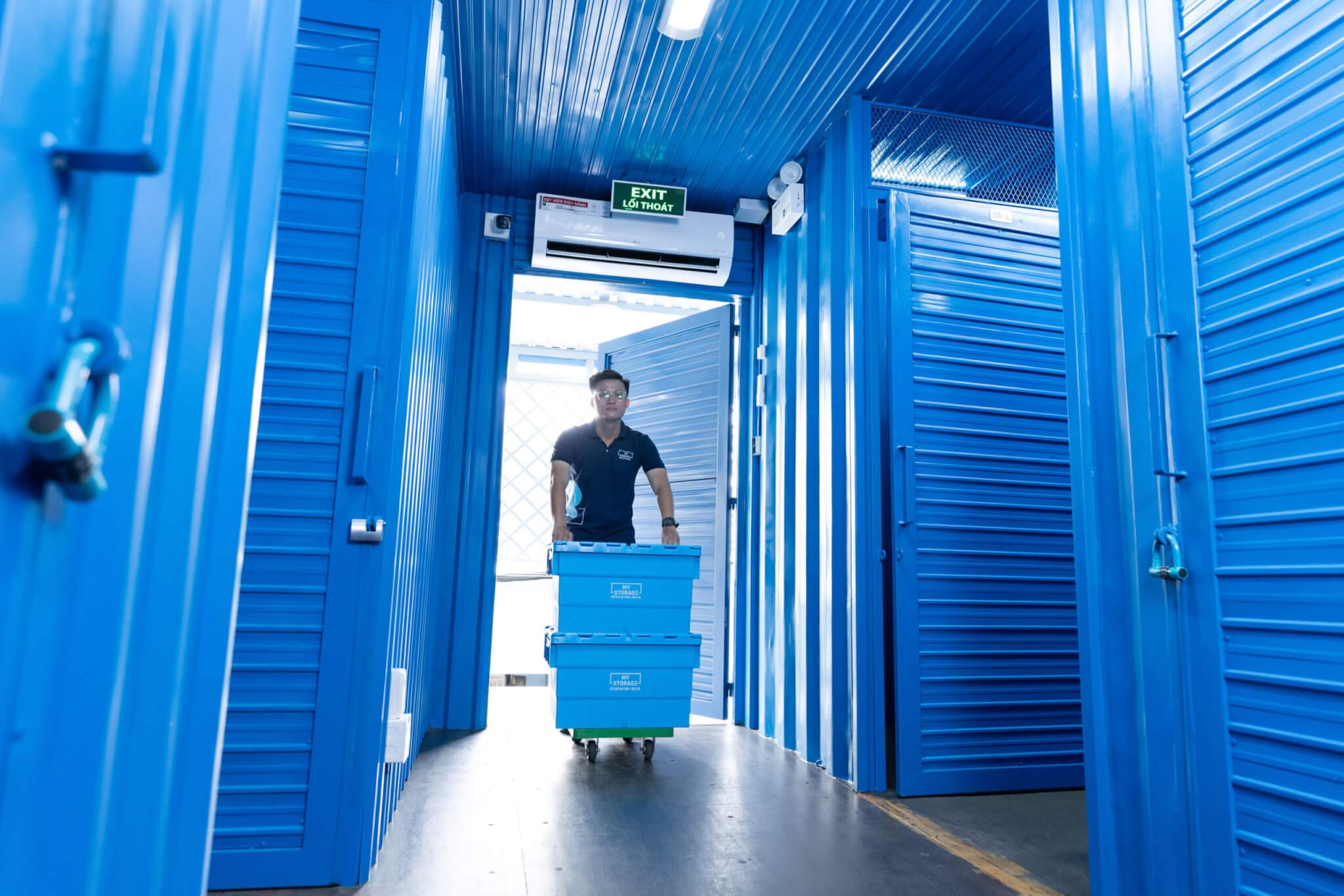
For a private space with AC and temperature control, start with MyStorage self-storage. For all-inclusive collection and return, consider valet storage billed by used volume; for short hourly storage in central locations, consider auto lockers. Confirm the service at the exact location before booking; these three models are not interchangeable.
Private units and locations to inspect
MyStorage’s service page lists 1–23 m³ units and 24/7 access for self-storage; available sizes and access procedures still need confirming with the facility. Start with storage at 375 Võ Nguyên Giáp or the An Phú location, then compare the MyStorage storage-location network against your travel route.
If you need workspace or a packing area beside the unit, ask about on-site amenities, their hours and rules beforehand. Renting storage does not automatically permit manufacturing, running a shop or every business activity within the space.
Lockers for short hourly use
For small items and hourly storage, explore lockers at Ministop Trần Trọng Cung, Ministop Trần Khắc Chân or Centre Mall. This differs from a private unit for longer-term storage; check compartment dimensions and conditions at the location.
Before booking, send your inventory, expected term and retrieval schedule to get advice on a suitable storage option. Base the final decision on actual space, total cost and agreed terms, not just square metres or a first-month promotion.
Frequently Asked Questions
Does mini self-storage mean building a warehouse and hiring staff?
No. You rent a private unit within the provider’s facility and manage the contents under the agreement. Building or operating an entire warehouse is not an inherent feature of this model. Additional support services need separate confirmation.
With only a few boxes, should I choose self-storage or valet?
If you frequently retrieve individual items yourself and want private space, inspect a suitably sized self-storage unit. If access is infrequent and you want door-to-door collection and return, compare valet options. Decide on total charges and usage schedule, not box count alone.
How can I tell whether my belongings will fit?
Provide package counts, external dimensions, large items and anything non-stackable; ask the provider to confirm a layout. Total volume is only a starting point because aisles, working space and shapes matter. Viewing a sample unit or sending photographs reduces the uncertainty of estimating by room count.
Can I collect items at any time?
Only if your access rights and the facility’s conditions allow it. Ask about entry, authorization, out-of-hours help and power loss or lost access. Do not assume valet collection schedules or locker access hours match self-storage access.
Does air conditioning guarantee mould-free belongings?
AC should not be treated as an absolute guarantee. Items must be dried, packed appropriately and stored under conditions suitable for their materials. MyStorage self-storage includes AC and temperature control; valet conditions depend on the AC or non-AC option. Clarify humidity-control scope where your goods need particular conditions.
Do advertised prices include transport, boxes and insurance?
Do not assume so. Request a quotation showing inclusions, extras, VAT, trip count, materials, deposit and protection conditions. When comparing a private unit with valet pickup-and-delivery, use the same inventory and duration to avoid missing or double-counting costs.
What if I need a bigger unit or want to leave early?
Ask about transfer conditions, vacancies, moving fees and treatment of payments already made. Early termination depends on notice, refund and deposit provisions; monthly rental does not necessarily mean leaving on any day without additional charges.
Can an online shop pack and dispatch orders at the unit?
Confirm the rules and permitted areas. A private unit does not automatically include fulfillment or staff for picking, packing and returns. Describe order volumes, collection schedules and the work you need supported before agreeing.
What records help if belongings are missing or damaged?
Keep an inventory, package codes, condition photographs and handover records within the agreed checking scope. Record exceptions immediately at collection or delivery, contact the designated person and retain evidence. Responsibility, reporting deadlines and compensation depend on the applicable terms, not simply the presence of cameras.
How can I tell whether “smart storage” is genuinely useful?
Ask to see specific actions such as granting access, booking, payment or getting help after an error. Establish who is responsible, which records can be checked and what backup procedures exist. Technology matters only when it supports your needs and is provided at the facility you are renting.
Related articles
Article
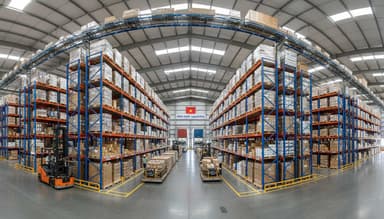
Onshore vs Offshore: Which Manufacturing Model Should Businesses Choose?
Onshore manufacturing refers to production within a company’s home country, helping to control quality, shorten delivery times, and ensure easier regulatory compliance. Offshore…
Read article
Article
How To Organize Your Home Storage Room | 10 Space-Saving Tips
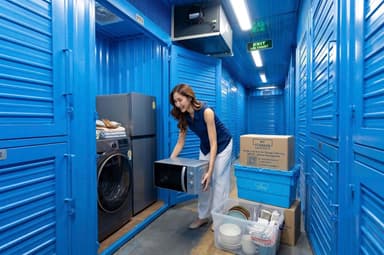
Organize household storage with ten practical tips, an inventory template, safety checks and guidance on when external storage is worth considering.
Read article

Article
Secrets to Profitable Online Selling: 10 Ways to Save Costs
To sell online profitably, you not only need to increase sales but also maintain good control over operating costs. Items such as inventory, premises, packaging, shipping, and order…
Read article
