
 Tiếng Việt
 한국어
한국어 日本語
日本語Article· Updated October 15, 2026
What to Do With Your Belongings When Leaving Vietnam: A Storage Guide for Expats
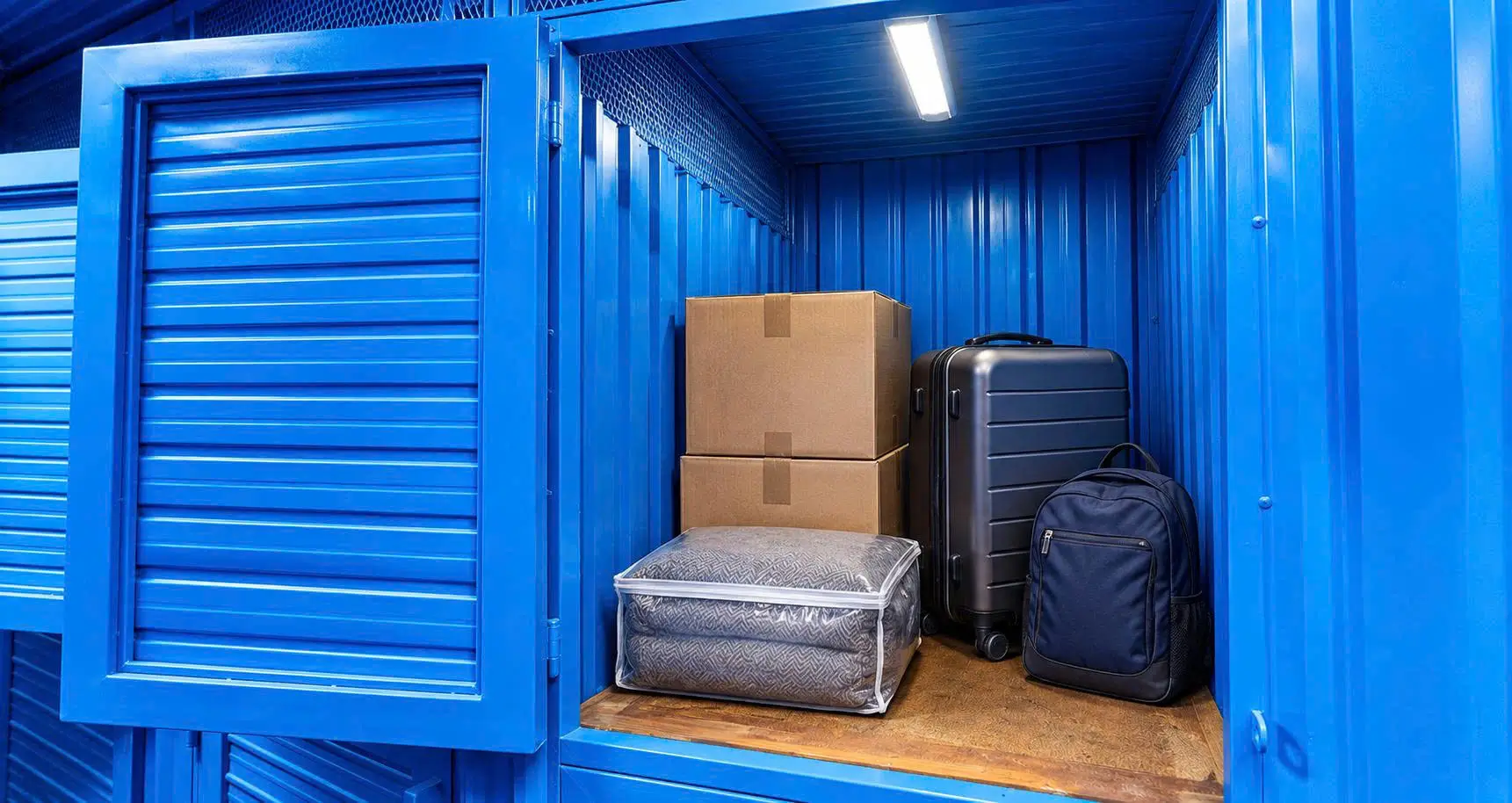
Even if a storage facility is not near you, MyStorage can arrange luggage pickup and delivery within Ho Chi Minh City, so you can store your belongings without bringing them to the facility yourself.
When preparing to leave Vietnam, expats can sort their belongings into items to take along, sell, donate, ship home, dispose of, or place in storage based on each item’s value, volume, and future plans. If you are not ready to sell or cannot ship everything home yet, storage for expats in Ho Chi Minh City can keep your belongings safe until you return or decide what to do next.
1. What Should You Do With Your Belongings When Leaving Vietnam?
Before leaving Vietnam, expats should sort belongings into clear groups: take with them, ship home, sell, donate, discard, or store. Consider each item’s value, shipping cost, likely future use, and how soon you expect to return to Vietnam.
What to Take With You When Leaving Vietnam
Prioritize taking these items with you:
- Personal documents
- High-value belongings
- Electronics you use regularly
- Essential personal items
- Irreplaceable belongings
Sell Items You Do Not Need to Take
Selling is often suitable for bulky items or things you will no longer need after leaving, such as:
- Furniture
- Household appliances
- Electronic devices
- Bicycles
- Clothing
- Personal items that are still useful
Donate Items That Are Still in Good Condition
For items that are still in good condition but may be difficult to sell, donating is a practical option. Examples include:
- Clothing
- Shoes
- Books
- Household goods
- Children’s items
- Other usable belongings
If you are looking for a place to donate used clothing in Ho Chi Minh City, check what the organization currently accepts before washing, sorting, and packing items so they can reach people who need them.
Ship Belongings Home
Shipping may make sense for valuable items that are difficult to replace, have personal significance, or will be useful for years in your home country. Before arranging international transport, consider:
- International shipping costs
- The weight and dimensions of your belongings
- Estimated transit time
- Customs procedures
- Import rules in the destination country
Store Items You Have Not Decided About Yet
Storage can help when you are not ready to make a final decision about certain belongings. You may not want to sell them, cannot ship them home yet, and do not want to discard them. Keeping them in storage gives you a safe place while you take time to decide.
Not ready to sell → Cannot ship yet → Do not want to discard → Store temporarily
2. When Should Expats Rent Storage Before Leaving Vietnam?
Renting storagecan help when you are leaving Vietnam temporarily, do not yet have a stable place to live, are waiting for an international shipment, or have not decided whether to sell or discard your belongings. Storage separates items you do not currently need from your living space, giving you more time to decide.
Leaving Vietnam for a Few Weeks or Months
This situation commonly comes up when you are:
- Returning home to visit family
- Taking an extended break
- Working in another country
- Temporarily moving back to your home country
- Planning to return to Vietnam later
A typical process is: Leave Vietnam temporarily → Store your belongings → Travel without all your luggage → Return to Vietnam → Collect your items.
Moving Between Apartments
Storage can also help during a move, especially when:
- Your old lease ends before the new apartment is ready
- Your new apartment has less space
- You are waiting for the handover of your new home
- You are staying in a hotel or serviced apartment during the transition
Not Sure Whether to Ship Your Belongings Home
This is an important decision for many expats preparing to leave Vietnam. If you are unsure whether to take certain items home, storing them gives you more time to think instead of selling or discarding them just before departure.
Keep them → Store them → Give yourself more time to decide.
Waiting for International Shipping
While arranging an international shipment, you can temporarily store your belongings instead of leaving them in a vacated apartment or carrying them with you. A typical process is: Move out → Store your belongings → Arrange international shipping → Deliver them to your new address.
Leaving Vietnam but May Return
If you expect to return to Vietnam in a few months, storage may be more practical than shipping everything home and buying it all again when you come back.
3. Should You Sell, Ship Home, or Store Your Belongings?
Not every item needs to be sold or shipped home. Compare its value, shipping cost, potential future use, and storage period to decide whether to sell it, take it home, or rent storage.
|
Option |
Best suited for |
Examples |
|---|---|---|
|
Take with you |
Essential or high-value items |
Passport, laptop, personal essentials |
|
Sell |
No longer needed or costly to ship |
Furniture, appliances |
|
Donate |
Still useful but no longer needed |
Clothing, books, household goods |
|
Ship home |
Valuable or hard to replace |
Personal belongings, collectibles |
|
Store |
Not ready to sell or ship, or will use again |
Suitcases, furniture, clothing |
|
Dispose of |
No longer usable or valuable |
Damaged or low-value items |

When Should You Sell Items?
Reselling is usually a good option when keeping an item no longer makes sense:
- You do not plan to use it again
- Shipping would cost more than the item is worth
- It is easy to replace in your home country
When Should You Ship Items Home?
Shipping is worth considering when an item has lasting practical or personal value:
- The item is valuable
- It has personal significance or is hard to replace
- You are sure you will use it again in your home country
- Shipping costs are reasonable compared with its value
When Should You Choose Storage?
Storage lets you keep belongings during periods when moving or using them is inconvenient:
- You plan to return to Vietnam
- You have not decided what to do with an item
- You are waiting to move into a new apartment or home
- You are arranging international shipping
- You will not need the item for the next few months
4. Storage Options When Leaving Vietnam
Expats can choose baggage storage, self storage, or a full-service storage option based on how much they need to store, for how long, and how often they need access. Baggage storage works well for a few suitcases over a short period, while self storage suits personal belongings you may need to access. Full-service storage is better for larger volumes when frequent access is not necessary.
Baggage Storage
This option is suitable for:
- One or two suitcases
- Backpacks
- Travel bags
- Luggage before a flight
- Short-term storage needs
Self Storage
This option is suitable for:
- Suitcases
- Clothing
- Boxes
- Books
- Personal belongings
- Household goods
- Small furniture
Full-Service Storage
This option is suitable for:
- Many belongings at once
- Furniture
- Contents of an entire apartment
- People who prefer not to move items themselves
- Situations where regular access is not needed
This table summarizes which service may fit common needs:
|
Need |
Suitable option |
|---|---|
|
A few suitcases |
Baggage storage |
|
Suitcases and boxes |
Self storage |
|
Personal belongings for a few months |
Self storage |
|
Furniture and many belongings |
Full-service storage |
|
Prefer not to move items yourself |
Full-service storage |
|
Need frequent access |
Self storage |
|
Leaving Vietnam for a few months |
Self storage or full-service storage |
5. Estimated Storage Costs When Leaving Vietnam
Storage costs in Ho Chi Minh Cityvary by service, space size, and rental period. The ranges below offer a general reference for expats planning a departure before requesting a detailed quote:
|
Service |
Typical size or volume |
Estimated price |
|---|---|---|
|
Baggage storage (hourly, locker) |
One suitcase or travel bag |
From VND 54,000 per hour |
|
Baggage storage (daily) |
One suitcase or travel bag |
Quoted separately; a daily cap may cost less than the total hourly rate |
|
Small personal locker |
Under 1 m³ |
Approximately VND 300,000–600,000 per month |
|
Small self-storage unit |
1–3 m² |
Approximately VND 600,000–1,200,000 per month |
|
Medium self-storage unit |
3–6 m² |
Approximately VND 1,200,000–2,500,000 per month |
|
Large self-storage unit |
6–15 m² |
Approximately VND 2,500,000–5,000,000 per month |
|
Full-service storage (including pickup) |
Depends on the volume and storage period |
Quoted separately; often more than a self-storage unit of the same size |
|
Pickup and delivery outside a full-service package |
Per trip, based on volume and distance |
Approximately VND 300,000–800,000 per trip |
The hourly baggage-storage rate (from VND 54,000 per hour for a locker) is the price MyStorage confirmed for this update. Check the current price and terms before booking. The other ranges in the table, including self-storage by unit size, full-service storage, and transport fees, are general market estimates rather than official MyStorage rates. If you are leaving Vietnam for an extended period or need to store many belongings, contact MyStorage for a quote based on your needs. Full-service storage is typically priced individually.
6. What to Do With Your Belongings Before Leaving Vietnam
Start sorting your belongings well before departure. Separate items to take with you, ship, sell, donate, or store. For anything going into storage, clean and pack it, label the boxes, and make an inventory before handover so you can keep track of everything while abroad.
- Sort all belongings: Divide items by what you plan to do with them, in this order: take with you, ship home, sell, donate, store, and finally discard anything with no remaining value.
- Set aside important items: Keep passports, visa or immigration documents, contracts, financial records, other personal documents, and valuables with you.
- Prepare items for storage: Clean and dry belongings, protect fragile items, label boxes clearly, photograph each box, and make a detailed packing list.
- Arrange transport: If you have many items, plan the steps from apartment pickup to storage and eventual delivery. For a larger move, consider a moving service or pickup and delivery support.
- Keep a digital inventory: Record item names, box numbers, photos, estimated values, storage location, and the provider’s contact details. An online copy makes it easier to check your belongings later, especially if they will be stored for several months.
7. Store Your Belongings With MyStorage When Leaving Vietnam
MyStorage offers several storage options in Ho Chi Minh City, from baggage storage and self storage to full-service storage. These can help expats who are leaving Vietnam temporarily or do not want to ship all their belongings home.
Choose a Service Based on How Much You Have
Use the amount you need to store as a quick starting point:
- A few suitcases: choose baggage storage
- Suitcases and boxes: choose self storage
- Contents of an apartment: choose full-service storage
- Prefer not to move items yourself: choose full-service storage
Pickup and Delivery When You Need It
MyStorage currently offers pickup and delivery of luggage throughout Ho Chi Minh City. This can help expats preparing to leave Vietnam or returning soon who would rather not transport their belongings to the facility themselves.
A Real Example: An Expat Storing Belongings Before Leaving Vietnam
For example, Paul, an expat living in Vietnam, stored two suitcases for about two to three months. He first used self storage, then switched to full-service storage after leaving his apartment because he no longer needed regular access. His situation shows that storage needs can change over time and that it may be possible to switch services when circumstances change.
Start Planning Your Departure
Leaving Vietnam and unsure whether to take, sell, or store your belongings? Contact MyStorage to find an option that fits your volume and timeline, and make your departure preparations more manageable and organized.
Frequently Asked Questions About Storing Belongings When Leaving Vietnam
Here are a few points to clarify before handing over your home and belongings and heading abroad.
1. Should I sell or store my belongings when leaving Vietnam?
Sell items you no longer need or whose shipping cost exceeds their value. Storage is useful if you plan to return, are waiting for a shipment, or need more time to decide.
2. Which service should I choose for one or two suitcases?
Baggage storage suits a few suitcases for a short period. If you need storage for several months, compare the total cost and retrieval process for baggage storage, self storage, and full-service storage.
3. Can I store my belongings in Vietnam while I am overseas?
Choose a service that fits how long you will be away. Before departure, agree with the provider on payment, extensions, communication, and how you or an authorized person can collect your belongings.
4. Should I choose self storage or full-service storage?
Self storage is suitable if you want to access your belongings yourself, subject to the facility’s access arrangements. Full-service storage is useful for larger volumes when you need transport support and do not need frequent access.
5. Can I store items while waiting for international shipping?
Yes. Storage can hold your belongings while you arrange shipping. Coordinate the pickup date, authorized recipient, and handover requirements with both the storage provider and the shipping company.
6. Which items should I take with me instead of putting in storage?
Keep your passport, visa or immigration documents, important records, essential items, and electronics you use regularly with you. Do not pack anything you may need urgently into a storage box.
7. How should I prepare belongings before handing them over?
Clean and dry items, protect fragile belongings, label each box, take photos, and make an inventory. Keep a digital copy so you can check it while overseas.
8. What if my return date to Vietnam changes?
Contact the storage provider before your term ends to discuss an extension or early collection. Check the notice period, fee calculation, and payment methods in your agreement.
9. Can someone else collect my belongings for me?
Ask about authorization procedures, the recipient’s identification, and handover verification in advance. Do not assume every provider allows another person to collect items without prior approval.
10. What fees should I check before renting storage?
In addition to storage fees, ask about deposits, pickup and delivery, packing, extensions, and any other charges. Request a quote based on your volume and actual storage period; a general price range is not an official quote.
Related articles

Article
Where to Store Livestream Products When Home Space Is Limited?
Learn how online sellers can store livestream inventory when home space is limited: organize samples and stock, manage orders, compare home storage with renting a private unit, review…
Read article
Article
How to Organize a Warehouse for Efficient Management
A practical guide to SKU classification, racking, location labels, FIFO, FEFO and 5S, with five warehouse KPIs, reference equipment costs and eight FAQs.
Read article
Article
IoT in Warehouse Management: Temperature, Humidity & Security
Explore IoT in warehouse management, from temperature and humidity sensors to security alerts and WMS integration. Learn about system components, implementation steps, indicative costs and…
Read article
