
 Tiếng Việt
 한국어
한국어 日本語
日本語Article· Updated October 19, 2026
What Is Cross-Docking? Process, Types and Applications in Logistics
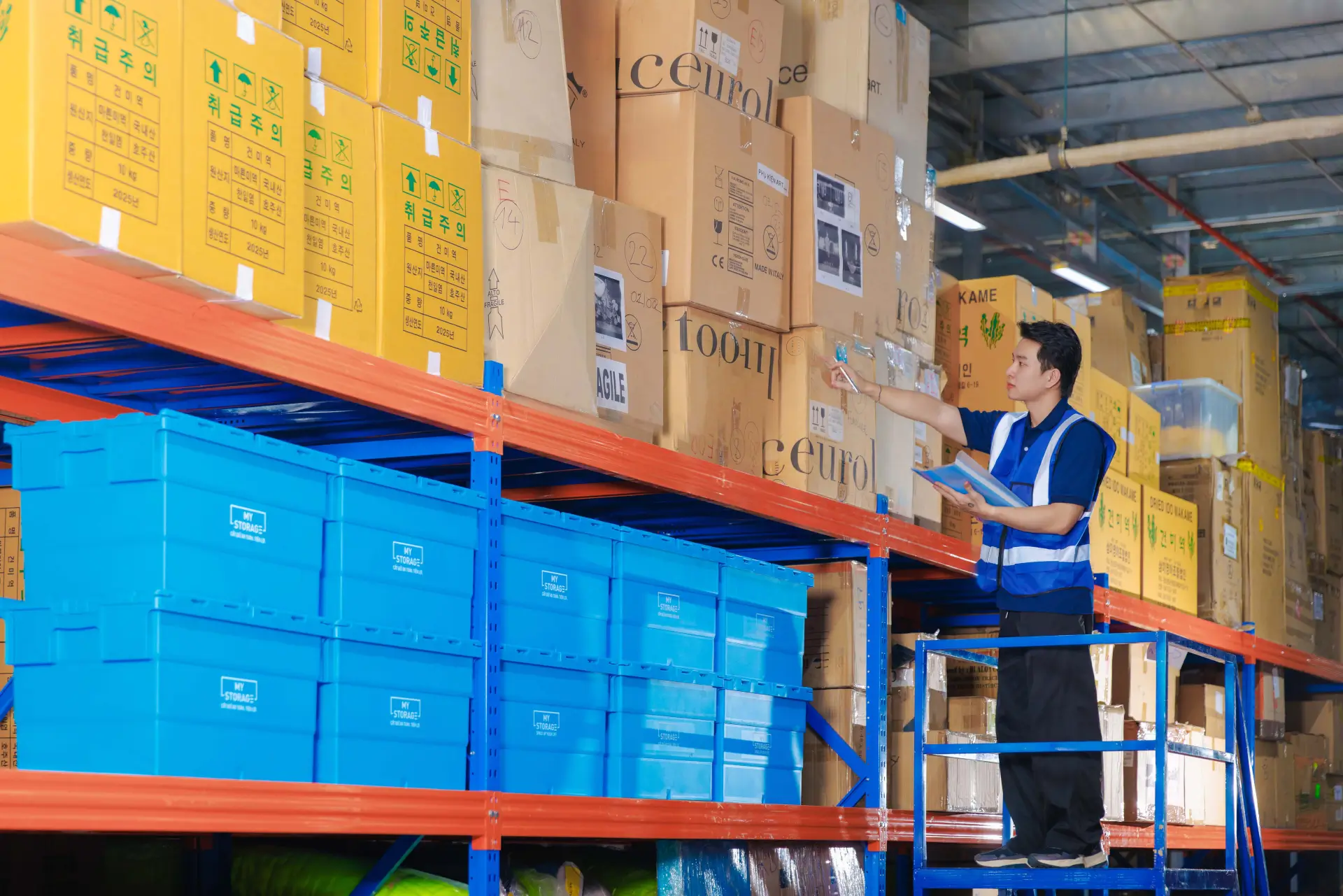
Cross-docking is a logistics operating model in which goods move from the receiving area to the shipping area for onward delivery, with little or no intermediate storage. Instead of putting goods away, the business focuses on receiving, inspecting, sorting, consolidating and transferring them to outbound vehicles. This reduces storage time and unnecessary putaway tasks while helping shorten distribution lead times.
1. What Is Cross-Docking, and How Does It Differ from Traditional Warehousing?
Cross-docking prioritizes the movement of goods rather than goods storage. Once received and processed, goods move directly or almost directly to the shipping area. Traditional warehousing, by contrast, typically involves receiving, putaway, storage, order picking, staging and dispatch. Because cross-docking removes or reduces intermediate storage, it requires closer coordination between inbound and outbound flows.
What Does Cross-Docking Mean?
The term combines “cross,” referring to movement across a facility, and “dock,” the loading and unloading area of a warehouse or distribution centre. Together, they describe moving goods from the inbound side to the outbound side without the usual storage stage.
Cross-docking should not simply be treated as another name for a transit warehouse. It is an operating method, not a particular type of building. A business can use cross-docking within a conventional warehouse if its processes are designed for rapid throughput rather than extended storage.
How Does Cross-Docking Compare with Traditional Warehousing?
The operational differences become clearer when the two models are compared side by side:
|
Criterion |
Cross-docking |
Traditional warehousing |
|---|---|---|
|
Primary objective |
Rapid throughput |
Storage and distribution |
|
Storage |
Minimal |
Included |
|
Putaway |
Usually eliminated or reduced |
Included |
|
Order picking |
May be reduced |
Usually required |
|
Time spent at the facility |
Short |
May be lengthy |
|
Inbound and outbound coordination |
Critical |
Important, but less directly dependent |
|
Inventory buffer |
Limited |
Larger |
Does Cross-Docking Eliminate the Need for a Warehouse?
No. This is a common misunderstanding. Cross-docking can take place in a distribution centre, warehouse or dedicated cross-docking terminal. The difference is that the facility is designed and operated to support a continuous flow of goods rather than the longer storage periods associated with traditional warehousing.
2. How Does the Cross-Docking Process Work?
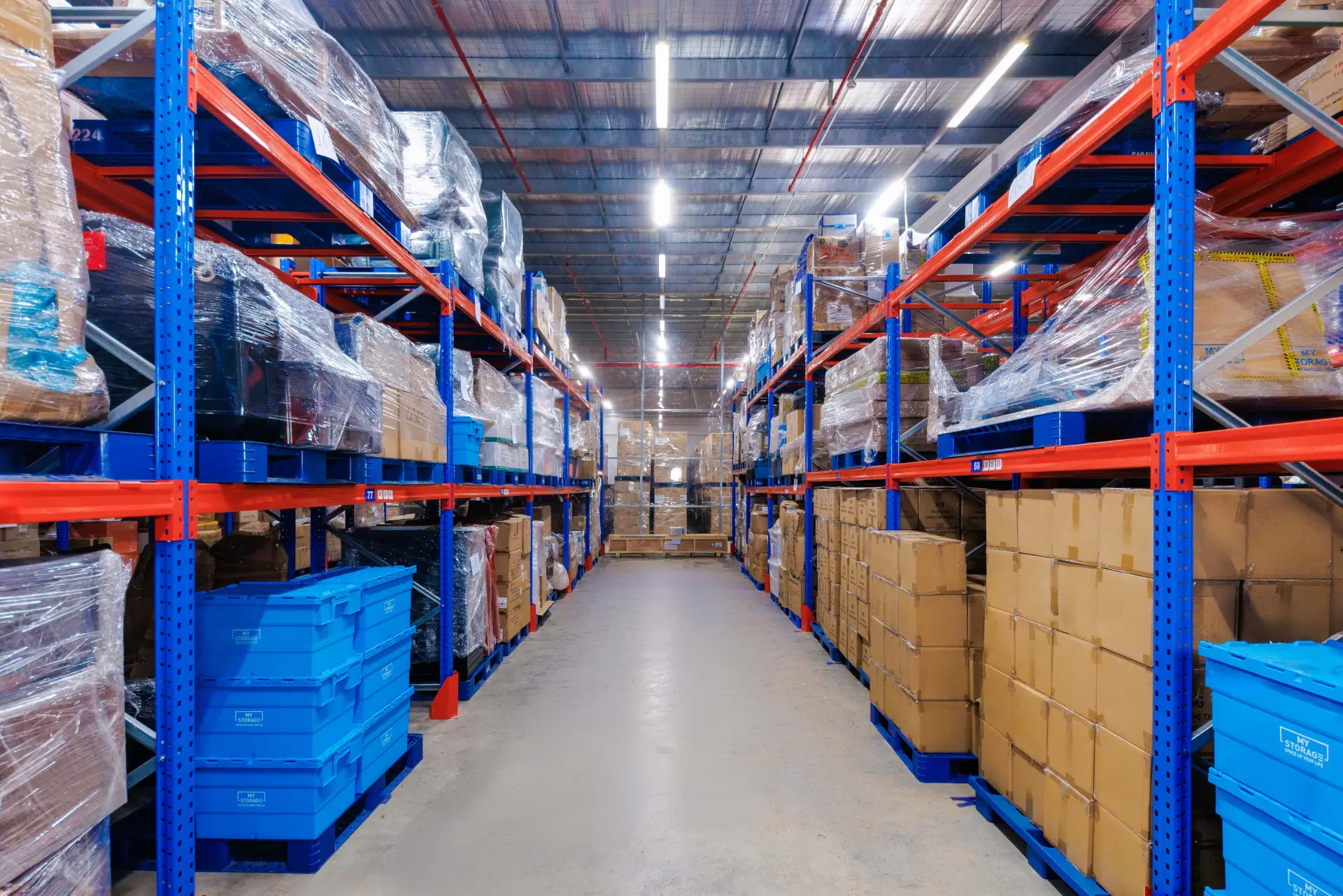
The process begins with receiving, verifying and inspecting inbound goods. They are then sorted or consolidated by order, transport route or destination. Goods may enter a staging area if necessary before moving to dispatch for onward transportation. The key distinction is that they do not follow the conventional putaway and storage cycle.
- Receiving inbound goods: inbound trucks arrive at the dock, where staff check documents, unload goods, scan packages and confirm the quantities actually received.
- Sorting and checking: goods are sorted by SKU, order, customer, store, destination or specific delivery route.
- Temporary staging: where necessary, goods wait in a designated area for the rest of a shipment, consolidation, an outbound vehicle or any required repacking.
- Consolidation or deconsolidation: consolidation combines several smaller shipments into a larger outbound load; deconsolidation splits a large shipment into smaller loads for different destinations.
- Loading outbound vehicles: goods move to the shipping area and are loaded onto the appropriate delivery vehicles.
- Dispatch: vehicles leave the facility and take the goods to their final destinations.
Process summary: Receiving → Sorting → Staging → Dispatch → Destination.
Many enterprise warehouse management systems, including SAP, describe the basic sequence as recording goods receipt, carrying out cross-docking tasks within the warehouse and recording goods issue. The aim is to move goods directly from receiving to shipping without intermediate storage.
A Practical Cross-Docking Example
Consider a simple example: five suppliers deliver to a cross-docking facility. The goods are sorted for 20 different stores and loaded onto 20 outbound trucks, each bound for the appropriate store. In a traditional warehouse, the same goods might first go through putaway, storage and order picking before distribution, adding substantially to the handling time.
3. Common Types of Cross-Docking
Cross-docking can be classified by when the business identifies outbound demand and makes the cross-docking decision. It can also be classified by how goods are distributed. These are separate classification criteria, so all the resulting types should not be grouped together as equivalent categories.
Classification by Decision Timing
This approach distinguishes two types according to whether the decision is made before or after goods arrive at the facility:
- Planned cross-docking: the decision is made before the goods physically arrive. For example, supplier A delivers goods to the facility for direct onward shipment to store B, with the destination already determined. In SAP’s description, cross-docking relevance is established before the stock arrives and before goods receipt is posted.
- Opportunistic cross-docking: the decision is made after goods have arrived. For example, the system checks pending outbound orders, identifies matching demand and directs the inbound shipment to dispatch instead of storage. Some SAP Extended Warehouse Management processes can identify a cross-docking opportunity once goods have entered the warehouse.
Classification by Distribution Approach
The second criterion concerns whether the final destination has already been determined when goods are processed:
- Pre-distribution cross-docking: the destination or receiving customer is identified in advance. This suits confirmed orders, known customers or stores and relatively stable demand.
- Post-distribution cross-docking: goods are processed briefly at the facility before the final allocation is decided. This can suit businesses that need further information about market demand, sales, seasonality or actual customer orders before determining where goods should go.
Continuous Cross-Docking
Alongside these classifications, continuous cross-docking describes goods moving steadily from receiving to dispatch with minimal waiting and little interruption between stages. Some logistics publications use the term for maintaining a continuous inbound-to-outbound flow. It suits supply chains with steady volumes and frequent deliveries.
4. Benefits, Limitations and Applications of Cross-Docking
Cross-docking can reduce storage time, putaway and handling tasks, and the amount of storage space required, while speeding up distribution. However, it depends on accurate data, synchronized inbound and outbound flows and rapid handling. With less inventory available as a buffer, it is not suitable for every product or supply chain model.
Benefits of Cross-Docking
- Less time in storage
- Reduced demand for storage space
- Fewer putaway tasks and less manual handling
- Shorter distribution lead times to the destination
- Faster inventory turnover
- Potential improvements in overall logistics costs
- Suitability for just-in-time production and high-volume distribution
Limitations of Cross-Docking
- Strong dependence on inbound and outbound schedules
- Accurate data required at every stage
- A need for reliable real-time data visibility
- Limited inventory buffers for unexpected events
- Potential dock congestion if scheduling is poor
- A need for suitable management systems and operating procedures to coordinate activities
Which Industries Can Benefit from Cross-Docking?
Suitability depends on the characteristics of the goods and the industry, as outlined below:
|
Industry |
Why it may be suitable |
|---|---|
|
Retail |
Distributing goods to multiple stores at the same time |
|
Fast-moving consumer goods |
High volumes and rapid turnover |
|
Fast order processing and distribution |
|
|
Food and beverages |
Some product categories require rapid distribution |
|
Manufacturing |
Planned movements of materials or finished goods |
|
Consolidating and distributing goods for multiple clients |
|
|
Distribution centres |
Increasing the speed of goods moving through the facility |
When Is Cross-Docking Less Suitable?
Not every business or product category is a good fit, particularly in the following situations:
- Goods require long-term storage
- Market demand is unstable and difficult to forecast
- Volumes are too low for efficient operation
- The SKU range is too complex for rapid sorting
- Goods need lengthy quality inspections before dispatch
- Inbound and outbound schedules cannot be synchronized
5. What Does Cross-Docking Need to Work Effectively?
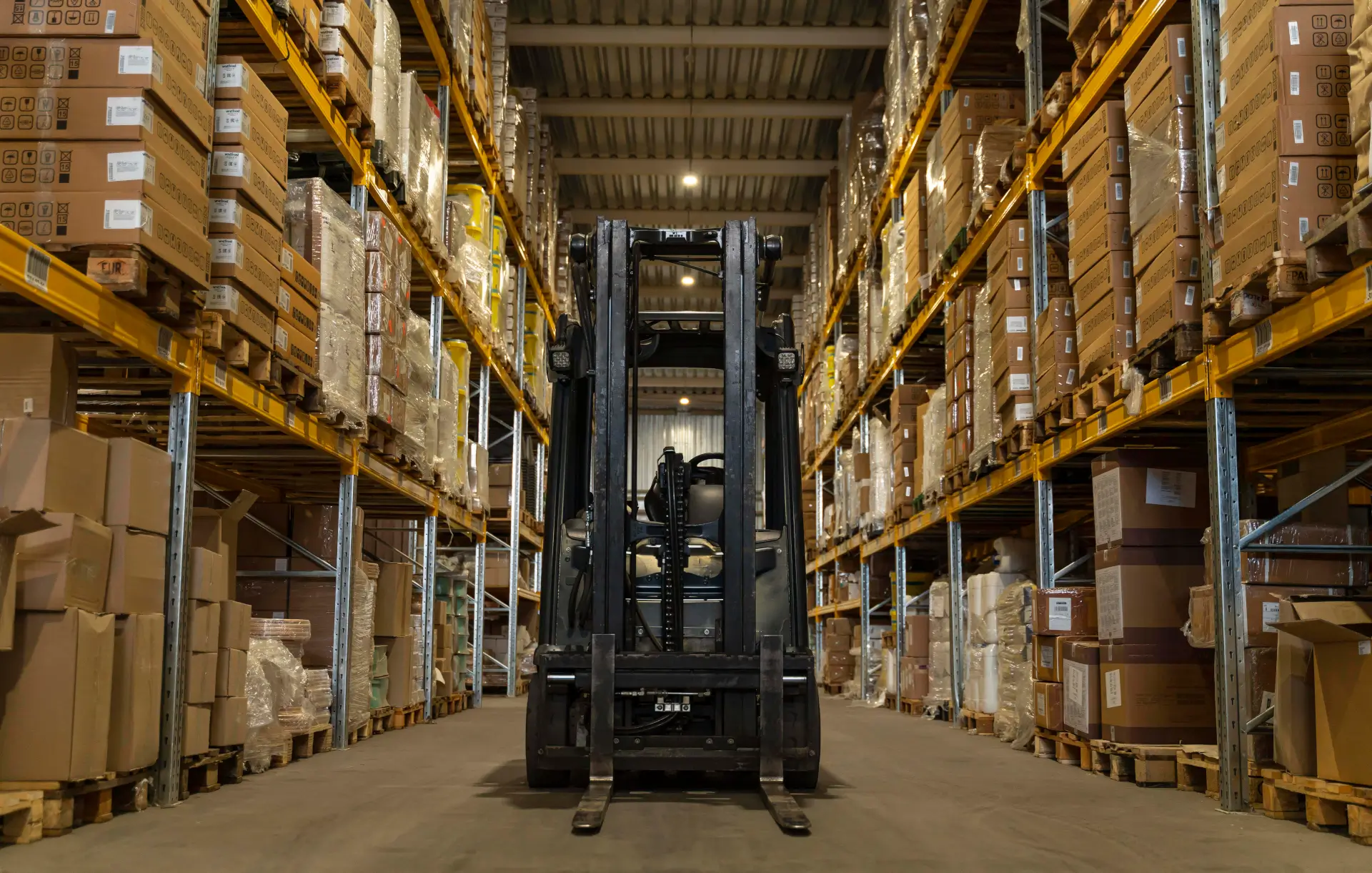
An effective system depends on coordination between the facility, people, vehicles, data and technology. Businesses need aligned inbound and outbound schedules, clearly defined destinations, suitable docks and staging areas, and warehouse management systems, enterprise resource planning systems or other appropriate tools to track the flow of goods. Cross-docking is more than transferring goods between trucks: it is an operating model that requires coordination across the supply chain.
Facilities and Loading Docks
A cross-docking facility generally needs the following functional areas:
- Receiving area
- Shipping area
- Staging area
- Sorting area
- Repacking area, where required
Transport Scheduling
Accurate scheduling is essential to smooth operations. The sequence must be closely coordinated: expected inbound arrival → receiving → sorting → outbound vehicle departure. A delay or mismatch at just one stage can affect every subsequent step in the cross-docking process.
Warehouse Management and Enterprise Resource Planning Systems
Warehouse management systems (WMS) and enterprise resource planning (ERP) systems can support several aspects of cross-docking operations, including:
- Tracking inbound shipment status in real time
- Managing pending outbound orders
- Updating inventory status
- Supporting data-driven cross-docking decisions
- Scanning barcodes or using RFID to track goods
- Assigning and monitoring warehouse tasks
Real-Time Data Visibility
Information must be updated quickly enough for the business to know:
- Which goods are arriving
- The exact quantities involved
- Where the goods are going
- Which outbound orders they belong to
- Which vehicles they will be loaded onto
- The required dispatch deadlines
Cross-docking is not the right model for every business. However, supply chains with high volumes, a need for fast distribution and well-synchronized data may significantly reduce storage time and storage costs compared with traditional warehousing. Before implementation, assess the characteristics of the goods, demand stability, transport scheduling and existing management systems to determine whether cross-docking genuinely suits the operation.
Related articles
Article
Inventory Management in Excel: How to Build an In-Out-Balance File
A step-by-step guide to managing inventory in Excel for online shops: build the catalogue, goods-received, goods-issued and stock summary sheets, standardise SKUs, use SUMIF and XLOOKUP to…
Read article

Article
How to Manage Inventory for a Home-Based Online Shop
A practical guide to inventory management for a home-based online shop: standardise SKU codes, build an inbound-outbound-balance sheet, cycle count your stock, organise with FIFO and FEFO…
Read article
Article
Logistics and Industrial Real Estate: How They Connect, Market Trends and Opportunities
Logistics and industrial real estate are tightly linked in building a competitive edge for business. This article explains what the two fields are, the core logistics activities, the types…
Read article
