
 Tiếng Việt
 한국어
한국어 日本語
日本語Article· Updated October 5, 2026
150+ Common Import-Export & Logistics Terms
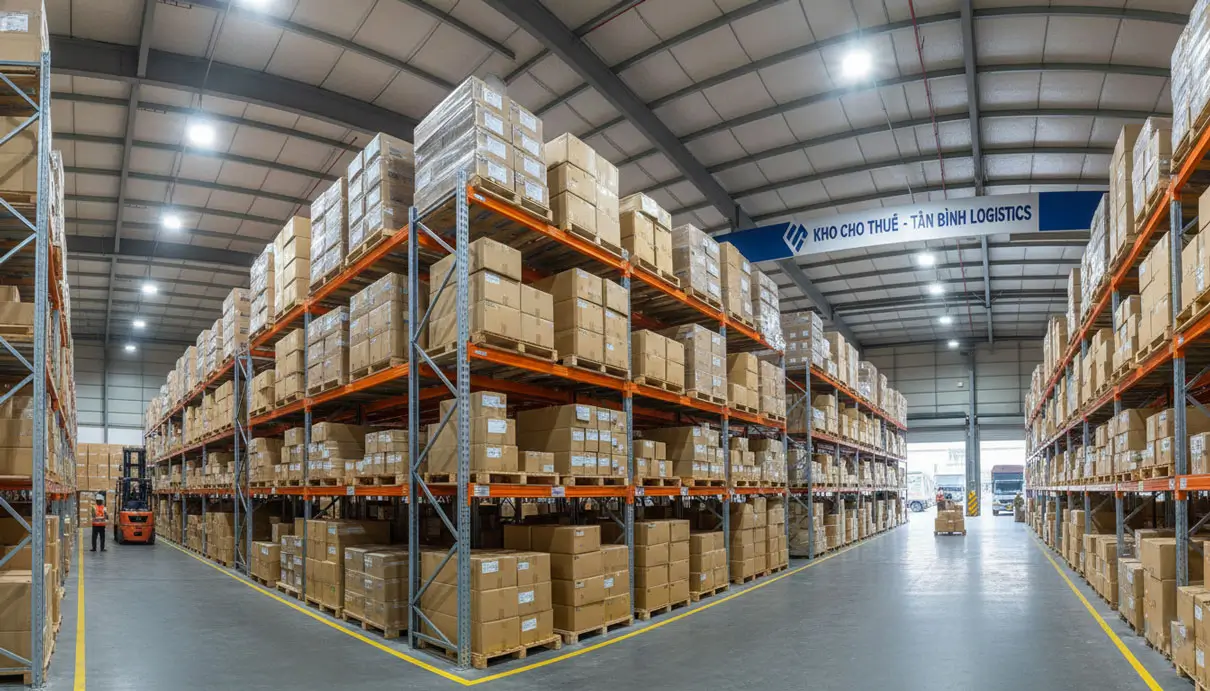
The import-export and logistics industry uses a lot of abbreviations in documentation, shipping, customs and logistics management. Mastering these terms helps businesses read and understand contracts, bills of lading, and invoices and communicate accurately with international partners. Below is a summary of more than 150 of the most common terms, grouped by specific fields with explanations and practical illustrations.
Import-Export Terminology About Documents, Customs & Transactions
A shipment usually comes with several documents, from purchase orders and invoices to transport and customs paperwork. Each serves a different stage of the transaction. Understanding its purpose makes it easier to follow the shipment and know which information to check.
The term group of import and export documents includes concepts used to confirm transactions, describe goods, transport, pay and carry out customs procedures. Important terms include B/L, HBL, MBL, AWB, D/O, PO, SI, Commercial Invoice, Packing List, C/O, L/C, Manifest and HS Code.
Sales & Payment Documents
A purchase order records what the buyer has requested, while the invoice and packing list help reconcile the value, quantity and packing details of the shipment. Reading these documents together, rather than learning each abbreviation in isolation, makes it easier to see which details should match and which documents support payment.
- PO (Purchase Order), Purchase Order: document sent by the buyer to the seller to confirm the order, including product type, quantity, price and delivery conditions. For example, a Vietnamese importer issues a PO ordering 5,000 T-shirts from a factory in China.
- PI (Proforma Invoice), Proforma Invoice: a draft invoice prepared by the seller before delivery, used for the buyer to confirm the price and as a basis for opening a L/C or transferring a deposit. For example, the buyer uses PI to apply for an international payment limit at the bank.
- CI (Commercial Invoice), Commercial Invoice: official document confirming purchase and sale transactions, used as a basis for tax calculation and customs clearance of goods. For example, customs requires CI to determine the import taxable value of a shipment.
- PL (Packing List), Packing slip: lists details of how to package goods (number of packages, weight, size of each package) accompanying the commercial invoice. For example, warehouse staff compare PL to count the number of boxes when receiving containers.
- L/C (Letter of Credit), Letter of Credit: the bank's commitment to pay on behalf of the buyer, ensuring the seller gets paid if the correct set of documents is presented according to the agreed conditions. For example, an exporting enterprise only delivers goods after receiving a L/C issued by the buyer's bank.
- Debit Note, Debit Note: document informing that one party still owes the other party an amount of money, usually arising when there are additional costs beyond the original contract. For example, the shipping company sends a Debit Note requesting the customer to pay additional container storage fees incurred.
- Credit Note, Credit Note: document confirming an amount of money refunded or credited to the customer, often used when adjusting to reduce the value of an invoice. For example, a supplier issues a Credit Note when the delivered goods fall short of the original invoice.
Shipping Documents
- B/L (Bill of Lading), Bill of Lading: document issued by the shipping company, confirming receipt of goods for transportation and is evidence of ownership of goods. For example: the consignee presents the original B/L at the port of destination to receive the goods.
- HBL (House Bill of Lading), House bill of lading: bill of lading issued by the forwarder to its customers, different from the master bill of lading issued by the shipping line. For example, a forwarder in Vietnam issues an HBL to the retail shipper in an LCL shipment.
- MBL (Master Bill of Lading), Master Bill of Lading: bill of lading issued by the shipping company directly to the shipping unit (usually the forwarder), serving as the basis for the entire container or shipment. For example, the shipping line issues an MBL to the forwarder to consolidate many individual shipments into one container.
- AWB (Air Waybill), Air Waybill: shipping document issued by the airline or agent for a shipment sent by air. For example, urgent samples that need to be delivered within 3 days are often sent with AWB by air.
- D/O (Delivery Order), Delivery Order: document issued by the shipping company or forwarder so that the consignee can take the goods out of the port or warehouse. For example, after paying the freight, the customer receives a D/O to carry out procedures to pick up the container at the port.
- SO (Shipping Order), Container issuance order/shipping order: confirms the issuance of empty containers and space on board for export shipments. For example, the shipping line issues SO after the shipper completes the booking.
- SI (Shipping Instruction), Shipping Instructions: document sent by the shipper to the shipping company/forwarder, providing detailed information to prepare a bill of lading. For example, the goods owner sends an SI clearly stating the shipper's name, consignee and description of the goods before the ship departs.
- Booking Note, Booking Confirmation: document confirming the reservation on the train or flight for the shipment. For example, the forwarder sends a Booking Note to the customer after successfully booking with the shipping company.
- Telex Release, Electronic Delivery: form of electronic release of goods instead of presenting the original bill of lading, often used when both parties have completed payment. For example, the seller requests the shipping company to issue a Telex Release so that the buyer can receive the goods immediately without waiting for the original bill of lading to be sent by post.
- POD (Proof of Delivery), Delivery Confirmation: document confirming that the goods have been successfully delivered to the recipient, usually with a signature or confirmation stamp. For example, a domestic shipping unit sends a POD after delivering the goods to the customer.
Customs & Legal
- C/O (Certificate of Origin), Certificate of Origin: confirms the origin of goods, often used to enjoy preferential tariffs under trade agreements. For example, shipments with C/O form D enjoy preferential tax rates when imported into ASEAN countries.
- COA (Certificate of Analysis), Certificate of Analysis: reports the results of testing the quality and composition of goods (usually applied to chemicals, food, and pharmaceuticals). For example, a batch of imported chemical raw materials needs to be accompanied by a COA to prove that it meets the committed quality standards.
- Manifest, Cargo Manifest: list of all goods on a train/flight, declared by the carrier to the customs authority. For example, port customs compares Manifest with actual goods to control the flow of goods in and out.
- HS Code, Commodity Code: commodity classification code according to the internationally harmonized system, used to determine tax rates and management policies. For example, businesses look up the product's HS Code to know the applicable import tax rate.
- Customs Declaration, Customs declaration: document declaring shipment information to customs authorities before export/import. For example: businesses declare Customs Declaration electronically through the customs system before goods arrive at the port.
- Customs Clearance, Customs Clearance: the process of completing customs procedures so that goods are officially allowed to be exported or imported. For example, a shipment can only leave the port after Customs Clearance is completed.
Parties to Transactions & Shipping
- Shipper, Consignor: individual or business in whose name the shipment is sent, usually the seller or seller's representative. For example, the name of the exporting company is listed as Shipper on the bill of lading.
- Consignee: the individual or business designated to receive the shipment at the destination. For example, an importer in Vietnam names the Consignee on the bill of lading to receive goods at the port.
- Notify Party, Notified Party: the party notified by the shipping company when the goods are about to arrive, which can be the consignee or a third party such as a forwarder or bank. For example, the L/C issuing bank is often recorded as Notify Party to track the collateral shipment.
- Forwarder, Forwarder: intermediary business that arranges transportation, documents and customs procedures on behalf of the shipper. For example, a business hires a forwarder to take care of all transportation and customs declaration for export shipments.
- Carrier, Transporter: the unit that directly carries out the transportation of goods, which can be a shipping line, airline or road transport company. For example, a container shipping line plays the role of Carrier in the ocean bill of lading.
- Shipping Agent, Shipping Agent: the unit representing the shipping line in a specific country or port, handling procedures related to ships and goods. For example, a shipping agent at Cat Lai port carries out docking procedures on behalf of a foreign shipping company.
- OPS (Operations), Operations Department: the department in the logistics/forwarder company responsible for handling the actual operations of the shipment. For example, OPS staff track ship schedules and update shipment statuses to customers.
- PIC (Person in Charge), Person in Charge: the individual designated as the focal point for handling a specific shipment or project. For example, each export shipment has a PIC that tracks all the way from order to delivery.
Time, Shipping & Shipment Tracking Terminology
Time and transportation terms help businesses track the status of shipments from preparation and departure to port arrival and delivery.
Time & Schedule
- ETA (Estimated Time of Arrival), Estimated time of arrival: estimated time the ship/goods will arrive at the destination. For example, customers track ETA to arrange personnel to receive goods at the warehouse.
- ETD (Estimated Time of Departure), Estimated time of departure: estimated time the vehicle leaves the starting point. For example, an exporter needs to complete packing before the vessel's ETD.
- ETB (Estimated Time of Berthing), Estimated time of ship arrival: estimated time the ship arrives at the wharf to load and unload goods. For example, port authorities plan berth layouts based on each ship's ETB.
- ETS (Estimated Time of Sailing), Estimated time of ship leaving port: estimated time of ship leaving port after completing loading and unloading. For example, the forwarder notifies the ETS so that the customer can understand the shipment progress.
- ATA (Actual Time of Arrival), Actual Time of Arrival: the time the ship/cargo actually arrives at the destination, which may differ from the original ETA. For example, due to bad weather, the ship's ATA is 2 days later than the expected ETA.
- ATD (Actual Time of Departure), Actual time of departure: the time the vehicle actually leaves the starting point. For example, ATD is recorded on the shipment tracking system as soon as the ship leaves the port.
- ETC (Estimated Time of Completion), Estimated time of completion: estimated time to complete a specific step in the transportation or goods handling chain. For example, a fulfillment warehouse offers ETC for full order fulfillment within the same day.
- CRD (Cargo Ready Date), Goods ready date: date the goods are completed production/packaging, ready for shipping. For example, the factory notifies the CRD so that the forwarder can arrange a suitable pick-up schedule and ship booking.
Seaports & Cruises
- POL (Port of Loading), Port of Loading: the port where goods are loaded onto the ship to begin the journey. For example, shipments exported from Vietnam often have POL as Cat Lai or Cai Mep port.
- POD (Port of Discharge), Port of discharge: port where goods are unloaded after transportation (different from POD "Proof of Delivery" in the group of shipping documents). For example, a shipment imported into the US has a POD of Los Angeles port.
- CY (Container Yard), Container Yard: container storage area at a port or warehouse, used to receive and deliver containers. For example, a goods owner picks up an empty container at CY to pack export goods.
- Terminal, Wharf/port operation area: area in a seaport or airport used for loading, unloading and exploiting goods. For example, each major port may have multiple terminals operated by different operators.
- VIA, Route or transit point: the intermediate point through which the shipment passes before reaching the final destination port. For example, goods from Vietnam to Europe can transit VIA Singapore before arriving at the destination port.
- Transit Time, Transit Time: total time from the time the goods depart until they arrive at the destination, including transit time (if any). For example, transit time from Vietnam to the US by sea is usually about 25–35 days.
- Transshipment: the transfer of goods from one means of transport to another at an intermediate port before reaching the destination. For example, transshipment shipments in Singapore before continuing their journey to Europe.
Shipping Type
- FCL (Full Container Load), Full Container Load: form of transportation in which a container only contains goods from a single shipper. For example, an enterprise exporting 20 tons of goods rents an entire 40-foot container in FCL form.
- LCL (Less than Container Load), LCL: form of consolidating goods from many different shippers into one container. For example, a small business with only 3 shipments will ship by LCL instead of renting an entire container.
- FTL (Full Truckload), Full truck load: a form of road transport in which a truck only carries goods from one shipper. For example, a factory rents an entire truck to transport an entire batch of raw materials to the warehouse.
- LTL (Less than Truckload), LCL: form of consolidating goods from many shippers on the same road truck. For example, small orders in the same area are consolidated under LTL form to save costs.
- Air Cargo, Air transport: form of transporting goods by plane, suitable for urgent or high-value goods. For example, electronic components that need to be delivered urgently are often transported by Air Cargo.
- Ocean Freight, Sea transport: form of transporting goods by ship, suitable for large volumes and lower costs than air. For example, bulk textile exports are often shipped by Ocean Freight.
- Multimodal Transport, Multimodal Transport: a form of combining multiple modes of transport (sea, land, air) in the same journey under a single transport contract. For example, goods are transported by ship to the port, then continued by truck to the warehouse under a Multimodal Transport contract.
Freight, Container, Cargo & Units of Measure Terminology
This group of terms is used to determine the mass, volume, type of container and costs incurred during transportation, storage and handling of goods.
Units of Measure & Containers
- CBM (Cubic Meter), Cubic Meter: unit of measuring cargo volume, often used to calculate sea or road freight. For example, a shipment with a volume of 15 CBM will be quoted at a unit price per cubic meter.
- MT (Metric Ton), Ton: unit of measuring the weight of goods, equivalent to 1,000 kg. For example, a rice export contract clearly states the volume of 500 MT.
- RT (Revenue Ton), Freight Ton: freight calculation unit based on comparison between actual weight and converted volume, taking the larger value to calculate the fee. For example, if the item is light but bulky, freight will be calculated RT based on volume rather than actual weight.
- TEU (Twenty-foot Equivalent Unit), 20-foot container equivalent unit: standard unit used to measure container output at ports or on ships. For example, a container ship with a capacity of 10,000 TEU is equivalent to 10,000 20-foot containers.
- VGM (Verified Gross Mass), Verified Gross Mass: total container weight (including container shell and contents) that has been confirmed before loading onto the ship, according to IMO mandatory regulations. For example, the cargo owner must declare VGM to the shipping company before the cut-off time in order to load the container onto the ship.
- Volume Weight: weight converted from cargo volume, used to compare with actual weight when calculating freight (especially popular in air transport). For example, a light but large package will be charged according to Volume Weight instead of actual weight.
Shipping Fees & Surcharges
- O/F (Ocean Freight), Sea freight: the main fee paid to the shipping company to transport goods by sea. For example, the O/F for a 40-foot container traveling from Vietnam to Europe varies by season and route.
- THC (Terminal Handling Charge), Port handling fee: fee collected for loading and unloading containers at departure and arrival ports. For example, THC is often calculated separately in addition to the O/F charge on the shipping invoice.
- CFS (Container Freight Station), Fee/warehouse for LCL cargo handling: fees related to handling and packaging of LCL cargo (LCL) at CFS warehouse before packing into containers. For example, LCL goods of many shippers are gathered and processed at the CFS warehouse before being shipped.
- DOC (Documentation Fee), Documentation fee: fee for issuing bill of lading and documents related to the shipment. For example, shipping lines collect DOC when issuing B/L for each export shipment.
- DEM (Demurrage), Container storage fee at the port: fee incurred when the container is stored at the port beyond the allowed free time. For example, if the shipper does not take the container out of the port on time, DEM will be charged per day.
- BAF (Bunker Adjustment Factor), Fuel surcharge: surcharge adjusted according to fluctuations in ship fuel prices. For example, when oil prices increase, shipping lines apply BAF to offset increased fuel costs.
- CAF (Currency Adjustment Factor), Exchange rate adjustment surcharge: a surcharge to compensate for foreign exchange rate fluctuations during international transportation. For example, CAF is applied when the freight payment currency fluctuates significantly compared to the time of quote.
- PCS (Port Congestion Surcharge), Port Congestion Surcharge: a surcharge applied when port congestion occurs, prolonging loading and unloading time. For example, during peak periods, some major ports apply PCS to offset additional waiting costs.
- Trucking, Road transport fee: fee for transporting goods by truck, usually applicable to the journey from warehouse to port or from port to warehouse. For example, Trucking costs are calculated separately when transporting containers from the factory to the export port.
Incoterms 2020 & International Shipping Terms
Incoterms® 2020 includes 11 international trade rules issued by the ICC, helping to determine responsibilities, costs and risks between sellers and buyers in delivery. The 11 rules are divided into groups applicable to all modes of transport and groups applicable to maritime and inland waterway transport.
Group Applies to All Modes of Transportation
- EXW (Ex Works), Delivered at the factory: the seller is only responsible for delivering the goods at his factory/warehouse; The buyer bears all costs and risks from then on. For example, the buyer rents a car to pick up the goods at the seller's factory under EXW terms.
- FCA (Free Carrier), Delivered to carrier: the seller delivers the goods to the shipping unit designated by the buyer at the agreed location. For example, if the seller delivers the goods at the forwarder's warehouse under FCA terms, the risk transfers to the buyer from that point on.
- CPT (Carriage Paid To), Freight Paid To: the seller pays the freight to the named destination, but the risk passes to the buyer as soon as the goods are delivered to the first carrier. For example, the seller pays the freight to the buyer's warehouse but is not responsible if the goods are damaged during transportation.
- CIP (Carriage and Insurance Paid To), Freight and insurance paid to: similar to CPT but the seller must also buy insurance for the goods throughout the journey. For example, under CIP, the seller purchases insurance at the highest level to protect the goods until they reach the buyer.
- DAP (Delivered at Place), Delivered at destination: the seller is responsible for costs until the goods arrive at the specified location, excluding unloading. For example, the seller delivers the goods to the buyer's factory gate, but the buyer takes care of unloading the goods himself.
- DPU (Delivered at Place Unloaded), Delivered at destination unloaded: the seller is responsible for delivery and unloading at the destination. For example, under DPU, the seller is responsible for hiring workers to unload the container into the buyer's warehouse.
- DDP (Delivered Duty Paid), Delivery Duty Paid: the seller is responsible for all costs, risks and import taxes until the goods reach the buyer. For example, under DDP, the seller takes care of import customs procedures and pays taxes on behalf of the buyer.
Group Applicable to Sea Transport & Inland Waterways
- FAS (Free Alongside Ship), Delivered alongside the ship: the seller delivers the goods at the wharf, along the side of the ship; The risk passes to the buyer from that point. For example, bulk cargo such as coal and ore often apply FAS conditions.
- FOB (Free On Board), Free On Board: the seller is responsible until the goods are loaded onto the ship at the loading port; Then the risk and cost belong to the buyer. For example: FOB is the most common delivery condition in container exports in Vietnam.
- CFR (Cost and Freight), Cost and Freight: the seller pays the freight to the destination port but the risk passes to the buyer as soon as the goods are on board the ship. For example, the seller pays shipping freight but is not responsible if the goods are damaged during transportation at sea.
- CIF (Cost Insurance and Freight), Cost, insurance and freight: similar to CFR but the seller must also buy insurance for the goods until the destination port. For example, many import contracts require CIF terms so that the buyer does not have to worry about freight and insurance himself.
ICC confirms that Incoterms® 2020 includes 11 rules, of which 7 rules apply to all modes of transport and 4 rules are specific to maritime/inland waterway transport.
Logistics, Warehousing & Supply Chain Terminology
In logistics and supply chain management, goods and information need to be tracked from the supplier through to the recipient. The terms below distinguish management tools, warehouse processes and the roles of service providers, making it easier to understand what happens beyond transportation itself.
The terms logistics and warehousing describe the activities of storage, inventory management, transportation, fulfillment, and logistics outsourcing. Popular concepts include WMS, TMS, 3PL, 4PL, SKU, FIFO, LIFO, FEFO, Cross-docking and Fulfillment Center.
Logistics Technology & Management
- WMS (Warehouse Management System), Warehouse Management System: software that helps monitor and coordinate import, export, and inventory activities in real time. For example, fulfillment warehouses use WMS to automatically suggest the optimal storage location for each shipment.
- TMS (Transportation Management System), Transportation Management System: software that supports planning, tracking and optimization of freight transportation activities. For example, businesses use TMS to choose cost-optimized routes and carriers.
- EDI (Electronic Data Interchange), Electronic Data Exchange: method of exchanging documents and business data between computer systems in a standard format, without manual operation. For example, a large retailer requires suppliers to send orders via EDI instead of email.
- RFID, Radio Wave Identification: technology that uses tags or chips attached to products to identify and track goods remotely. For example, warehouses use RFID to inventory thousands of products in just a few minutes.
- Barcode, Barcode: a series of image codes used to identify products when scanned with a barcode reader. For example, warehouse staff scan the Barcode on each box to update it in the management system.
- QR Code, Quick Response Code: two-dimensional barcode can contain more information than traditional Barcode, can be scanned by smartphone. For example, customers scan the QR Code on the packaging to look up product traceability information.
Inventory & Warehouse Operations
Warehouse operations involve more than finding enough space for goods. Staff need to identify each product, record incoming and outgoing stock, and decide which items should leave first. Terms such as SKU, Inbound, Outbound, FIFO and FEFO describe different parts of that daily workflow.
- SKU (Stock Keeping Unit), Merchandise management code: unique identifier for each product type, helping to differentiate and track inventory accurately. For example, a T-shirt product with many colors and sizes will be assigned many different SKU codes.
- FIFO (First In, First Out), First In, First Out: principle of exporting goods in order: the goods that enter the warehouse first will be exported first. For example, consumer warehouses apply FIFO to avoid backlogs of old goods.
- LIFO (Last In, First Out), Last In, First Out: principle of exporting goods in the order that the goods that enter the warehouse later will be exported first, often applied to some specific types of goods or accounting purposes. For example, some construction materials industries use LIFO to manage raw material price fluctuations.
- FEFO (First Expired, First Out), First Expired, First Out: principle of prioritizing shipment of goods with the closest expiration date first, often applied to food and pharmaceuticals. For example, pharmaceutical warehouses always apply FEFO to avoid mistakenly releasing nearly expired goods later.
- Inbound, Inbound activities: activities related to receiving goods into the warehouse, including counting and warehousing. For example, the Inbound team is responsible for checking goods when the container arrives at the warehouse.
- Outbound, Outbound activities: activities related to sending goods out of the warehouse for delivery to customers. For example, the Outbound department handles the packaging and handover of orders to the shipping unit.
- Cross-docking, Air transshipment through long-term storage: a form of goods being transferred directly from the import vehicle to the export vehicle with almost no storage. For example, fresh goods often use cross-docking to shorten the time it takes to reach consumers.
- Fulfillment Center: warehouse specializes in handling the entire process from storage, packaging to delivery for e-commerce orders. For example, e-commerce platforms place orders at the Fulfillment Center to shorten delivery time for customers.
Logistics Services
- 3PL (Third-Party Logistics), Third-party Logistics: businesses hire an outside unit to perform logistics activities such as warehousing, transportation, and fulfillment. For example, an online fashion brand hires a 3PL to handle all warehousing and shipping.
- 4PL (Fourth-Party Logistics), Fourth Party Logistics: the unit that coordinates the entire logistics chain of the enterprise, including the management of many different 3PL providers. For example, a 4PL plays the role of "conductor" coordinating multiple transportation and warehousing partners for a multinational corporation.
- Consolidation, Consolidation: the gathering of many small shipments from many sources into a larger shipment to optimize shipping costs. For example, the forwarder performs consolidation for many small shippers to pack a single container.
- Distribution Center (DC), Distribution Center: central warehouse used to receive goods in large quantities and then distribute them to points of sale or regional warehouses. For example, a supermarket chain operates a large DC to supply all stores in the area.
Logistics & Industrial Real Estate
- Bonded Warehouse, Bonded Warehouse: warehouse for storing goods awaiting customs clearance, subject to customs supervision. For example, goods temporarily imported for re-export are often stored in bonded warehouses before being exported to a third country.
- RBF (Ready Built Factory), Ready-built factory: factory is completely built, businesses can rent and put into production immediately without investing in construction themselves. For example, FDI enterprises hire RBF in industrial parks to shorten factory deployment time.
- RBW (Ready Built Warehouse), Ready-built warehouse: fully built warehouse according to standards, ready for immediate rent. For example, a logistics business hires RBW to quickly expand its warehouse network without wasting construction time.
- Warehouse, Warehouse: space used to store goods in general in the supply chain. For example, each business's distribution area usually has at least one central warehouse.
- Industrial Park, Industrial Park: planned area with concentrated factories and warehouses with synchronously invested transportation, electricity and water infrastructure. For example, many logistics businesses set up warehouses in industrial parks near seaports for convenient transportation.
Terminology About International Payment & Cargo Insurance
This group of terms describes common payment methods in international transactions as well as insurance concepts that help protect goods against risks during transportation.
International Payment Methods
- T/T (Telegraphic Transfer), Electronic money transfer: form of payment via bank transfer, can be paid in advance, paid later or divided into several installments according to agreement. For example: the buyer makes a 30% deposit by T/T before delivery and pays the remaining 70% after receiving the goods.
- D/P (Documents against Payment), Collection with documents at sight: the buyer only receives the set of documents (and goods) after full payment via the bank. For example, the bank only delivers the original set of documents to the buyer when they complete the payment.
- D/A (Documents against Acceptance), Collection with documents accepting payment: the buyer receives documents after signing to accept payment at a later time (deferred payment). For example, the buyer signs a bill of exchange payable 60 days later to receive documents and goods.
- Open Account, Bookkeeping: seller delivers goods and documents first, buyer pays later according to the agreed deadline; This is the least secure form for the seller. For example, businesses with long-term cooperative relationships often apply Open Account to simplify procedures.
- Advance Payment: the buyer transfers money to the seller before delivery, often applied when the two parties do not have much trust in each other. For example, a first-time order with a new partner often requires a partial Advance Payment.
- SWIFT, System for International Interbank Payments: a network that allows banks around the world to securely exchange payment information. For example, the SWIFT code is required information when making an international money transfer.
- UCP 600, Uniform Code of Practice for Documentary Credits: an international set of rules governing the use of letters of credit (L/C) in international trade. For example, the terms in the L/C often refer to UCP 600 issued by the ICC.
Cargo Insurance
- Marine Insurance, Marine insurance: a type of insurance for goods transported by sea against the risks of loss and damage. For example, export businesses buy Marine Insurance to protect high-value shipments when transported by sea.
- ICC (Institute Cargo Clauses) A/B/C, Cargo insurance clauses: international standard insurance clauses with different coverage, of which ICC A has the widest scope. For example, fragile goods are often insured under ICC A for more comprehensive protection.
- All Risk, All Risk Insurance: a type of insurance with a wide range of protection, covering most risks except for specific exclusions in the contract. For example, high-value electronic goods are often purchased with All Risk insurance.
- General Average, General Average: principle in which all parties with interests on board share the loss when part of the cargo/property is sacrificed to save the entire voyage. For example, if the captain has to jettison some cargo to save the ship from sinking, that loss is allocated according to the General Average to all cargo owners on the ship.
- Particular Average: loss that only affects a specific party, not shared among related parties like General Average. For example, if only one shipment is wet due to a leaking container, that is the Particular Average for that shipment owner alone.
- Insurance Certificate: document confirming that the shipment has been insured, usually required under CIF/CIP terms. For example, export documents under CIF terms must include an Insurance Certificate.
Container Terminology, Packaging & Actual Operation
Once the transport method has been chosen, the next questions concern the container, the loading process and the deadlines that must be met. The terms in this section follow those practical tasks, from loading and checking seals to unloading goods and returning the empty container.
This group of terms describes common types of containers and operating concepts commonly encountered in import-export practice that students are easily confused about when first exposed to real work.
Popular Container Types
- Dry Container, Dry Cargo Container: standard container used for normal goods, does not require temperature control. For example, garments and household items are often packed in 20 or 40 feet Dry Containers.
- Reefer Container, Refrigerated Container: container with a cooling system, used for goods that need low temperature preservation such as food and pharmaceuticals. For example, exported fruit is often transported by Reefer Container to maintain freshness.
- Open Top Container, Open Top Container: container with an open top, suitable for oversized goods in height. For example, bulky industrial machinery is packed into an Open Top Container and loaded from the top down.
- Flat Rack Container, Flat Rack Container: container without side walls, suitable for heavy, bulky goods such as machinery and steel structures. For example, a large format production machine is shipped using a Flat Rack Container.
- Tank Container, Tank Container: specialized container for carrying liquid or gas cargo. For example, industrial liquid chemicals are often transported by Tank Container.
- High Cube, High Container: container has a higher height than standard containers, helping to increase cargo volume. For example, businesses choose the 40-foot High Cube container when they need to store goods with large volume but light weight.
Container Operating Terminology
- Stuffing, Packing into containers: the process of loading goods into containers before shipping. For example: warehouse staff stuffing goods into containers at the CFS warehouse.
- Unstuffing/Devanning, Unloading goods from the container: the process of removing goods from the container after being transported to the destination. For example, the loading and unloading team performs devanning as soon as the container arrives at the import warehouse.
- Seal Number, Seal Number: code on the seal of the container, used to confirm that the container has not been opened illegally during transportation. For example, the consignee checks that the Seal Number matches the documents before opening the container.
- Tare Weight, Container Weight: the weight of the container when empty, excluding the goods inside. For example: Tare Weight of a standard 40 feet container is about 3,800 kg.
- Gross Weight, Gross Weight: total weight including goods and packaging. For example: Gross Weight is recorded on the bill of lading so the shipping company can calculate the load.
- Net Weight, Net Weight: actual weight of goods, excluding packaging. For example, Net Weight is often used to calculate import taxes on some items.
- Chargeable Weight: weight used to calculate charges, take the larger value between actual weight and converted volumetric weight. For example, with aviation, Chargeable Weight is often calculated based on Volume Weight if the goods are light but bulky.
- Free Time, Free storage/storage time: the period of time the shipper can use the container or storage facility without paying a fee. For example, ports usually give Free Time 5–7 days before charging container storage fees.
- Detention, Fee for storing containers outside the port: fee incurred when the goods owner keeps the container beyond the free time after taking the container out of the port, different from Demurrage (detention fee at the port). For example, a business will be charged Detention if it does not return an empty container to the shipping company on time.
- Cut-off Time, Final packing/declaration time: the last time the shipper must complete unloading the container or declare documents before the ship departs. For example, if the Cut-off Time is late, the shipment may be rolled over to the next trip.
- Pre-alert, Prior notice: sending a set of documents and shipment information in advance to the partner/agent at the destination before the goods actually arrive. For example, the forwarder sends a Pre-alert to an overseas agent to prepare goods receipt procedures.
- NVOCC (Non-Vessel Operating Common Carrier), Carrier without a ship: a unit that operates as a shipping line (issuing bills of lading, responsible for transportation) but does not own the ship, often subleasing space on the ship from the actual shipping company. For example, some large forwarders operate as NVOCCs, issuing their own bills of lading.
Tariff Terminology & Trade Agreements
This group of terms helps students grasp the concepts of tax policy and international trade agreements that directly affect import and export activities.
Tax And Trade Policy
- Import Duty: tax levied on goods when imported into a country. For example, the Import Duty level depends on the HS Code and the country of origin of the goods.
- Export Duty, Export Tax: tax levied on certain items when exported out of the country. For example, some types of raw minerals are subject to Export Duty to limit the export of unprocessed raw materials.
- VAT (Value Added Tax), Value Added Tax: indirect tax applied on the added value of goods and services, including imported goods. For example, goods imported into Vietnam often have to pay both import tax and VAT.
- Anti-dumping Duty, Anti-dumping tax: additional tax applied when imported goods are sold at a price lower than normal value, causing damage to the domestic industry. For example, some imported steel products have been subject to anti-dumping taxes in many countries.
- Tariff Quota, Tariff Quota: mechanism for applying low tax rates to a certain amount of imported goods; exceeding the quota will incur higher tax rates. For example, some agricultural products apply Tariff Quota to protect domestic production.
- Non-tariff Barrier, Non-tariff barriers: trade restrictive measures other than tariffs, such as technical standards, licenses, quotas. For example, strict quarantine requirements for imported agricultural products are a form of Non-tariff Barrier.
- Duty Drawback, Tax Refund: mechanism to refund paid import taxes when imported materials are used to produce exported goods. For example, an export processing enterprise can apply for Duty Drawback for the imported raw materials used.
Special Areas & Trade Agreements
- FTZ (Free Trade Zone), Free Trade Zone: an area that enjoys special incentives on tariffs and customs procedures to promote trade and investment. For example, many countries set up FTZs near major seaports to attract logistics businesses.
- EPZ (Export Processing Zone), Export Processing Zone: industrial park specializing in producing export goods, enjoying special tax incentives. For example, businesses in EPZs are often exempt from import tax on raw materials if the products are used for export.
- FTA (Free Trade Agreement), Free Trade Agreement: agreement between two or more countries to reduce or eliminate tariffs, facilitating trade. For example, Vietnam has signed many FTAs with major partners to expand export markets.
- EVFTA, Vietnam, EU Free Trade Agreement: FTA between Vietnam and the European Union, helping to reduce tariffs on many import and export items between the two sides. For example, many Vietnamese textile and garment products enjoy a 0% tax rate when exported to the EU thanks to EVFTA.
- CPTPP, Comprehensive and Progressive Agreement for Trans-Pacific Partnership: A new generation FTA between many countries in the Asia and Pacific region. For example, Vietnamese goods exported to Japan and Canada can enjoy tax incentives under CPTPP.
- RCEP, Regional Comprehensive Economic Partnership: Major FTA between ASEAN and partners such as China, Japan, Korea, Australia, New Zealand. For example, RCEP helps simplify rules of origin when businesses export to many member countries.
- WTO (World Trade Organization), World Trade Organization: international organization that establishes global trade rules between member countries. For example: Vietnam joined the WTO in 2007, opening up many international trade opportunities.
- MFN (Most Favored Nation), Most Favored Nation Principle: the principle that a country must apply the same level of trade preferences to all WTO member countries, unless there is a separate FTA. For example, MFN tax rates are often higher than preferential tax rates under FTA.
E-Commerce Logistics & Supply Chain Management Terminology
An online order may pass through several stages before reaching the customer: collection from the seller, processing at a warehouse, movement between sorting centres and final delivery. Whether a business handles these steps itself or works with a third-party logistics provider, distinguishing the stages helps staff locate an order and identify who should resolve a delay.
This group of terms extends to advanced inventory management concepts and logistics for e-commerce, which is an area that logistics students often encounter when doing internships or practical work.
Supply Chain Management
- JIT (Just In Time), Just In Time: production/inventory management model in which raw materials are supplied only when needed, minimizing excess inventory. For example, an automobile factory applies JIT so that components only arrive on the line at the right time for assembly.
- Lead Time, Waiting time: the time from placing an order to receiving the goods. For example: Lead Time for importing raw materials from abroad is often longer than purchasing domestic goods.
- Safety Stock, Safety Inventory: extra inventory to prevent the risk of shortages due to sudden increases in demand or supply delays. For example, businesses maintain Safety Stock for hot-selling items to avoid sudden out-of-stock items.
- Reorder Point, Reorder Point: the minimum inventory level that when reached, the business needs to order more goods to avoid running out of stock. For example, the system automatically warns when inventory reaches the Reorder Point.
- EOQ (Economic Order Quantity), Economic Order Quantity: formula for calculating optimal order quantity to help minimize total ordering and inventory costs. For example, businesses apply EOQ to determine the quantity of goods imported each time in the most cost-effective way.
- Bullwhip Effect: the phenomenon of small fluctuations in demand at the retail stage being amplified into large fluctuations at higher stages in the supply chain. For example, a slight increase in store demand could cause a large factory surplus due to forecast errors across each stage.
- VMI (Vendor Managed Inventory), Vendor Managed Inventory: a model in which the supplier proactively tracks and replenishes customer inventory based on actual sales data. For example, an electronic components supplier applies VMI to automatically restock customers' factories when inventory runs low.
E-Commerce Logistics
- First-mile: the stage of transporting goods from the seller/manufacturer to the first warehouse or processing center. For example: First-mile in e-commerce is taking goods from the shop to the general warehouse.
- Middle-mile: the stage of transporting goods between warehouses, sorting centers or distribution centers. For example, goods are transported by truck between regional sortation centers during the Middle-mile phase.
- Last-mile: the final stage of delivery from the warehouse or distribution point to the recipient. For example: Last-mile is the decisive step in the delivery experience of e-commerce customers.
- COD (Cash On Delivery), Cash on Delivery: a form of payment in which the customer pays directly to the delivery person when receiving the product. For example, the majority of e-commerce orders in Vietnam still use COD form.
- Dropshipping, Warehouseless Sales: business model in which sellers do not hold inventory but transfer orders directly to suppliers/manufacturers for direct delivery to customers. For example, an online shop can sell products using the Dropshipping model without investing in warehouses.
The above glossary covers the most common vocabulary groups in import-export and logistics, including transaction documents, customs, transit times, freight, Incoterms, international payments, cargo insurance, containers/physical operations, tariffs, trade agreements to supply chain management and e-commerce logistics. This is the foundational vocabulary that students majoring in import-export, logistics and supply chain management often encounter in textbooks, exam questions and even when doing internships and real-life jobs.
Suggested learning path for beginner students
- Step 1, foundation: master the basic group of documents (PO, CI, PL, B/L, D/O), the parties in the transaction (Shipper, Consignee, Forwarder, Carrier) and the most common Incoterms (FOB, CIF, EXW, DDP).
- Step 2, operations: expand to transit times (ETA, ETD), shipping types (FCL, LCL) and actual container/operational terms (Stuffing, Detention, Cut-off Time).
- Step 3, finance and legal: learn about international payment methods (T/T, L/C, D/P, D/A), cargo insurance and taxes, trade agreements (FTA, EVFTA, CPTPP).
- Step 4, in-depth: approach supply chain management concepts (JIT, Safety Stock, Bullwhip Effect) and e-commerce logistics (Last-mile, Dropshipping) once familiar with real work.
You should save this article for quick reference during the study process, doing group exercises or preparing for internship interviews in the import-export and logistics industry.
Frequently Asked Questions About Import, Export and Logistics Terminology
What terms should beginners learning import and export start with?
Should start from PO, Commercial Invoice, Packing List, B/L, D/O, C/O and HS Code. Then, learn the parties involved in the transaction and common Incoterms such as EXW, FOB, CIF and DDP.
How are B/L, HBL and MBL different?
B/L is the common name of the ocean bill of lading. HBL is issued by the forwarder to the goods owner, while MBL is issued by the shipping line to the forwarder or the shipping party on the owner's bill of lading.
How is ETA different from ATA?
ETA is the estimated time of arrival of the vehicle or goods, and ATA is the actual arrival time. Comparing these two milestones helps businesses evaluate the degree of shipment delay.
How are FCL and LCL different?
FCL is a form where a shipper uses an entire container. LCL is retail cargo from many shippers collected together in one container, suitable for smaller volume shipments.
What are DEM and DET?
DEM is the fee for storing containers in the port yard beyond the free time. DET is the fee for keeping the container outside the port beyond the free period before returning the container to the shipping company.
How is FOB different from CIF?
With FOB, the seller fulfills its main obligation when the goods are loaded onto the ship at the port of departure. With CIF, the seller also bears the additional costs of sea freight and insurance to the destination port, although risk is still transferred according to Incoterms regulations.
What is HS Code used for?
HS Code is used to classify goods, determine tax rates and check specialized management policies. Choosing the right code helps businesses declare customs more accurately.
How is 3PL different from 4PL?
3PL directly provides one or more logistics activities such as warehousing, transportation and order fulfillment. 4PL often stands at the coordination, design and management level of many logistics providers throughout the chain.
When should FIFO and FEFO be applied?
FIFO gives priority to export and import goods first, suitable for many types of common goods. FEFO prioritizes shipping goods with the closest expiry date, especially important for food, pharmaceuticals and easily expired goods.
How many conditions are there in Incoterms 2020?
Incoterms 2020 includes 11 conditions. Of these, seven conditions apply to all modes of transport and four conditions apply to sea or inland waterway transport.
Related articles
Article
Rent a Ready-Built Warehouse or Build Your Own? Comparing Costs and Timelines
When expanding storage and distribution capacity, business leaders often face a critical strategic decision: should they rent a ready-built warehouse or invest their own capital in building…
Read article

Article
Can You Use an Apartment as a Warehouse or Office? Space Solutions for Online Shops and Small Businesses
Is it legal to rent an apartment as a warehouse or office? Explore the rules, risks, and suitable storage solutions for online shops and small businesses.
Read article
Article
Combining Storage Rental and Livestreaming for Online Shops: An Efficient Operating Model
Combining storage rental with a livestreaming space is a modern operating solution that allows online sellers to integrate product storage, sample preparation, live sales sessions, and…
Read article
