
 Tiếng Việt
 한국어
한국어 日本語
日本語Article· Updated October 12, 2026
8 Household Item Groups To Store For A Tidier, More Spacious Home
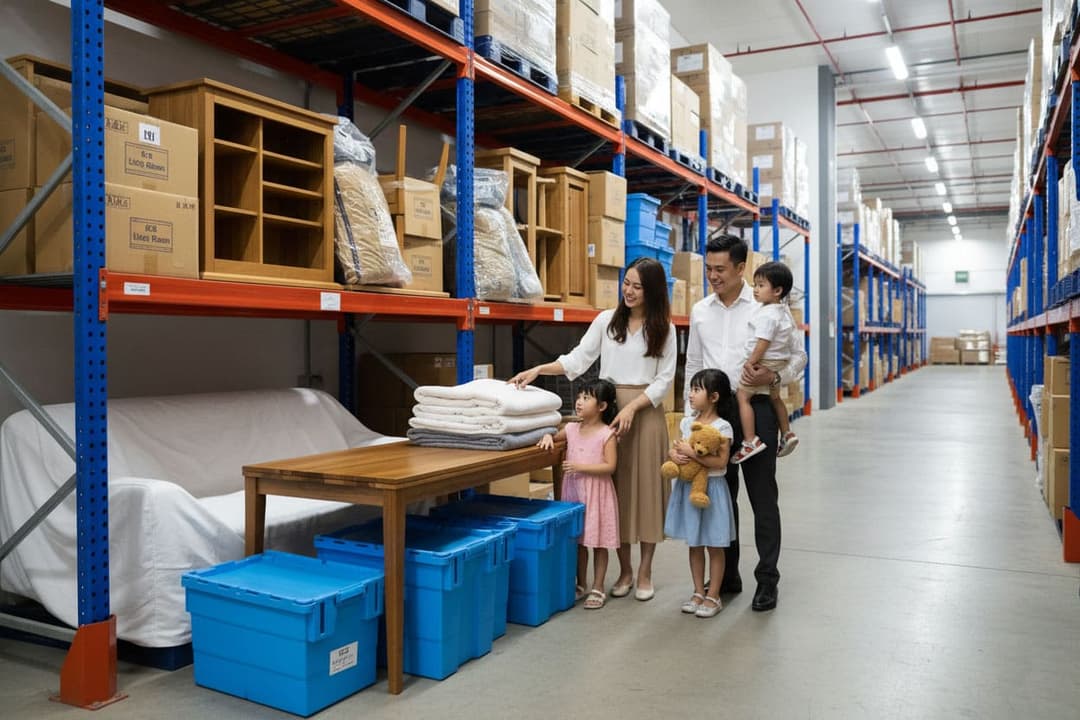
In modern urban life, more families are living in modest apartments or cramped homes. Belongings accumulate over the years, from clothes, books and personal items to seasonal equipment, making living space increasingly crowded and difficult to keep tidy.
One practical solution many families choose is putting belongings into household storage. It not only makes the home more open and spacious but also offers practical benefits:
- Save room and optimize living space: Move seldom-used belongings out of the way to keep the apartment tidy and clean.
- Keep belongings safe and well preserved: Choose a place with suitable conditions and pack correctly; storage does not automatically remove the risk of damage or mold.
- Flexibility and convenience: Items can be retrieved under the facility's rules; travel time and usage frequency still need considering.
Not every seldom-used item is worth paying to keep. First decide what is still needed, what should remain close by and what can be sold or given away; then compare rented storage with home storage using total costs and the expected period.

How Does Moving Some Belongings Into Storage Make Your Home Tidier?
Many people are surprised to see their homes become more spacious and orderly after moving some belongings into self-storage. The key is removing items that are not used every day from the living area and making room for everyday activities.
How Space Is Freed Up
- Move infrequently used items: Winter clothing, suitcases, sports equipment, decorations and old papers may be used only a few times a year but occupy substantial room. Moving them into self-storage or donating old clothes frees cupboards, corners, space under beds or even an entire storage room.
- Increase usable space: Only everyday essentials remain at home, making living areas more open, easier to organize and easier to clean. The space freed depends on the quantity and layout; storage does not increase the home's actual area, and there is no basis for guaranteeing it will become “twice as large.”
Key Features Of Self-Storage For Households
- A private space with its own key or PIN: Each customer has a separate unit rather than sharing, with control over access.
- Suitable access hours: Confirm access hours, appointment requirements and staffed hours at the specific location you choose.
- Check security and preservation: Compare cameras, access rights, environmental conditions and responsibility for incidents; do not treat these features as guarantees that loss or damage can never occur.
Your home keeps the things truly needed every day. Items needing storage, such as luggage, out-of-season clothing, keepsakes and seldom-used equipment can be stored as if you had an extra room outside the home, available when needed. Depending on the actual layout, this lets you return occupied areas to everyday use.
Self-storage is not just a way to save space: it can help you enjoy a more spacious, cleaner home and improve daily quality of life.
Decision Table: Store It Elsewhere Or Keep It At Home?
| Item group | Consider storage when | Keep it or choose another option when | Preparation |
|---|---|---|---|
| Furniture | You will use it again after moving or renovation | Long-term costs are unreasonable compared with its remaining value | Measure, check disassembly options and protect surfaces |
| Decorations | Used only seasonally or for events | Broken or not intended for reuse | Group by occasion and protect fragile pieces |
| Clothes and shoes | Out of season, clean and still planned for use | Worn regularly or no longer fit | Clean, dry and pack for the material |
| Books and records | Need keeping but are rarely accessed | Papers are needed immediately or do not need retaining | Make an inventory and use suitable boxes that are not too heavy |
| Children’s items | There is a specific reuse plan | No longer suitable or fail reuse safety requirements | Clean and check instructions and condition |
| Electronics | Still work and will be used again | Broken or no longer meet your needs | Follow manufacturer instructions and confirm battery policies |
| Sports equipment | Bulky and seldom used | Used daily or weekly and inconvenient to collect | Clean, dry and check accessories |
| Home-business stock | Needs separating from household activities | Order handling is required but the facility does not offer it | Check accepted goods, delivery hours and service charges |
Do not store something just because you have not decided whether you need it. Frequently used items should stay close; unwanted items can be sold, given away or donated after checking their condition. Accepted items depend on the facility's rules, particularly for liquids, chemicals, fuel, food and battery-powered items. Confirm before transporting them.
8 Groups Of Household Items Worth Considering For Storage
1. Seldom-Used Or Seasonal Furniture
Folding chairs, folding tables and old sofas often take up considerable room but are rarely used. Spare furniture kept for a future move, or furniture stored during construction or moving, can also be placed in storage for family convenience.
2. Seasonal Decorations
Christmas trees, Christmas ornaments and decorations for Tet, the Mid-Autumn Festival, Halloween or other events are used briefly each year but take up space all year. Storing them makes it easier to refresh your living area without clutter.
3. Seasonal Clothes And Shoes
Heavy coats, padded jackets, suitcases of winter clothing, cold-weather shoes and boots are needed only for a few months each year. Clothing storage keeps wardrobes spacious and makes organizing and choosing everyday outfits easier.
4. Infrequently Used Records, Documents And Books
Rarely read books, study materials and family records requiring long-term retention can be stored separately if they are not accessed often. Keep current documents within reach, make an inventory and check preservation conditions before storing. For business records, consult document storage services separately to compare management and retrieval requirements.

5. Young Children’s Belongings
Pushchairs, cots, high chairs, large toys or old clothes kept as mementos are often little used but occupy substantial space. Storage is a way to retain cherished keepsakes without crowding the home.
6. Electronics And Backup Equipment
Spare electronics such as old printers, secondary monitors, old PCs, livestream equipment and cameras not used daily can go into electronics storage to help avoid dust and damage and keep the home workspace tidy.
7. Sports Equipment
Bicycles, skateboards, golf clubs, tennis rackets and outdoor equipment such as tents, barbecues and camping gear are often used only on weekends or special occasions. Organizing sports equipment for storage helps free substantial space for daily living.
8. Home-Business Inventory That Should Be Separate From Household Items
Product boxes, packing supplies and online-sales inventory need their own space, particularly for e-commerce sellers or small household businesses.
E-commerce storage for these goods keeps living space orderly and makes management and transport easier when needed.
Sorting And Packing Before Storage
1. Group Items By Use
- Frequently used items: Everyday essentials should stay at home. Stored items needed occasionally should be easy to reach.
- Seldom-used items: Things used only a few times a year can go farther inside; place heavy items low and do not stack above load limits or compromise stability.
- Seasonal items: Group clothes, shoes, decorations and equipment used in a particular season separately.
- Keepsakes: Sentimental items such as photo albums and old gifts should be stored carefully and securely packed to avoid damage.
2. Use Cardboard Boxes And Lidded Plastic Containers
Choose strong cardboard boxes or lidded plastic containers with suitable dimensions and load capacity to limit dust and protect contents during transport. Sealed containers do not remove moisture already inside.
Pack only clean, dry belongings. Select materials according to each item's instructions; do not assume plastic boxes suit every situation.
3. Label And Make An Inventory
- Clearly mark each box with its category, for example “Winter clothes,” “Christmas decorations,” “Records 2023” or “Baby keepsakes.”
- Make a master list of boxes and containers with quantities and locations to find things easily and save time.
4. Packing With Moisture Risks In Mind
- Clean and dry belongings before packing; do not seal them in a box to conceal dampness.
- Check clothing care labels before using vacuum bags; do not compress every fabric in the same way.
- For books and documents, use clean, suitable padding; avoid direct contact between printed newspaper and items intended for long-term preservation.
- If using desiccant packets, follow their use and replacement instructions; they do not replace control of the storage environment.
- Schedule checks according to item sensitivity and actual conditions, especially after signs of water intrusion or unusual humidity.
Choose Storage That Suits Your Household
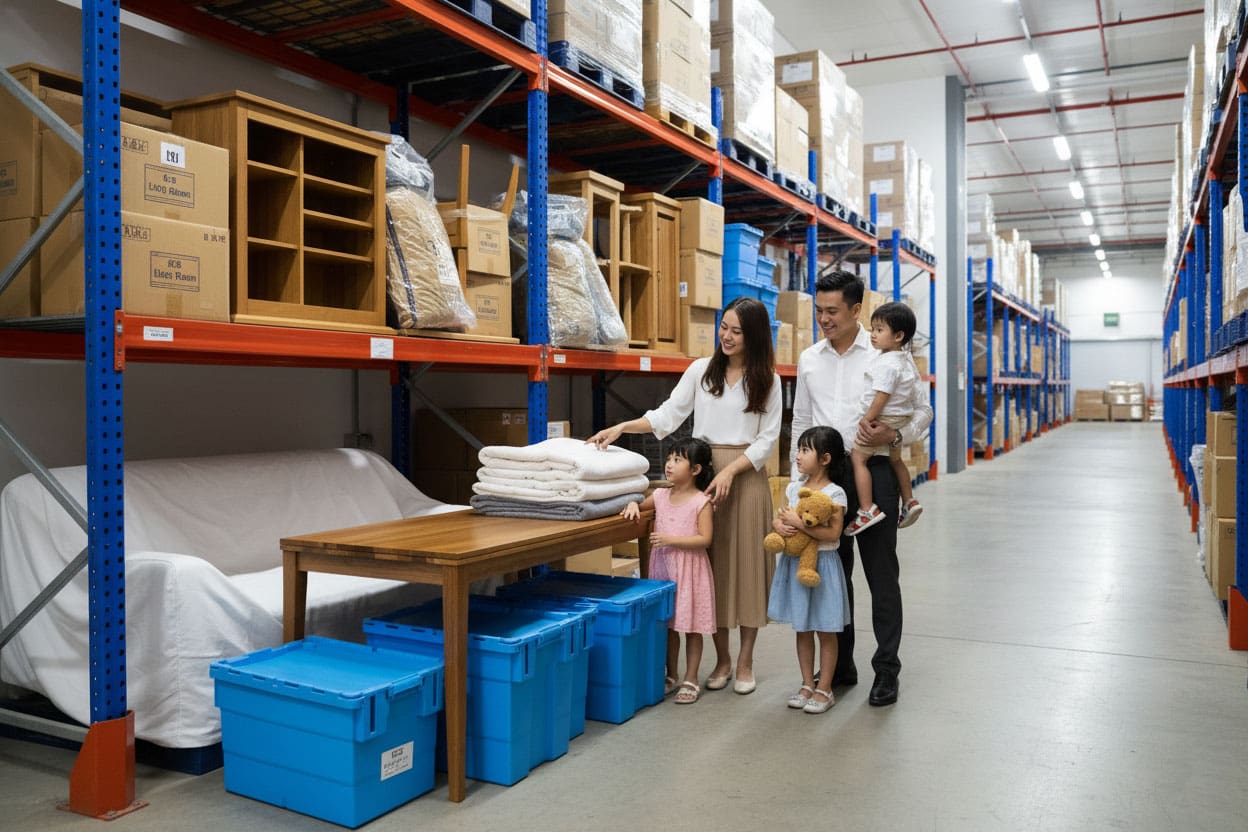
When considering MyStorage, send an inventory, expected duration and retrieval frequency to receive suitable advice. Inspect the specific location before deciding.

Ask whether the service provides a private unit or full-service storage, access rights, support hours and temperature and humidity conditions if your items have special needs. Also confirm accepted items, transport costs and responsibility if an incident occurs.
MyStorage offers various mini-storage sizes for personal belongings, seasonal clothing, seldom-used furniture, documents and business inventory. Whether you are a family, office or online shop, self-storage can free significant living and working space.
MyStorage also has a clothing donation cabinet, accepting used household items, shoes and clothes to support people in need.

Store only items that remain useful and that you plan to retrieve. For belongings kept at home, use these home storage organization methods to keep everything easy to find and clean.
View the MyStorage facility map at 375 Vo Nguyen Giap
Frequently Asked Questions
Does putting belongings in storage make the house twice as large?
It does not increase the home's actual floor area. It only frees space occupied by belongings; the sense of openness depends on how much is moved and how the remaining space is arranged.
Which household belongings should go into storage?
Prioritize items that remain useful but are rarely used, such as spare furniture, seasonal decorations, books worth keeping or bulky sports equipment. Check acceptance rules and storage costs.
Should old furniture go into storage?
Consider it if you plan to use it again and the cost is reasonable. If it is broken, no longer suitable or you do not know when you will reuse it, selling or giving it away may make more sense.
How should festive decorations be packed?
Group them by occasion, label clearly and protect fragile pieces. Dry them before boxing and check special requirements for lights or battery-powered items.
Should all clothes be vacuum-packed?
No. Packing depends on the material and care instructions. Store only clean, dry items and do not compress all clothing, blankets or materials in the same way.
Should children’s belongings be kept for reuse?
Only if there is a plan to use them and they are still suitable. Before reuse, check condition, manufacturer instructions and safety requirements rather than relying on an as-new appearance.
Should sports equipment used weekly go into storage?
Consider travel distance and collection time. Frequently used equipment may be more convenient at home; bulky items used only occasionally are better candidates for external storage.
Can online-sales stock be stored with household belongings?
Separate inventories and areas clearly for easier control. Ask about accepted goods, preservation conditions, inbound and outbound schedules and order-handling services before renting.
How does self-storage differ from full-service storage?
Self-storage usually lets tenants arrange and access belongings under facility rules. Full-service storage may include tasks performed by the provider; compare the exact scope, collection schedules and fees.
What should I check before choosing storage?
Check location, size, access hours, preservation conditions, accepted items, total costs and contractual responsibility. Do not choose solely because of promises of absolute safety or no mold ever.
Related articles
Article
Onshore vs Offshore: Which Manufacturing Model Should Businesses Choose?
Onshore manufacturing refers to production within a company’s home country, helping to control quality, shorten delivery times, and ensure easier regulatory compliance. Offshore…
Read article
Article
How To Organize Your Home Storage Room | 10 Space-Saving Tips
Organize household storage with ten practical tips, an inventory template, safety checks and guidance on when external storage is worth considering.
Read article

Article
Secrets to Profitable Online Selling: 10 Ways to Save Costs
To sell online profitably, you not only need to increase sales but also maintain good control over operating costs. Items such as inventory, premises, packaging, shipping, and order…
Read article
