
 Tiếng Việt
 한국어
 日本語
Article
Warehouse Storage Pallets: Choosing, Stacking and Optimising Space
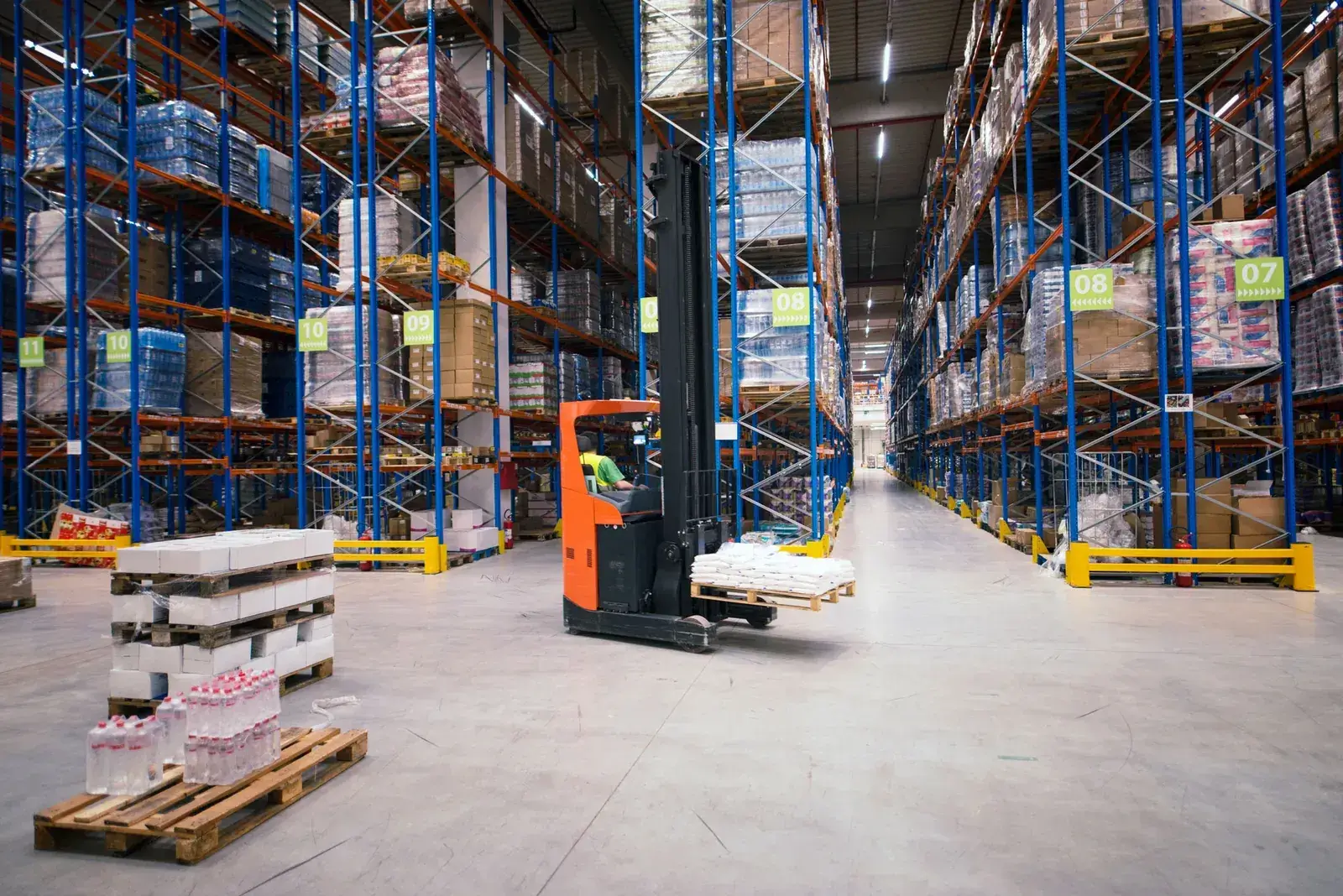
Pallets are the foundation that standardises the storage unit, keeps goods clear of damp floors and makes up to 70% better use of warehouse space when combined with high-bay racking. Choosing the right pallet material (wood, plastic, metal) and calculating static and dynamic load correctly lets a business run forklifts safely, shorten handling times and reduce storage costs.
In a modern supply chain, stacking pallets methodically in a brick-bond pattern and zoning by how fast goods move is the key to warehouse performance. This article takes you through size standards, a comparison of pallet types, and the safest, most space-efficient way to lay out your warehouse floor.
1. What Is a Storage Pallet?
A storage pallet is a flat, load-bearing structure used to secure, support and gather many small packages into a single unit load. It makes storing on high racking, handling by forklift and loading onto trucks far quicker, cuts manual labour to a minimum and keeps goods off a damp floor.
What pallets do in a warehouse
The arrival of the pallet changed the face of logistics entirely, thanks to its operational advantages:
- Faster loading and unloading: A forklift can move dozens of cartons at once in a few minutes, instead of workers carrying them one by one for hours.
- Protecting goods from damage: Lifting goods 10cm to 15cm off the floor prevents mould from moisture rising out of the ground, and limits damage if water gets in during the rainy season.
- Standardised management by SKU: Each pallet can hold a single product code in a fixed quantity, making stock counts, barcode scanning and reconciliation straightforward.
- Making full use of the ceiling height: A pallet is the prerequisite for installing high-bay racking systems, raising a warehouse's capacity three to five times compared with stacking on the floor.
The types of goods usually palletised
Most modern industrial and consumer goods are designed to work with pallet standards:
- Goods in standard cartons: Packaged food, drinks, cosmetics and toiletries, confectionery and fast-moving consumer goods (FMCG).
- Raw materials and production components: Bagged plastic pellets, packaging material, rolls of food film, electronic components and mechanical spare parts.
- E-commerce goods: Packages prepared in batches, or orders awaiting transfer to satellite distribution centres.
- Heavy and bulky goods: Bags of cement, chemicals in drums, and industrial machinery of significant size and weight.
2. The Common Types of Pallet Today
There are three main families on the market: wooden pallets, plastic pallets and metal pallets. Each has its own mechanical properties suited to a particular storage environment and budget. Choosing the right material means weighing up the initial cost, the service life, hygiene requirements and the technical demands of your industry.
Wooden pallets: properties and uses
The wooden pallet is the long-established solution and holds the largest share of the global warehousing industry:
- Key advantages: Low cost, easy to make to a required size, plentiful supply, and simple to reinforce with nails or repair when a board cracks.
- Technical limitations: Absorbs moisture readily, with a risk of termites and mould in a tropical monsoon climate; protruding nail heads or splinters can tear packaging.
- Export requirements: Wooden pallets used in international transport must undergo heat treatment to the ISPM 15 standard and carry a certification stamp, to stop biological pests spreading.
- Where they suit: Ordinary warehouses and one-way export shipments, where goods leave with the pallet and it is not returned.
Plastic pallets: properties and uses
Single-moulded plastic pallets are the ideal replacement for wood in industries with strict hygiene requirements:
- Key advantages: Completely waterproof, free of termites, chemical resistant, easy to clean with a pressure washer, and lasting five to ten times longer than wood.
- Technical limitations: The initial cost is two to three times that of wood; once the structure cracks it cannot be repaired, only sold on as recycled plastic.
- Where they suit: Cold food storage, GSP-compliant pharmaceutical warehouses, seafood processing plants, high-tech cleanrooms and closed-loop supply chains that recover and reuse their pallets.
Metal pallets: properties and uses
Pallets made from galvanised steel or aluminium alloy are the specialist segment for harsh industrial environments:
- Key advantages: Extremely high load capacity, non-combustible, no deformation at high temperature, and an almost indefinite service life with good maintenance.
- Technical limitations: The pallet itself is very heavy (from 20kg to over 30kg), fabrication costs are high, and it can oxidise and rust in a corrosive chemical environment.
- Where they suit: Warehouses holding heavy mechanical equipment, metal casting, defence industries, or outdoor storage systems with strict fire-resistance requirements.
A comparison of pallet types
The summary table below helps you weigh the key criteria before making a purchasing decision:
| Criteria | Wooden pallet | Plastic pallet | Metal pallet (steel) |
|---|---|---|---|
| Initial investment | Low, easy on the budget. | Medium to high. | Very high. |
| Ease of cleaning | Hard to clean, holds dirt. | Extremely easy to wash, good hygiene. | Easy to clean, resists dust. |
| Durability and service life | Medium (1 – 3 years). | Very high (5 – 10 years). | Extremely high (over 10 years). |
| Risk of termites and mould | Yes, needs ISPM 15 treatment. | None at all. | None at all. |
| Maximum load on racking | 500 – 1,000 kg. | 800 – 1,500 kg. | 1,500 – 3,000+ kg. |
| Best-suited industries | Retail, export, general warehousing. | Pharmaceuticals, food, cool storage. | Heavy engineering, military, chemicals. |
3. Criteria for Choosing Size and Load Capacity
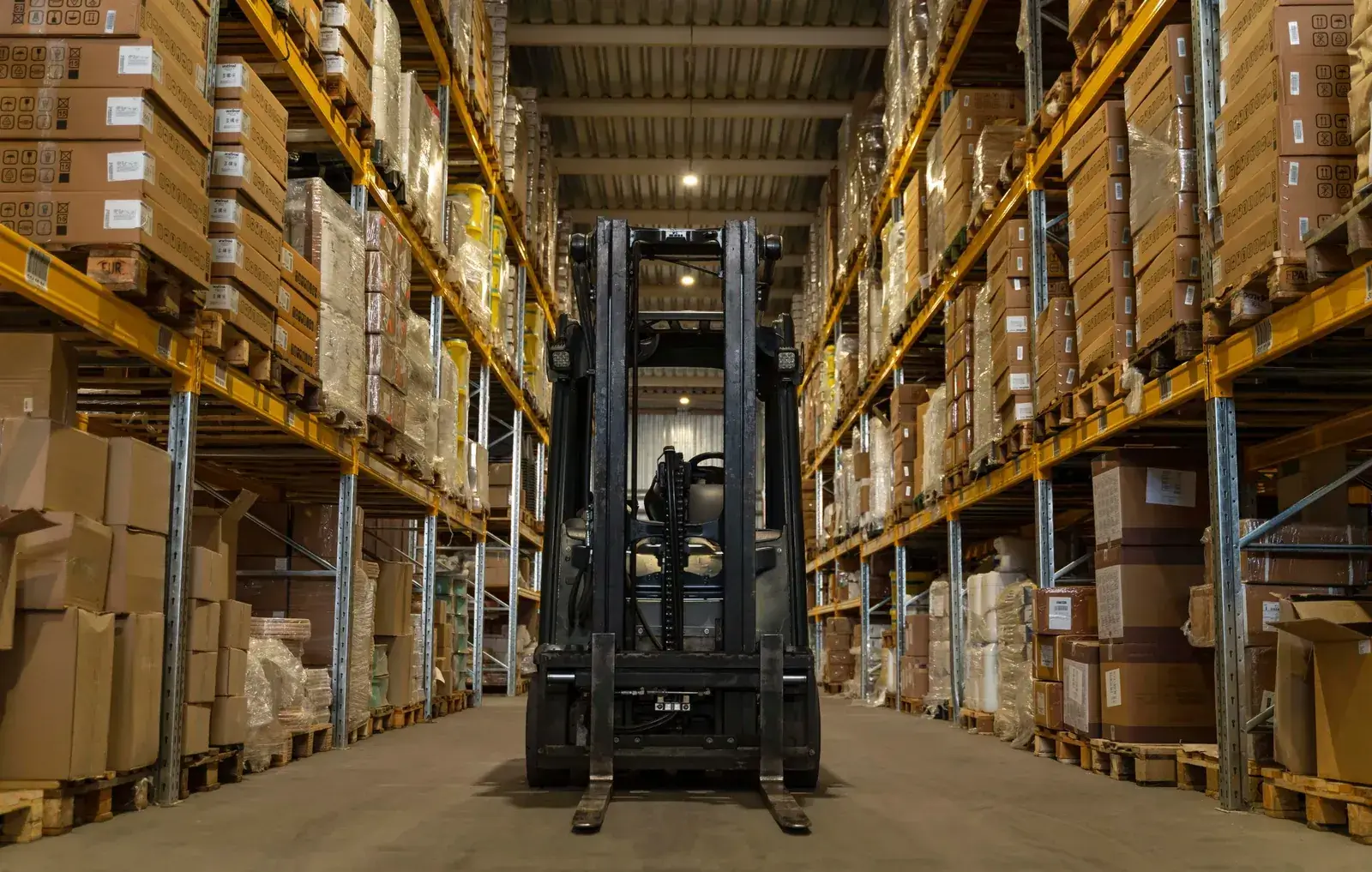
Pallet size and load capacity must align exactly with your package dimensions, the internal dimensions of your trucks and the beam spacing on your racking. A small discrepancy can mean the pallet will not fit the bay, the forklift forks will not slide in, or space in the truck is wasted on long hauls.
The technical specifications you must confirm
When buying or hiring pallets, be clear with your supplier about the following figures:
- Deck dimensions: The most common standard in Vietnam and across Asia, under ISO 6780, is 1100 × 1100 mm or 1000 × 1200 mm. The European standard (Euro Pallet) is 800 × 1200 mm, while the North American standard is 1016 × 1219 mm (40 × 48 inches).
- Static load: The maximum weight a pallet can support when standing still on a flat floor (usually 2,000 kg to 4,000 kg).
- Dynamic load: The maximum weight allowed when the pallet is lifted by a forklift and moved (usually 1,000 kg to 1,500 kg).
- Racking load: The maximum weight a pallet can bear when spanning two support beams on selective or drive-in racking (usually 500 kg to 1,200 kg).
A summary table of pallet sizes and load capacities
The table below gathers the figures you will meet most often, so you can check them quickly with a supplier:
| Size standard | Deck size (mm) | Market where it applies | Reference static load | Reference dynamic load | Reference racking load |
|---|---|---|---|---|---|
| ISO 6780 – Asia | 1100 × 1100 | Vietnam, Japan, Korea; the most common in domestic warehouses. | 2,000 – 4,000 kg | 1,000 – 1,500 kg | 700 – 1,200 kg |
| ISO 6780 – International | 1000 × 1200 | Sea export, 20ft and 40ft containers. | 2,000 – 4,000 kg | 1,000 – 1,500 kg | 700 – 1,200 kg |
| Euro Pallet (EPAL) | 800 × 1200 | The European market, goods imported from the EU. | Around 4,000 kg | Around 1,500 kg | Around 1,000 kg |
| North American standard (GMA) | 1016 × 1219 (40 × 48 inches) | The United States and Canada; goods shipped to North America. | Around 2,500 kg | Around 1,200 kg | Around 1,000 kg |
The three load figures in the table mean different things and cannot be swapped for one another: static load applies when the pallet rests on the floor, dynamic load when a forklift lifts and moves it, and racking load when the pallet spans two beams. Of the three, the racking load is always the lowest and is the figure that decides matters once you install high-bay racking, because the pallet then has to resist bending with no floor beneath it.
Choosing a pallet for your type of goods
Each type of goods has its own packaging structure, which calls for a matching pallet deck:
- Goods in soft packaging: Flour, rice and cement need a mesh-deck plastic pallet or a wooden pallet with closely spaced boards, so the bottom of the sack does not sag through a gap and split.
- Cartons with a small base: These need a fully flat deck or densely spaced boards to give the corners of the carton a stable footing, as covered in how to choose the right carton.
- Liquids in round drums: Use specialist pallets with locating grooves for the drum base, or spill-containment pallets with a tray underneath to catch leaks.
How to work out how many pallets you need
Planning the number accurately optimises both your purchasing cost and your storage area:
- Packages per pallet: Divide the pallet deck area by the base area of your carton to find how many fit in one layer, then multiply by the number of layers you can safely stack.
- Total pallets by inventory: Divide the total quantity you expect to hold of each SKU by the quantity on one pallet to find the number of pallet positions needed. Converting that into occupied volume is covered in what CBM is.
- Allow for circulation: Always add 10% to 15% spare pallets for new consignments awaiting sorting and for pallets in transit between branches.
4. How to Stack Pallets Safely and Efficiently
Stacking goods on a pallet and planning the flow of movement through a warehouse combines workplace safety with density of use. A load stacked off-centre can tip a forklift in an instant, while aisles that do not match the vehicle's turning radius will choke the whole goods-in and goods-out operation.
Rules for stacking onto the pallet deck
Following these geometric rules strictly keeps a load stable while it is lifted and moved:
- Distribute weight evenly: The centre of gravity of the whole load must sit in the middle of the pallet, with heavy goods on the bottom layers and lighter goods above.
- The brick-bond rule: Do not stack cartons in independent vertical columns; interlock the layers so they form a solid, bonded block.
- Never let goods overhang: A load extending more than 2cm past the edge of the pallet reduces the compressive strength of the carton by up to 30% and is easily knocked and torn in transit.
- Secure with film and strapping: Wrap stretch film from the foot of the pallet to the top of the load, at least three to five turns, and add PP or PET strapping for loads over 1.5 metres high.
Options for laying out a pallet warehouse
Depending on your floor area and how fast goods turn over, you can apply the following layouts:
- Floor storage: Pallets placed directly on the warehouse floor in rows; suited to large floor areas, heavy goods or full-batch movements, but it makes poor use of the height.
- Selective racking: The most common model, giving forklifts direct access to 100% of pallet positions independently; very flexible for warehouses with many different SKUs.
- High-density racking (drive-in / radio shuttle): The forklift can drive into the rack, or a robot carries pallets deep inside; this makes up to 80% better use of the warehouse volume and suits large quantities with few variants under LIFO or FIFO. The guide to warehouse design examines how to choose a model by scale in more depth.
Mistakes to avoid when running a pallet warehouse
Complacent habits in warehouse operation often lead to serious losses:
- Using pallets with cracked structures: Pressing a wooden pallet with a broken board, or a plastic pallet with a cracked foot, into service for heavy goods risks a sudden collapse while it is up on the racking.
- Stacking so the forklift driver cannot see: A load stacked too high blocks the driver's forward view, forcing the forklift to reverse and putting pedestrians at risk.
- Blocking fire exits and hydrants: Putting a pallet down temporarily across an escape route, or in front of a fire cabinet or extinguisher, is a serious breach of warehouse fire-safety regulations that carries real legal consequences.
Every goods-in, storage, checking and goods-out step should be written down as a standard; see the seven-step standard warehouse operating process for the minimum you should have in place.
5. When Should You Optimise or Expand Your Warehouse?
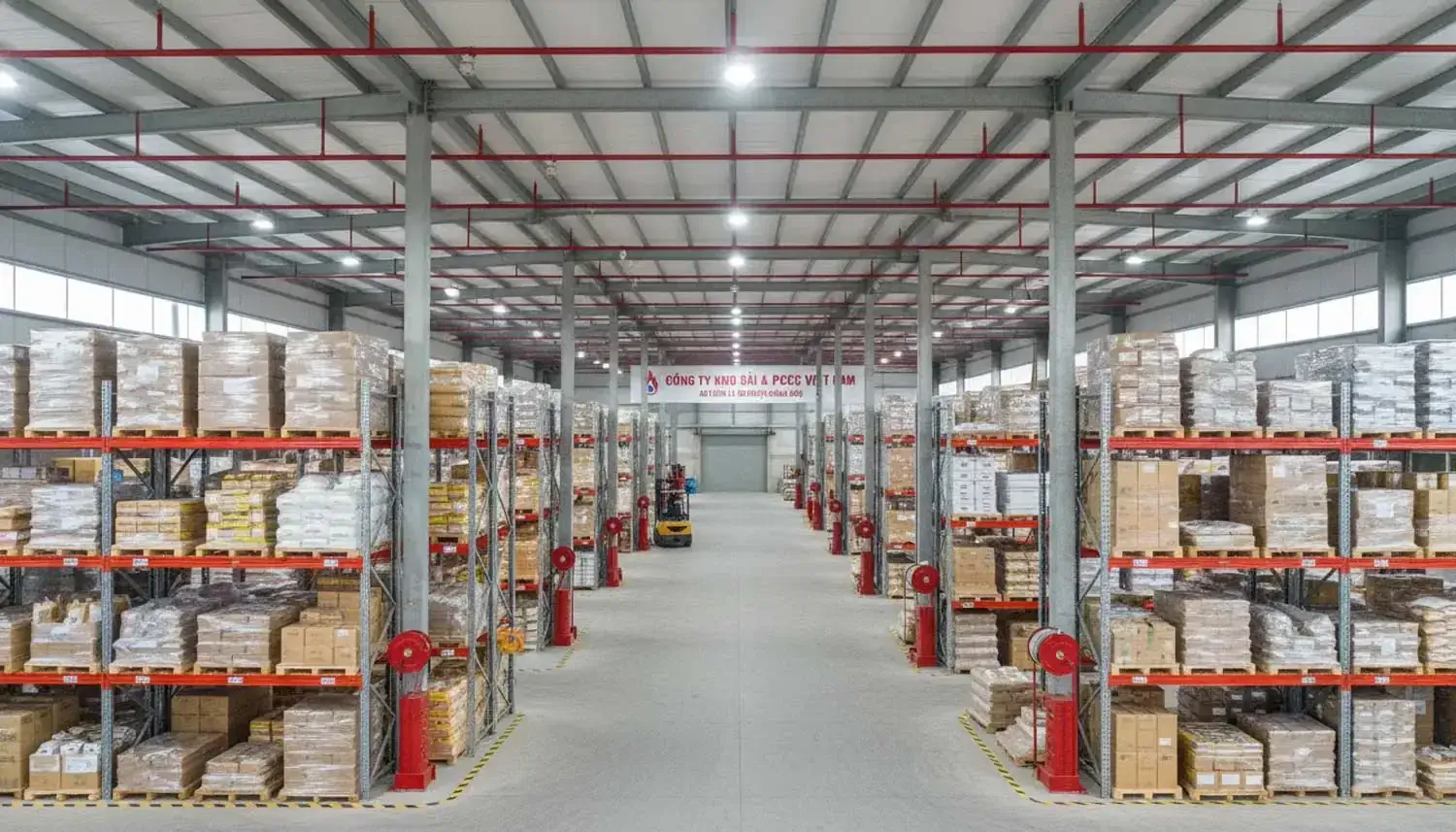
Many managers think straight away about renting more space when pallets start spilling into the aisles, but in reality up to 70% of overcrowding comes from an inefficient flow layout. Reviewing your stock profile, clearing slow movers and redesigning the floor plan should come first, before you decide to spend on more space.
Signs that a pallet warehouse is running badly
It is time to audit your warehouse if you notice the following:
- Many empty pallet positions that cannot be used: Goods are stacked so untidily that the forklift cannot place a new pallet into the empty bays inside.
- Slow movers in the prime positions: Pallets of unsold or warranty stock sit right by the warehouse door, forcing the forklift to travel much further for fast-moving pallets.
- Searching and picking takes too long: A forklift driver spends more than 10 minutes just finding one pallet, because there is no coordinate location map. Sensors and IoT systems in the warehouse can cut that time considerably.
What to optimise before renting more space
Make the most of the space you already have with methodical organisation:
- Apply ABC analysis to pallet positions: Move group A pallets (fast sellers, quick turnover) near the dispatch area and onto the lower rack levels; move group C pallets (slow sellers) to the highest levels or the back corners, following the principle of A, B, C classification.
- Clear long-standing stock: Filter the list of pallets held for more than 90 days and plan to clear them, recover capital and free up floor space. Stock left too long also creates waste when it eventually has to be destroyed.
- Convert to high-bay racking: If your warehouse ceiling is over 6 metres but you are still floor-stacking pallets, investing in racking will immediately double your capacity without renting another square metre.
- Rearrange the flow of goods: Applying a methodical warehouse organisation system helps you use all the area you already have before you think about expanding.
When it is worth renting extra space
Only look for additional warehouse space outside when:
- Actual incoming volume exceeds 85% of the nominal capacity of your pallet racking for several consecutive months.
- You need a separate warehouse for seasonal projects (Tet, major promotions) running for a short period of two to six months.
- You need to separate reserve stock from the packing area and the office to meet fire-safety requirements.
Before settling on an area, read renting storage by m³ versus m² to pick the right basis for charging, or consider third-party logistics if you want to hand over order handling as well.
Not sure how many cubic metres your goods come to? Photograph your packages and let MyStorage's AI Size Estimator work it out for you:
MyStorage: flexible storage for businesses
For small and medium enterprises and larger online shops that need more space for packaged goods in Ho Chi Minh City, without being tied into a long-term industrial lease, MyStorage is a dependable partner:
- A range of storage spaces: Private storage rooms from 10m² to over 50m² with a 2.8-metre ceiling and a high load-bearing floor, suited to arranging cartons or business equipment tidily. Preview the mini storage sizes to picture the capacity.
- Close climate control with air conditioning: The cool storage system holds temperature below 25°C and humidity under 60%, giving absolute protection to sensitive products such as cosmetics, leather goods, electronic components and high-value consumer goods.
- Flexible rental terms: Rent month by month, expand at peak season and scale back when a campaign ends, to keep cash flow efficient. Details of the facilities are on the locations page.
A note on operating standards:
MyStorage's self-storage model is designed for handling with dedicated hand trolleys and indoor goods lifts. The facility does not allow diesel or electric industrial forklifts to drive directly into the storage rooms; large industrial pallet consignments sent to MyStorage are unloaded and arranged into the room with assistance, following the facility's safety standards.
Reference Prices for Pallets and Storage
Below are reference prices for buying pallets and for goods storage services in the Ho Chi Minh City market:
| Product / service | Standard specification | Reference price | Typical application |
|---|---|---|---|
| Acacia / pine wooden pallet | 1000 × 1200 mm (1-tonne dynamic load) | 130,000 – 220,000 VND each | ISPM 15 treated; for export goods or an ordinary dry warehouse. |
| Recycled plastic pallet | 1100 × 1100 mm (1-tonne dynamic load) | 280,000 – 450,000 VND each | Mesh deck, good moisture resistance; ideal for domestic storage with many cycles. |
| Premium virgin plastic pallet | 1000 × 1200 mm (1-tonne racking load) | 650,000 – 1,100,000 VND each | For high-bay racking; withstands deep-freeze temperatures. |
| Air-conditioned self-storage room (MyStorage) | From 10 – 25 m² | 4,500,000 – 9,500,000 VND / month | Air-conditioned, 24/7 security; ideal for packaged goods of online shops and SMEs. |
Please note: the prices above are indicative for the southern Vietnamese market in late 2026. Actual unit prices vary with order quantity, material standard and the term committed in the contract. See also storage costs in Ho Chi Minh City for comparison.
Pick a storage type, size and temperature option to see today's MyStorage price instantly and book with an offer:
Managing Pallets Well to Lift Performance
A pallet is not simply a wooden or plastic board under your goods; it is a strategic lever that decides the throughput and safety of your entire warehouse operation. By choosing the right material, understanding the static and dynamic load limits and applying the brick-bond stacking standard, a business can genuinely reduce damage and maximise the volume it can hold.
Review your warehouse floor regularly and take damaged pallets out of service to protect the people operating there. If you are torn between storing goods yourself and renting outside, the article on renting storage versus storing it yourself will help you balance the total cost.
If your business needs more secure storage space with proper air conditioning and a flexible area in Ho Chi Minh City, get in touch with MyStorage for advice on the best storage option.
This article was written by the MyStorage team, drawing on our experience running storage services in Ho Chi Minh City; last updated October 2026. The prices given here are indicative at the time of writing.
Frequently Asked Questions
Which materials are common for storage pallets?
The three most common materials today are wood (cheap, easy to repair), plastic (waterproof, durable, easy to clean) and metal in steel or aluminium (very heavy load capacity, fire resistant).
When should you choose wood over plastic?
Choose wooden pallets when you need to keep the initial cost down, when the goods go out on a one-way export shipment that is not recovered, or when the goods do not require strict cleanroom standards.
What is the ISPM 15 standard on wooden pallets?
ISPM 15 is the international standard for phytosanitary measures on wood packaging material; wooden pallets must be heat treated or fumigated and carry a certification stamp, to stop harmful insects spreading across borders.
How do static and dynamic load differ?
Static load is the maximum weight a pallet bears standing still on a flat floor, while dynamic load is the maximum allowed when a forklift lifts it off the ground and moves it.
What is a pallet's racking load?
It is the maximum weight a pallet can safely bear when spanning two support beams on racking, without sagging beyond the allowance or cracking its structure.
What is the most common standard pallet size in Vietnam?
The sizes used most widely in Vietnamese warehouses are 1100 × 1100 mm and 1000 × 1200 mm under the international ISO 6780 standard, which fit truck bodies and shipping containers well.
Should pallets be placed directly on the warehouse floor?
You can place them directly on the floor if the warehouse has a large area and goods move in full batches; with many SKUs, however, install racking to use the height and to pick individual items more easily.
Why should goods not overhang the edge of the pallet?
Overhanging reduces the load capacity of the bottom carton by up to 30%, so the carton crushes easily and the packaging is readily knocked and torn while the forklift is moving it.
What is the benefit of brick-bond (interlocked) stacking?
Interlocking the layers removes the vertical seams between columns of goods, forming a solid bonded block that resists toppling when the forklift turns or brakes sharply.
How many turns of stretch film are enough for a pallet?
For a standard load 1.5m to 1.8m high, wrap at least three to five turns at the foot to fix the load to the deck, two to three turns around the body, and finish with three turns at the top.
How does recycled plastic differ from virgin plastic in a pallet?
Recycled plastic pallets are made from reprocessed plastic: cheaper, but more brittle and with a lower load capacity. Virgin plastic pallets are made from 100% new resin, so they are tougher, more durable and able to withstand deep-freeze temperatures.
Can industrial forklifts operate inside MyStorage self-storage?
No. MyStorage self-storage is designed for the safety of individuals and small businesses, using hand trolleys and dedicated goods lifts; diesel and electric forklifts are not permitted in the corridors.
How long does a plastic pallet last on average?
Used within its load rating and kept indoors out of direct sunlight, a virgin plastic pallet lasts five to ten years on average.
What can be done with old, damaged wooden pallets?
You can reuse the sound boards to repair other pallets, or sell them on to wood recycling workshops or makers of decorative pallet furniture.
How many standard pallets fit on a 2.5-tonne truck?
A typical 2.5-tonne box truck has a body around 4.3 metres long and can hold four to six standard 1000 × 1200 mm pallets placed side by side on the floor.
Related articles

Article
Renting Storage by m³ or m²: Which Pricing Method Should You Choose?
Comparing storage rental by m² and by m³ in Ho Chi Minh City: what each unit measures, the formulas with worked examples, the extra fees people miss, when to choose area or volume, a…
Read article

Article
The Role of Storage in Reducing Waste
How proper storage cuts waste: why poor conditions spoil goods, how businesses control stock and track four key metrics, how households sort before discarding, and the warehouse standards…
Read article
Article
Where to Store Old Tech: Storing Laptops, Monitors and Accessories
A guide to storing old tech in Ho Chi Minh City: when to keep or sell a laptop, monitor or accessory; how to clean, hold batteries at 50% and pack against moisture; the ideal temperature…
Read article
