
 Tiếng Việt
 한국어
 日本語
Article
What Is Dry Storage? How Dry, Cool And Cold Storage Differ 2027
On this page
Dry storage is warehouse space that holds goods at normal ambient temperature, usually 15°C to 30°C, in dry conditions and without deep refrigeration. Choosing correctly between dry, cool and cold storage, and climate-controlled storage, helps businesses and households avoid damaged goods without paying for cooling their goods do not need in 2027.
What Is Dry Storage And What Defines It
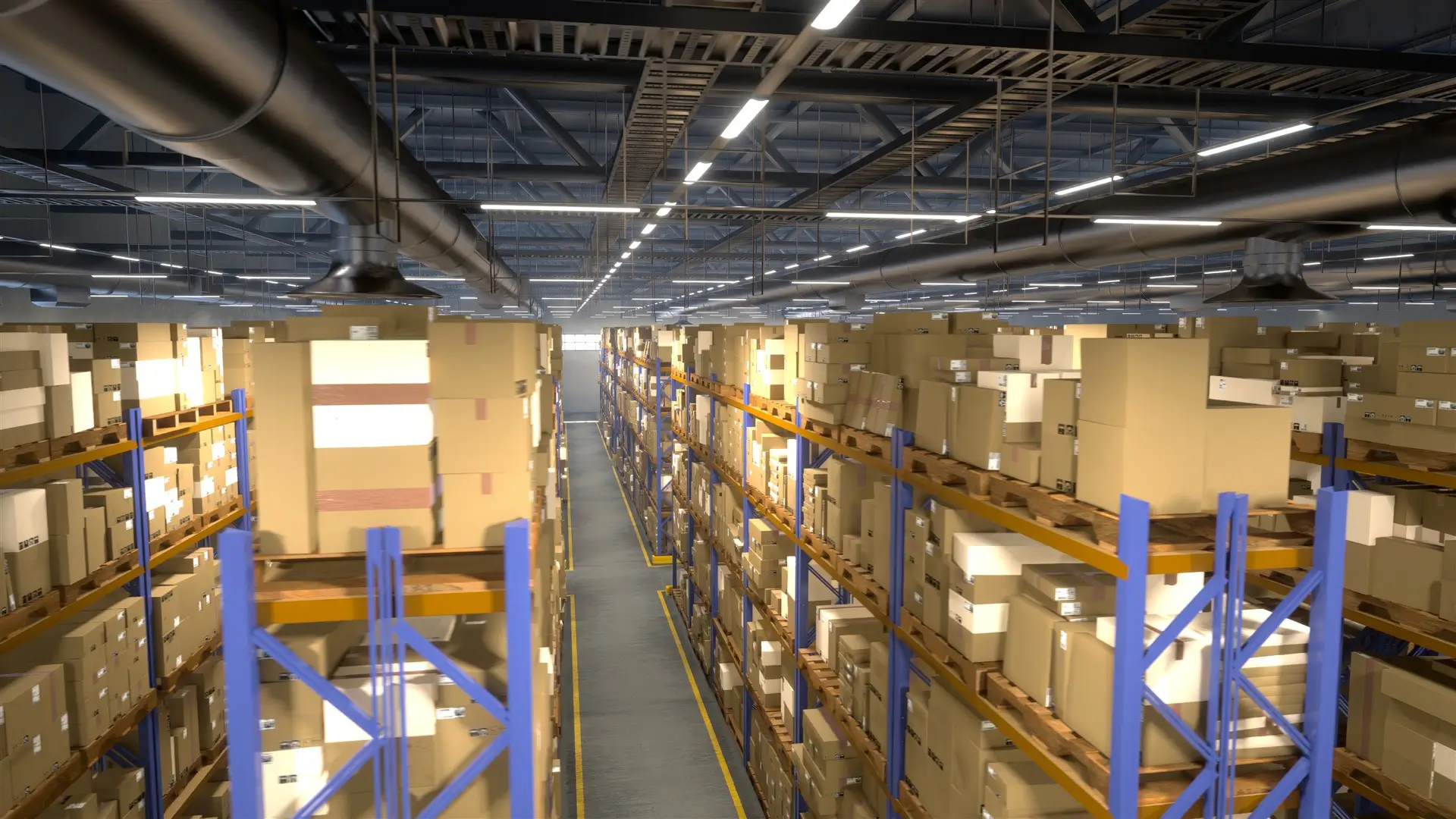
Dry storage is the most common type of storage space in the supply chain: enclosed, ventilated and waterproof, built to hold stable goods at room temperature. It needs no freezing or industrial refrigeration, but it must still meet standards for damp and mould control, pest control and fire prevention and fighting (PCCC) so goods do not spoil before they are sold or used.
Goods kept in a poor warehouse usually go through the same chain of damage: cartons go soft, labels peel, metal rusts, then mould spreads fast. Vietnam has a long rainy season in the south and high humidity in the north, so a dry warehouse that meets the 2027 standard must keep its internal climate stable and separate goods from rain, direct sun and moisture rising from the floor. Many facilities pair ventilation with dehumidifiers, and the role of dehumidifiers in storage analyses when that equipment is worth the investment.
The four parameters below are a quick reference for recognising a compliant dry warehouse:
| Parameter | Reference level | Why it matters |
|---|---|---|
| Temperature | 15°C to 30°C | Keeps tape, thin plastic packaging and the shelf life of packaged food stable |
| Relative humidity (RH) | Below 65%, ideally below 60% | Prevents mould, collapsing paper and caking |
| Distance from the floor | 10 to 15 cm | Avoids rising damp and water that spreads in rain |
| Distance from the wall | 20 to 30 cm | Lets air move around loads and makes pest checks easier |
Temperature And Humidity Conditions In Dry Storage
A standard dry warehouse keeps a natural temperature of about 15°C to 30°C and a relative humidity (RH) below 65% to prevent mould and packaging damage. At this level most sealed, packaged goods keep their structure and commercial quality for the whole storage period, as long as the warehouse is ventilated and does not leak.
The US Environmental Protection Agency (EPA) advises keeping indoor relative humidity below 60%, ideally between 30% and 50%, in A Brief Guide to Mold, Moisture and Your Home (updated February 18, 2026). When humidity stays above about 70% for a long time, each material fails in its own way:
- Cardboard: absorbs water, softens and loses stacking strength.
- Fabric and clothing: develops white mould and an unpleasant smell.
- Natural wood: swells with moisture and later tends to warp.
- Dry food: absorbs moisture, cakes and loses quality.
Temperature swings also need watching. A dry warehouse without roof insulation can heat up to 38°C to 42°C on a scorching day. That does not damage raw goods at once, but it weakens tape adhesion, deforms thin plastic packaging and shortens the shelf life of packaged food. Temperature and humidity sensors in warehouse management let you track these readings continuously instead of checking by hand.
Standard Dry Storage Infrastructure
A compliant dry warehouse has a waterproofed concrete floor above street level, an insulated roof, cross-ventilation and racks or pallets that keep goods off the floor. Each item serves two goals: protecting goods from weather and making the most of storage space, so ask about each item when you inspect.
The core technical requirements of a standard dry warehouse are:
- Floor and waterproofing: a concrete floor treated against rising damp, topped with a hardener layer that limits fine dust (epoxy paint or floor hardener) and set above the area's historical flood level.
- Insulated roof and walls: PU insulated sheet, glass wool or panels reduce heat radiation and limit condensation on the ceiling when seasons change.
- Ventilation and lighting: industrial fans and air intakes with insect screens keep air moving, with LED lights that give off little heat.
- Keeping goods off floors and walls: every carton sits on a wooden pallet, plastic pallet or rack, at least 10 to 15 cm above the floor and 20 to 30 cm from the wall to avoid moisture and allow pest checks. Choosing supports is covered in the most common warehouse racking types and pallets for warehouse storage.
How Dry, Cool And Cold Storage Differ
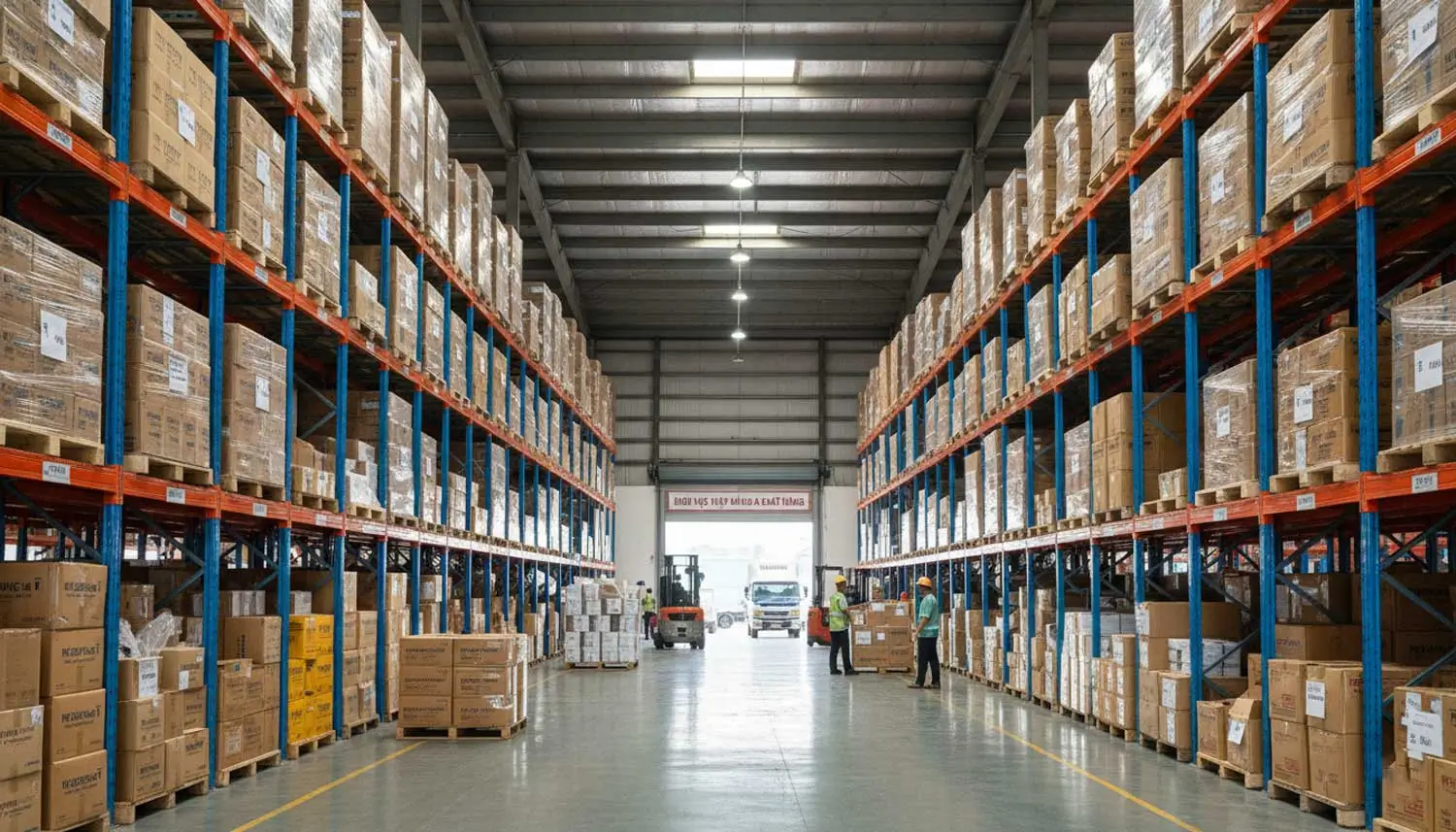
The three types differ in the temperature they hold, the cooling equipment they use and the goods they can safely store. Choosing the wrong type can spoil goods at once or push electricity and rent up many times for cooling the goods do not need. This section compares the three by temperature, operating cost and a five-criteria table.
Many new businesses blur the line between the three, sending heat-sensitive goods to dry storage or renting cool storage for goods that are stable at normal temperature anyway. Drawing the line early keeps the logistics cost structure leaner.
Differences In Storage Temperature
Dry storage holds ambient temperature (15°C to 30°C), cool storage keeps a stable lower level (usually 10°C to 20°C or 2°C to 8°C depending on the goods), and deep cold storage runs below 0°C for freezing. This temperature range determines the whole building envelope and the technology that goes with it.
- Dry storage: no deep cooling; insulation and natural or fan ventilation keep the temperature from straying far from a standard room.
- Cool storage: uses industrial air conditioning or refrigeration units to hold a stable base temperature well below the outdoors. Cool storage commonly holds fresh produce, fruit, chocolate, cosmetics with biologically active ingredients, pharmaceuticals that need cool storage and wine; wine storage advice from experts sets out the right temperature and humidity. For small volumes, cool and mini cold storage with air conditioning in Ho Chi Minh City is one route.
- Cold storage: uses thick insulated panels, airtight doors and large compressors to take the temperature far below zero, usually -18°C to -25°C or lower. It is mandatory for fresh meat and fish, export seafood, ice cream and frozen food. Cold storage types in Ho Chi Minh City differ by temperature range and goods, and cold storage rental in Ho Chi Minh City classifies each type with selection criteria.
Differences In Operating Cost
Dry storage has the lowest investment and operating cost because it does not burn electricity on compressors running 24/7 as cool and cold storage do. The cost gap between the three directly reflects how complex the technical infrastructure is and how much power it consumes. That is why the temperature printed on your goods should decide the storage type before anything else.
The total cost of renting storage in 2027 depends on four groups of factors:
- Energy use: cold and cool storage need stable three-phase power, large backup generators and regular compressor maintenance, so the price per m² or per pallet position is clearly higher than dry storage.
- Construction: dry storage follows a standard build, with no buffer chambers to hold temperature, no anti-freeze insulated floor and no dense network of temperature alarm sensors.
- Location and area: storage near city centres, seaports or airports costs more than outer districts; a larger area or longer contract usually brings a better unit price.
- Security and fire safety: modern facilities with sprinklers, 24/7 cameras and dedicated guards usually charge service fees that differ from informal household warehouses, and warehouse security systems lists what to check.
To budget for 2027, identify the temperature range printed on the product packaging, then request a quote for the actual area you need.
Dry, Cool And Cold Storage Comparison Table
The table below summarises five technical criteria that separate dry, cool and cold storage: temperature range, humidity control, core equipment, typical goods and power consumption. Read down the column for the type you are considering, then match it against the goods you need to store to choose correctly from the start.
| Criterion | Dry storage | Cool storage | Cold storage |
|---|---|---|---|
| Standard temperature range | 15°C to 30°C (room temperature) | 2°C to 8°C or 10°C to 20°C | Below 0°C (commonly -18°C to -25°C) |
| Humidity control | Natural or fan ventilation (RH below 65%) | Tightly controlled by goods group | Controlled automatically by the evaporator |
| Core equipment | Insulated roof, ventilation fans, racks | Insulated panels, industrial air conditioning | Thick panels, compressor units, airtight doors |
| Typical goods | Dry food, household goods, textiles, packaging | Fruit, vegetables, wine, cool-chain pharmaceuticals | Seafood, frozen meat, ice cream, deep-frozen vaccines |
| Power consumption | Low (mainly lighting and ventilation) | Medium to high (runs continuously) | Very high (compressors and 24/7 backup systems) |
What Is Temperature- And Humidity-Controlled Storage
Temperature- and humidity-controlled storage (climate-controlled storage) is an upgrade of dry storage that uses air conditioning and dehumidifiers to keep the environment stable all year regardless of the weather outside. It is the middle option for high-value assets that are sensitive to heat and damp but do not need the deep cold of the cold chain.
In Ho Chi Minh City or Hanoi, the sharp swing between scorching dry weather and long wet spells exposes the limits of a tin-roof dry warehouse. Climate-controlled storage fills that gap with conditions close to a room with standard air conditioning. For small volumes that need only a moderate chill, cool and mini cold storage with air conditioning suits better than industrial cold storage.
How Climate-Controlled Storage Differs From Dry Storage
Climate-controlled storage actively holds a stable temperature (usually around 20°C to 25°C) and humidity within a safe range, while traditional dry storage depends on the weather outside. This steady control removes thermal expansion and condensation on the surface of goods. For goods that suffer from damp or heat, that stability is the main reason to pay the higher rent.
In an ordinary dry warehouse the temperature at noon and at night can differ by 10°C to 15°C. When the temperature drops fast at night, moisture condenses into tiny droplets inside cartons or on metal, causing rust and mould that go unnoticed. Climate-controlled storage keeps readings within a narrow band for 24 hours, which avoids this; signs of damp to check when storing goods through the rainy season are listed in how to protect belongings in the rainy season.

When To Rent Humidity-Controlled Storage
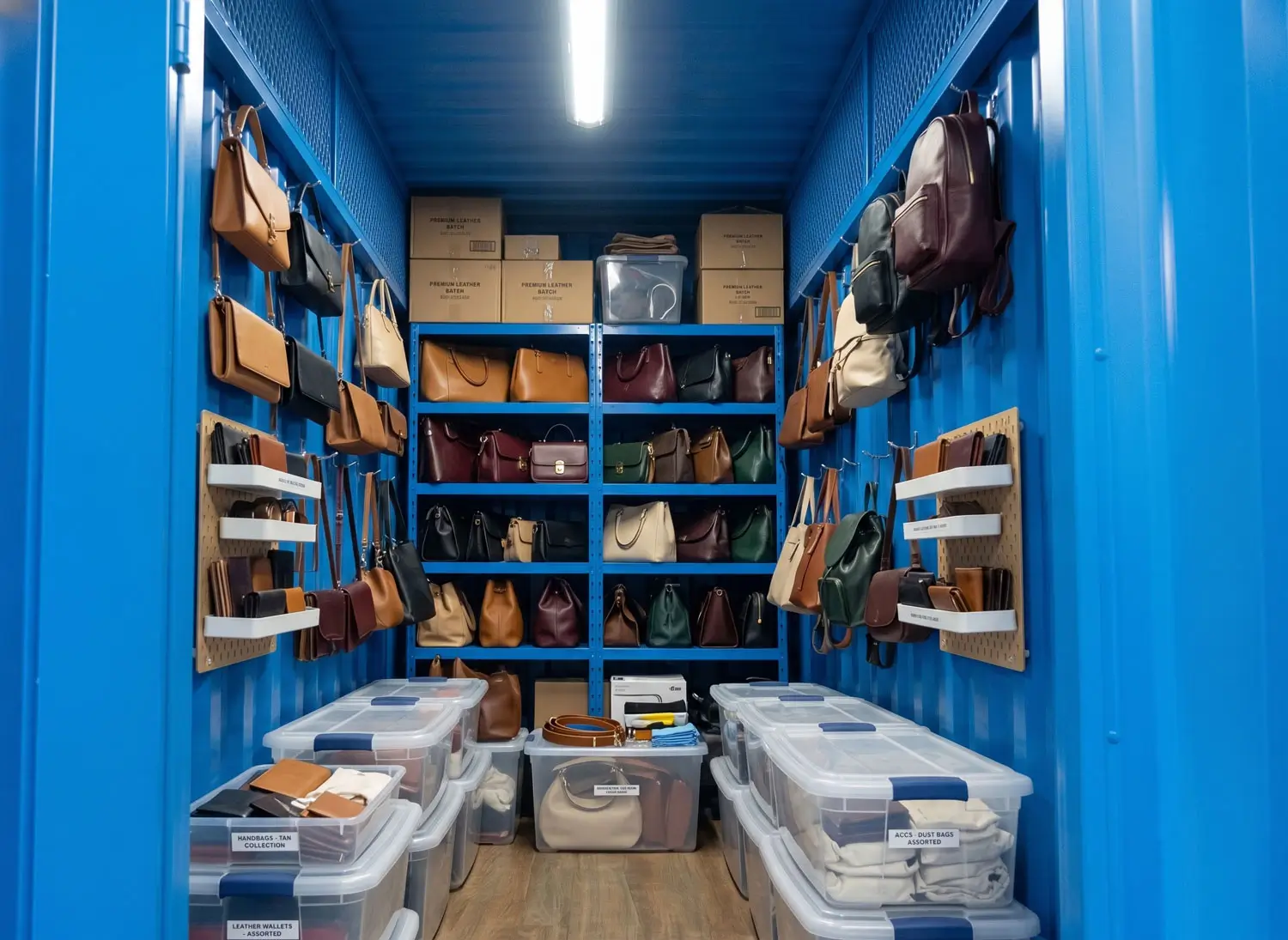
Choose temperature- and humidity-controlled storage when keeping wooden furniture, electronic components, important paper records, cameras, musical instruments or leather goods for a long time. These materials are very sensitive to high humidity and sudden temperature change, so the extra cost of stable conditions is worth paying. Compare the cost of stable conditions with the value of the items before you decide.
The US Department of Agriculture Forest Products Laboratory (USDA Forest Products Laboratory) describes wood as a naturally hygroscopic material: it swells as humidity rises and shrinks as it falls. Wooden furniture kept without humidity control therefore tends to warp, crack its paint and loosen glue joints. Paper yellows, leather cracks and circuit pins oxidise in the same way when conditions swing.
Each group of items needs its own care:
- Wooden furniture: raise it off the floor, wrap it so it can breathe and check humidity regularly, as protecting wooden furniture in the rainy season explains.
- Electronic parts and devices: keep them in sealed boxes with moisture absorbers and avoid sudden temperature change, as in how to store electronics safely.
- Records, books and papers: use sealed boxes in a cool, dry place so paper does not yellow; how to preserve books, records and papers goes into each type.
- Leather goods and handbags: avoid damp and direct sun so leather does not crack or grow mould, and storage for handbags and leather goods describes suitable conditions.
- Wine: needs a stable temperature and little vibration, so many owners choose a private unit such as the wine storage service.
Goods Suitable For Dry Storage
Dry storage suits most consumer goods that do not spoil easily at normal temperature: sealed packaged food, textiles, household goods, packaging and building materials. Sorting goods into the right group before they enter storage helps with sensible shelving and avoids cross-contamination of smell or pests between groups. Keeping food, textiles and household goods in separate zones also makes inventory checks quicker.
The standard dry goods intake process has five steps:
- Sort by goods group: separate food, textiles, household goods and packaging into their own zones.
- Check packaging seals: reject torn, damp or pest-marked cartons at once.
- Pack against moisture: wrap goods and use moisture absorbers for damp-sensitive items.
- Place on pallets or racks: keep the distance from floor and wall described in the infrastructure section.
- Manage shelf life: choose FEFO or FIFO for each goods group; FIFO and FEFO explains how to apply them.
Consumer Goods And Dry Food
Rice, cereals, instant noodles, canned food, spices, tea, roasted ground coffee and bottled drinks are the most common goods in dry storage. They have been dried, sterilised or sealed airtight to extend shelf life at room temperature, so the main risks are damp, pests and shelf life management. Checking each lot on arrival keeps problems from spreading to other goods.
When storing dry food, businesses should follow two principles:
- Integrated pest management (IPM): set traps for insects, weevils and rodents regularly around the perimeter and never leave food crumbs on the floor.
- First expired, first out (FEFO): place lots closest to expiry where they are easy to reach so near-date goods are not stuck deep in the racking.
Furniture, Household Items And Documents
Household goods, fashion items, office equipment, books, plastic packaging and company documents store well in clean, waterproof dry storage. These non-food groups can stay anywhere from a few weeks to many years, so packing quality decides their condition when taken out. Good packing also protects the goods against dust, damp and crushing while they wait.
Wrap products in dust-proof PE film, use strong five-layer cartons, put silica gel moisture absorbers into boxes of clothes or paper records, and do not overstack so the bottom cartons are not crushed. Clothing and fabrics need folding and sealing, as storage for clothing and fabrics to avoid mould describes.
Goods That Should Not Go In Dry Storage
Fresh food, frozen goods, vaccines, medical biologicals and some cosmetics with heat-sensitive active ingredients should not be kept in ordinary dry storage. At room temperature these items lose their structure, lose effect or become unsafe to eat, so they need cool or cold storage in the range printed on the packaging.
Hazardous goods such as flammable or explosive chemicals, pressurised gas cylinders, petrol or corrosive materials must not go into ordinary commercial dry storage either. They belong in dedicated chemical warehouses with their own licence. Sealed cosmetics usually keep in cool, ventilated storage below 25°C, and cosmetics storage for online shops goes deeper into air-conditioned and dehumidified conditions.
Dry Storage Selection Criteria And A 2027 Checklist
To choose safe dry storage in 2027, renters need to assess five factors: flood-safe location, insulated structure, compliant fire safety, pest control and flexible rental area. A real inspection before signing the contract exposes hidden operating risks. Use the criteria and checklist below to compare facilities side by side before you choose.
Criteria For A Safe Dry Storage Facility
A compliant dry facility has 24/7 camera surveillance, tight access control, a dry floor with no standing water and complete fire acceptance records. Beyond the interior, road access decides how efficiently goods are loaded and unloaded, so inspect the approach to the facility as well. Write down what you find at each point so the comparison is fair.
When you inspect in person, check the following details:
- Leaks and drainage: look at the roof for old rain stains and check gutters and drains around the site.
- Door and wall gaps: roller doors and loading doors should close tight to the floor, with no large gaps that let in rats, cockroaches or rain.
- Fire safety: check portable extinguishers are in date, wall hydrants, automatic sprinklers and exits not blocked by goods, then compare them with the latest warehouse fire safety standards.
- Loading infrastructure: assess the width of the access road, truck turning space and a canopy over the loading area so goods do not get wet in rain.
Dry Storage Inspection Checklist Before Renting
The checklist below helps businesses and individuals review five groups of technical items before signing a dry storage contract: structure, temperature and humidity, security and fire safety, pests and contract terms. Take it on site visits and record the result for each row so you can compare facilities. Score each row as pass or fail.
| Item | What to check | Passing standard |
|---|---|---|
| Structure and waterproofing | Insulated tin roof, outer walls, concrete floor, floor height above the road | No leaks, no cracked floor, high and flood-safe, no damp stains |
| Temperature and humidity | Ventilation system, dehumidifying fans, thermometer and hygrometer in the warehouse | Well ventilated, no musty smell, stable humidity below 65% RH |
| Security and fire safety | 24/7 cameras, access control, extinguishing equipment, fire records | Valid fire acceptance records, in-date equipment, guards on duty |
| Pest control | Insect screens, disinfection schedule and regular trapping | A clear contract or schedule for insect and rodent control |
| Process and contract | Rental area clause, term, compensation policy and access hours | Transparent contract, clear storage responsibility, flexible area expansion |
Separating dry, cool, cold and climate-controlled storage clearly both protects the value of goods and optimises the operating budget in 2027. Instead of cramming every asset into one substandard space or renting too much area, choosing the right storage model from the start builds a lean and safe long-term management base.
Renting Air-Conditioned And Cool Storage At MyStorage
If you need space for dry goods, household items, wooden furniture or records without signing a long industrial warehouse lease, MyStorage air-conditioned self-storage is a flexible choice. Units run from 1 m³ (about 8 to 10 medium cartons) to 23 m³, held at 23°C to 25°C all year with 24/7 access.
- Air-conditioned self-storage: choose a unit by the number of boxes you need to store, suitable for wooden furniture, records, electronics and leather goods; MyStorage self-storage offers every size from small to large.
- 24/7 access and your own lock: open with a passcode, fingerprint, key or your own padlock, so you decide who has access.
- CCTV: the storage area is covered by cameras for security monitoring.
- Cool and cold storage: for goods that need a lower temperature, with two separate services, air-conditioned storage and cold storage.
- Full-service storage: shared storage of more than 2,000 m² in Dong Nai, paid by the volume you use, with pickup and delivery and 2 free storage tubs per CBM, matching the full-service storage service.
- 375 Vo Nguyen Giap and An Phu Sports Park: MyStorage's two self-storage facilities; 375 Vo Nguyen Giap also has a workspace for startups and online sellers, where you can work and pack orders on site.
Plain dry goods need only a clean, waterproof unit, while wooden furniture, records, electronics and leather goods are better in an air-conditioned unit that keeps conditions stable.
Reference prices for 2027, excluding VAT, with the 12-month plan 15% cheaper:
| Unit | Volume | Reference price 2027 (excl. VAT) | Estimated capacity |
|---|---|---|---|
| Mini Box | 1 to 3 m³ | US$34 to US$61 | About 8 to 30 medium cartons |
| Standard S | 5 to 7 m³ | US$70 to US$112 | About 40 to 70 medium cartons |
Frequently Asked Questions About Dry Storage
This section answers the 15 questions asked most often about dry storage operating standards, how it differs from other types of storage and how to store goods safely.
What temperature is dry storage kept at?
Standard dry storage holds goods at normal ambient temperature, commonly 15°C to 30°C. This level needs no deep compressor cooling, but the warehouse still needs an insulated roof and good ventilation to avoid temperatures above 35°C in hot weather.
What is the standard humidity of dry storage?
Relative humidity (RH) in dry storage should stay below 65%, and below 60% is ideal to prevent mould. If the area has heavy rain or long damp spells, the owner needs industrial dehumidifiers and a hygrometer to check readings every day.
How does dry storage differ from cool and cold storage?
Dry storage holds goods at room temperature (15°C to 30°C), cool storage keeps a stable lower temperature (2°C to 20°C depending on the type), and cold storage deep-freezes below 0°C. Each temperature level brings a different building structure, a different range of permitted goods and a different monthly electricity cost.
What is climate-controlled storage?
Climate-controlled storage is a premium form of dry storage with air conditioning and humidity control that keeps conditions stable all year. It protects sensitive assets such as wooden furniture, electronic components, leather goods and paper records from heat and high humidity.
Should cosmetics be kept in dry storage?
Most sealed cosmetics keep in cool, ventilated dry storage or temperature-controlled storage below 25°C, away from direct sunlight. Serums with sensitive actives such as fresh Vitamin C, retinol or organic cosmetics without preservatives should follow the manufacturer's advice to store cool.
Which foods suit dry storage?
Low-moisture, sealed foods such as rice, cereals, instant noodles, canned food, spices, dried nuts and bottled drinks suit dry storage. Businesses need to keep packaging intact, place goods on pallets off the floor and control pests regularly.
Is dry storage cheaper to rent?
Dry storage usually costs less than cool and cold storage for the same area and location. The reason is that dry storage needs no expensive compressor units and does not consume much electricity to hold a low temperature 24/7.
Does dry storage need air conditioning?
Traditional industrial dry storage does not require air conditioning and relies on an insulated roof and cross-ventilation. If your goods are sensitive to high heat in a tropical climate, choose dry storage with air conditioning to reduce the risk of damage.
How do I prevent mould in dry storage?
Preventing mould takes four measures: stack goods on pallets at least 10 cm off the floor and 20 cm from the wall, keep ventilation running and use moisture absorbers. Also check places that leak easily, such as the roof and the base of walls, and never bring wet cartons in with dry goods.
Should paper records go into dry storage?
Records can go into dry storage if the facility is well waterproofed, keeps humidity below 60% and has compliant fire safety. To keep them 5 to 10 years without yellowing or decay, pack records into sealed plastic bins or choose temperature- and humidity-controlled storage; retention periods for company records and documents shows how long each type must be kept.
Does dry storage use the FEFO principle?
Yes, FEFO (first expired, first out) should apply to goods with a shelf life such as packaged food, cosmetics and drinks. For goods without a shelf life, such as household goods, furniture or building materials, dry storage usually uses FIFO (first in, first out) to avoid stock going out of fashion.
Which storage suits wooden furniture?
Natural and engineered wood furniture should go in clean dry storage with stable temperature and humidity control. Tin-roof storage that is too hot or too damp makes wood warp, crack its paint and grow mould because humidity changes suddenly.
What fire safety standards are required for dry storage?
Dry storage needs fire design and acceptance records under current regulations, plus extinguishers, a fire alarm system and clear exits. Goods on racks must also keep a minimum safe distance from the automatic sprinkler heads on the ceiling so the sprinklers can put out a fire effectively.
When should I upgrade to cool storage?
Move from dry to cool storage when your range expands to fresh food, farm produce, pharmaceuticals or goods advised to be stored below 20°C. If goods melt, change colour or lose quality when the weather is hot, that is also a sign to upgrade. For produce and pharmaceuticals, goods suited to cold and cool storage sets out which type each group needs.
Should I choose self-storage or industrial dry storage?
Large industrial storage suits businesses with many pallets that need forklifts, while self-storage suits individuals, households and small businesses that need flexible space. Self-storage charges only for the space you use, you keep your own lock and you can adjust the area as your needs change.
Related articles
Article
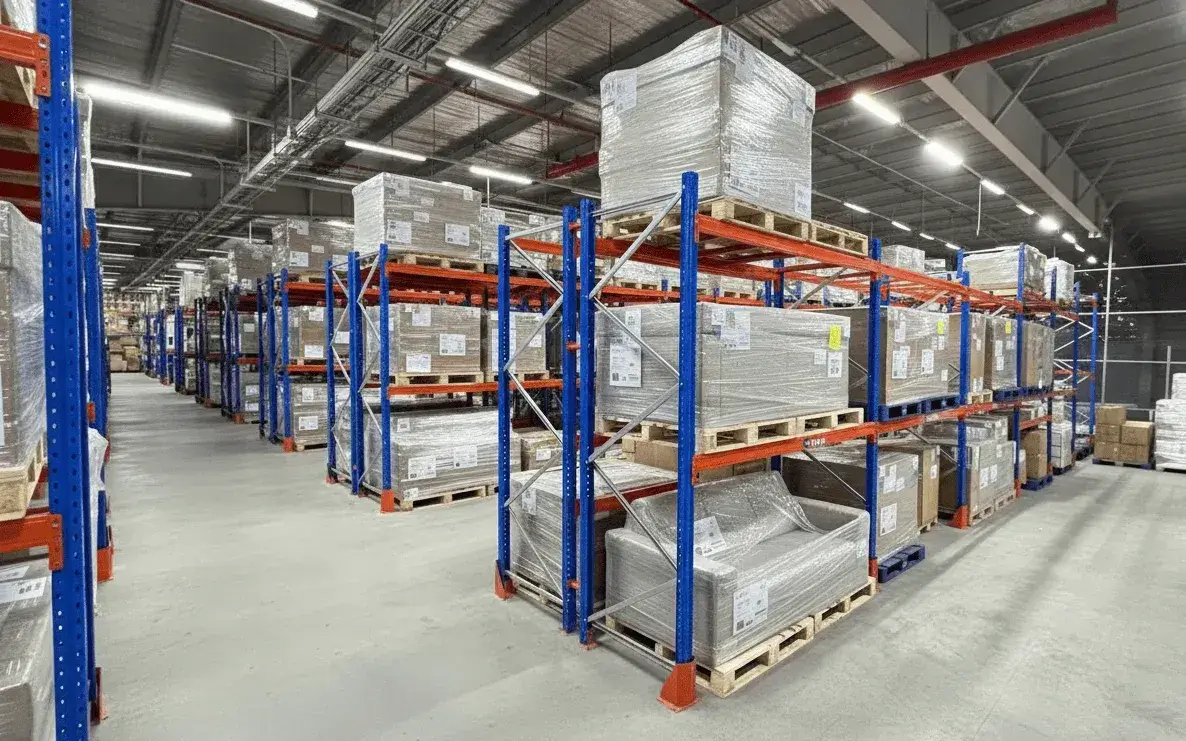
How To Calculate Pallet Positions To Rent And Plan A Peak Buffer 2027
The number of pallet positions to rent depends on five core inputs: carton dimensions, units per pallet, stackability, loose-pick demand and the peak-season buffer. A three-step formula and…
Read article

Article
First 30 Days In Ho Chi Minh City: An Arrival Checklist For Expats 2027
A moving-to-Vietnam checklist for your first 30 days in Ho Chi Minh City puts visa compliance, a local SIM, temporary residence registration, apartment hunting and banking in order, week by…
Read article

Article
Expat Gear Storage In Ho Chi Minh City: Surfboards And Diving Gear 2027
Expat gear storage in Ho Chi Minh City solves the problem of fitting bulky surfboards and scuba equipment into a compact apartment while protecting them from tropical humidity. A…
Read article
